ACAT-1 Rabbit Polyclonal Antibody
APRab06470-50μL · 50μL
Verified Partner
Sign in to see pricing and request a quote.
Brand Store Product
No external links. Get your quote directly here.

Description
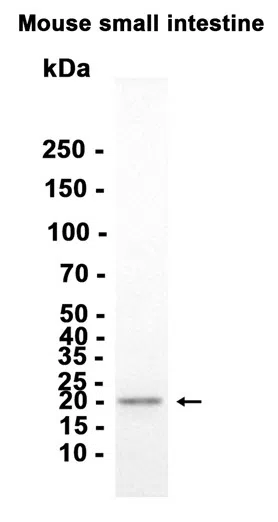
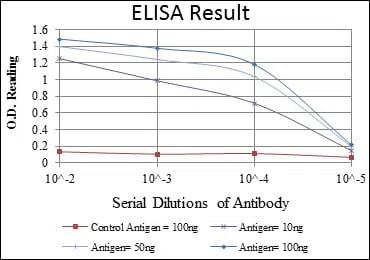
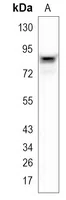
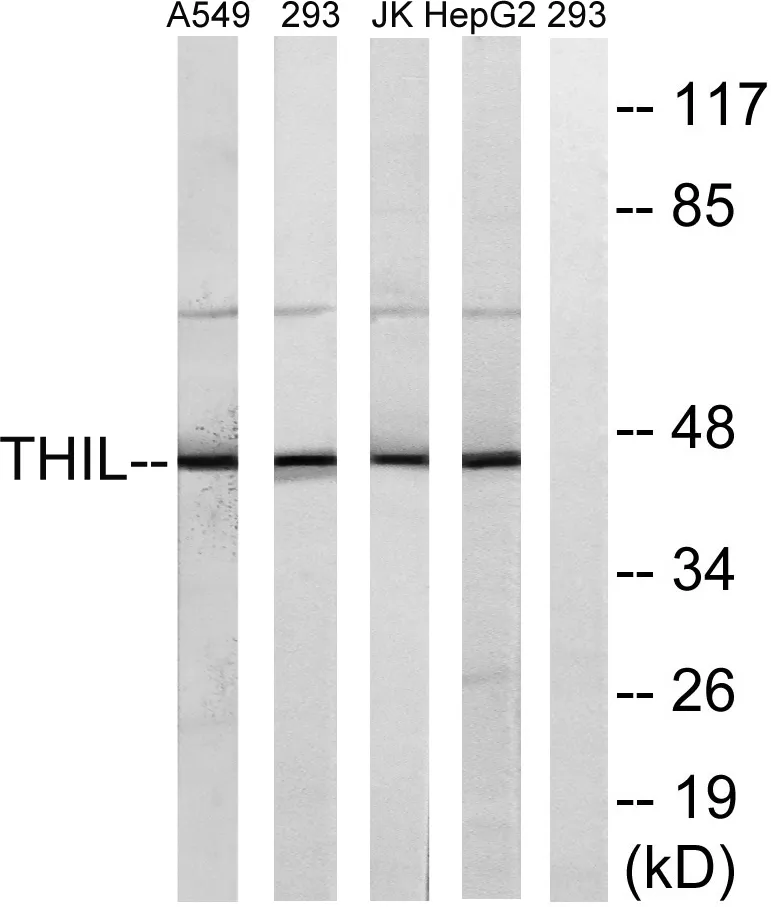
EnkiLife offers the ACAT-1 Rabbit Polyclonal Antibody. This antibody reacts with Human,Mouse,Rat species and is suitable for WB,IHC,ICC/IF,ELISA application. Alternative Names of Immunogen: ACAT1; ACAT; MAT; Acetyl-CoA acetyltransferase; mitochondrial; Acetoacetyl-CoA thiolase; T2. The product boasts remarkable high specificity, outstanding reproducibility, and exceptional affinity, making it a reliable and superior choice for your needs. Dilution Ratio: WB 1:500-1:2000,IHC 1:100-1:300,ICC/IF 1:50-1:200,ELISA 1:20000-1:40000 Background: This gene encodes a mitochondrially localized enzyme that catalyzes the reversible formation of acetoacetyl-CoA from two molecules of acetyl-CoA. Defects in this gene are associated with 3-ketothiolase deficiency, an inborn error of isoleucine catabolism characterized by urinary excretion of 2-methyl-3-hydroxybutyric acid, 2-methylacetoacetic acid, tiglylglycine, and butanone. [provided by RefSeq, Feb 2009],catalytic activity:2 acetyl-CoA = CoA + acetoacetyl-CoA.,disease:Defects in ACAT1 are a cause of 3-ketothiolase deficiency (3KTD) [MIM:203750]; also known as alpha-methylacetoaceticaciduria. 3KTD is an inborn error of isoleucine catabolism characterized by intermittent ketoacidotic attacks associated with unconsciousness. Some patients die during an attack or are mentally retarded. Urinary excretion of 2-methyl-3-hydroxybutyric acid, 2-methylacetoacetic acid, triglylglycine, butanone is increased. It seems likely that the severity of this disease correlates better with the environmental or acquired factors than with the ACAT1 genotype.,enzyme regulation:Activated by potassium ions, but not sodium ions.,function:Plays a major role in ketone body metabolism.,similarity:Belongs to the thiolase family.,subunit:Homotetramer., Research Area: Fatty acid metabolism;Synthesis and degradation of ketone bodies;Valine; leucine and isoleucine degradation;Lysine degradation;Tryptophan metabolism;Pyruvate metabolism;Propanoate metabolism;Butanoate metabolism;Terpenoid backbone biosynthesis;
More from EnkiLife