Acetyl-EF-1 α1/2 (Lys41) Rabbit Polyclonal Antibody
APRab06187-20μL · 20μL
Verified Partner
Sign in to see pricing and request a quote.
Brand Store Product
No external links. Get your quote directly here.

Description
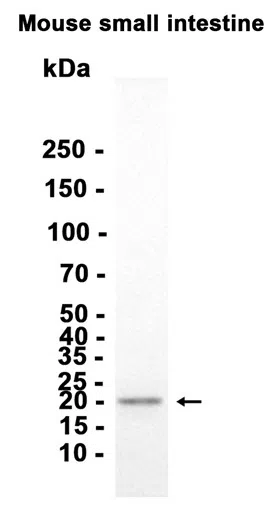
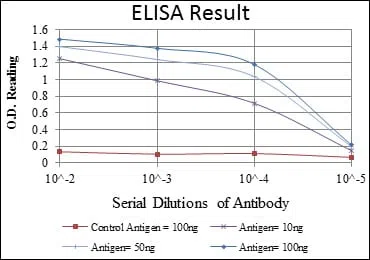
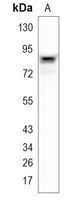
EnkiLife offers the Acetyl-EF-1 α1/2 (Lys41) Rabbit Polyclonal Antibody. This antibody reacts with Human,Mouse,Rat species and is suitable for WB,ELISA application. Alternative Names of Immunogen: EEF1A1; EEF1A; EF1A; LENG7; Elongation factor 1-alpha 1; EF-1-alpha-1; Elongation factor Tu; EF-Tu; Eukaryotic elongation factor 1 A-1; eEF1A-1; Leukocyte receptor cluster member 7; EEF1A2; EEF1AL; STN; Elongation factor 1-alpha 2; EF-1-alpha-2;Eukaryotic elongation factor 1 A-2; eEF1A-2; Statin-S1; EEF1A1P5; EEF1AL3; Putative elongation factor 1-alpha-like 3; EF-1-alpha-like 3; Eukaryotic elongation factor 1 A-like 3; eEF1A-like 3; Eukaryotic translation elongation factor 1 alpha-1 pseudogene 5. The product boasts remarkable high specificity, outstanding reproducibility, and exceptional affinity, making it a reliable and superior choice for your needs. Dilution Ratio: WB 1:500-1:2000,ELISA 1:10000-1:20000 Background: This gene encodes an isoform of the alpha subunit of the elongation factor-1 complex, which is responsible for the enzymatic delivery of aminoacyl tRNAs to the ribosome. This isoform (alpha 1) is expressed in brain, placenta, lung, liver, kidney, and pancreas, and the other isoform (alpha 2) is expressed in brain, heart and skeletal muscle. This isoform is identified as an autoantigen in 66% of patients with Felty syndrome. This gene has been found to have multiple copies on many chromosomes, some of which, if not all, represent different pseudogenes. [provided by RefSeq, Jul 2008],caution:Could be the product of a pseudogene.,function:This protein promotes the GTP-dependent binding of aminoacyl-tRNA to the A-site of ribosomes during protein biosynthesis.,similarity:Belongs to the GTP-binding elongation factor family. EF-Tu/EF-1A subfamily.,subunit:Found in a nuclear export complex with XPO5, EEF1A1, Ran and aminoacylated tRNA. Interacts with XPO5. May interact with ERGIC2.,tissue specificity:Brain, placenta, lung, liver, kidney, pancreas but barely detectable in heart and skeletal muscle.,
More from EnkiLife