AIF-M1 Rabbit Polyclonal Antibody
APRab06701-20μL · 20μL
Verified Partner
Sign in to see pricing and request a quote.
Brand Store Product
No external links. Get your quote directly here.

Description
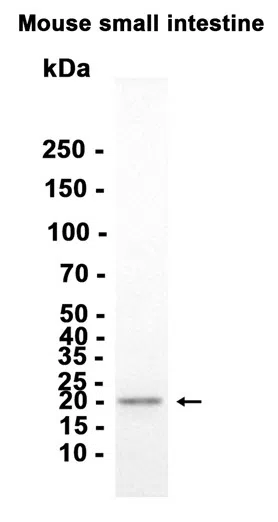
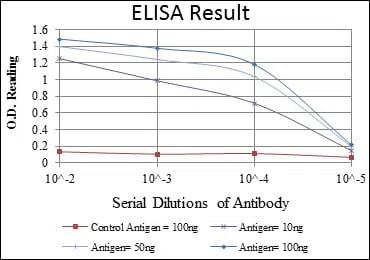
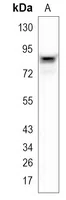
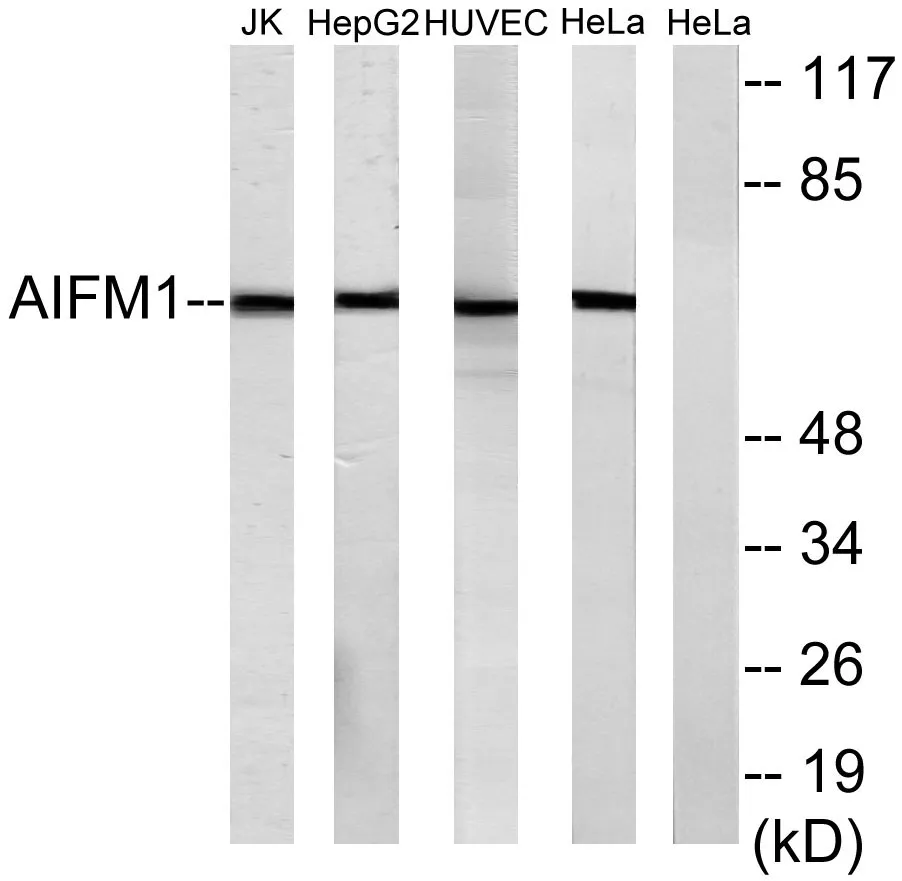
EnkiLife offers the AIF-M1 Rabbit Polyclonal Antibody. This antibody reacts with Human,Mouse,Rat species and is suitable for WB,IHC,ICC/IF,ELISA application. Alternative Names of Immunogen: AIFM1; AIF; PDCD8; Apoptosis-inducing factor 1; mitochondrial; Programmed cell death protein 8. The product boasts remarkable high specificity, outstanding reproducibility, and exceptional affinity, making it a reliable and superior choice for your needs. Dilution Ratio: WB 1:500-1:2000,IHC 1:100-1:300,ICC/IF 1:200-1:1000,ELISA 1:5000-1:10000 Background: This gene encodes a flavoprotein essential for nuclear disassembly in apoptotic cells, and it is found in the mitochondrial intermembrane space in healthy cells. Induction of apoptosis results in the translocation of this protein to the nucleus where it affects chromosome condensation and fragmentation. In addition, this gene product induces mitochondria to release the apoptogenic proteins cytochrome c and caspase-9. Mutations in this gene cause combined oxidative phosphorylation deficiency 6 (COXPD6), a severe mitochondrial encephalomyopathy, as well as Cowchock syndrome, also known as X-linked recessive Charcot-Marie-Tooth disease-4 (CMTX-4), a disorder resulting in neuropathy, and axonal and motor-sensory defects with deafness and mental retardation. Alternative splicing results in multiple transcript variants. A related pseudogene has been identified on chromosomecatalytic activity:2 glutathione + protein-disulfide = glutathione disulfide + protein-dithiol.,cofactor:FAD.,function:Possesses significant protein thiol-disulfide oxidase activity.,function:Probable oxidoreductase that acts as a caspase-independent mitochondrial effector of apoptotic cell death. Extramitochondrial AIF induces nuclear chromatin condensation and large scale DNA fragmentation (in vitro). Binds to DNA in a sequence-independent manner.,similarity:Belongs to the FAD-dependent oxidoreductase family.,similarity:Contains 1 thioredoxin domain.,subcellular location:Translocated to the nucleus upon induction of apoptosis.,subunit:Interacts with XIAP.,tissue specificity:Widely expressed., Research Area: Apoptosis_Inhibition;Apoptosis_Mitochondrial;Apoptosis_Overview;
More from EnkiLife