Atg4A Rabbit Polyclonal Antibody
APRab07290-100μL · 100μL
Verified Partner
Sign in to see pricing and request a quote.
Brand Store Product
No external links. Get your quote directly here.

Description
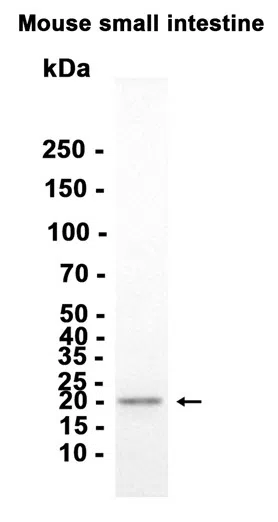
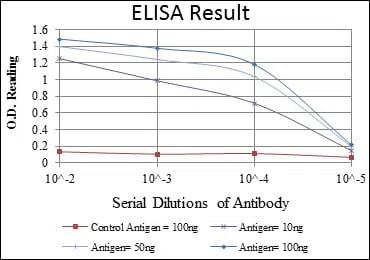
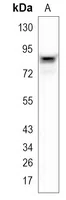
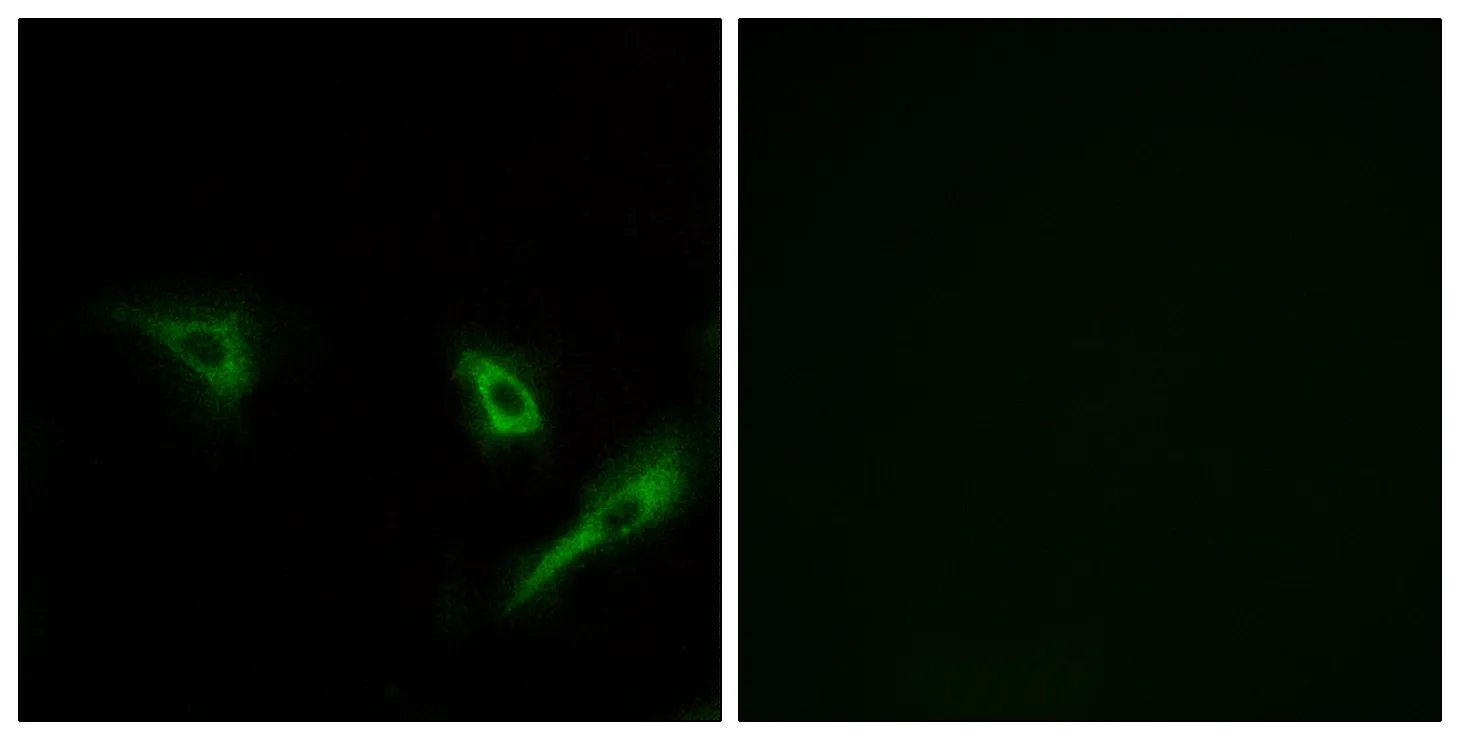
EnkiLife offers the Atg4A Rabbit Polyclonal Antibody. This antibody reacts with Human,Mouse species and is suitable for WB,IHC,ICC/IF,ELISA application. Alternative Names of Immunogen: ATG4A; APG4A; AUTL2; Cysteine protease ATG4A; AUT-like 2 cysteine endopeptidase; Autophagin-2; Autophagy-related cysteine endopeptidase 2; Autophagy-related protein 4 homolog A; hAPG4A. The product boasts remarkable high specificity, outstanding reproducibility, and exceptional affinity, making it a reliable and superior choice for your needs. Dilution Ratio: WB 1:500-1:2000,IHC 1:100-1:300,ICC/IF 1:200-1:1000,ELISA 1:10000-1:20000 Background: Autophagy is the process by which endogenous proteins and damaged organelles are destroyed intracellularly. Autophagy is postulated to be essential for cell homeostasis and cell remodeling during differentiation, metamorphosis, non-apoptotic cell death, and aging. Reduced levels of autophagy have been described in some malignant tumors, and a role for autophagy in controlling the unregulated cell growth linked to cancer has been proposed. This gene encodes a member of the autophagin protein family. The encoded protein is also designated as a member of the C-54 family of cysteine proteases. [provided by RefSeq, Mar 2016],enzyme regulation:Inhibited by N-ethylmaleimide.,function:Cysteine protease required for autophagy, which cleaves the C-terminal part of either MAP1LC3, GABARAPL2 or GABARAP, allowing the liberation of form I. A subpopulation of form I is subsequently converted to a smaller form (form II). Form II, with a revealed C-terminal glycine, is considered to be the phosphatidylethanolamine (PE)-conjugated form, and has the capacity for the binding to autophagosomes. Preferred substrate is GABARAPL2 followed by MAP1LC3A and GABARAP.,similarity:Belongs to the peptidase C54 family.,tissue specificity:Widely expressed, at a low level, and the highest expression is observed in skeletal muscle and brain. Also detected in fetal liver., Research Area: Regulation of autophagy;
More from EnkiLife