ATG4A Rabbit Polyclonal Antibody
APRab07291-50μL · 50μL
Verified Partner
Sign in to see pricing and request a quote.
Brand Store Product
No external links. Get your quote directly here.

Description
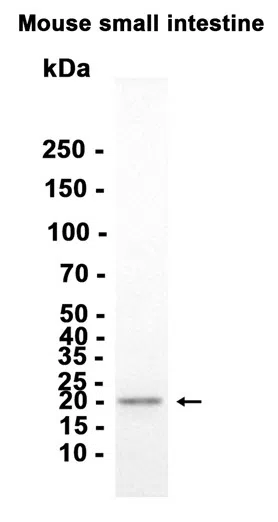
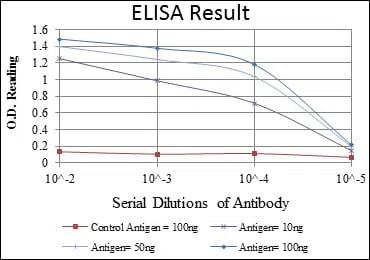
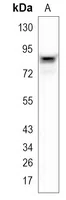
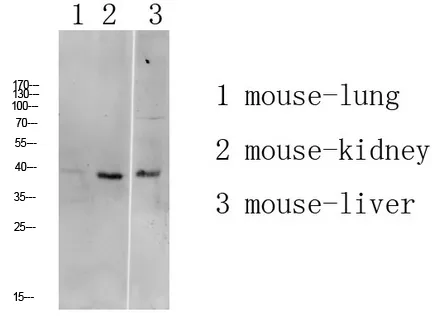
EnkiLife offers the ATG4A Rabbit Polyclonal Antibody. This antibody reacts with Human,Mouse,Rat species and is suitable for WB,ELISA application. Alternative Names of Immunogen: Cysteine protease ATG4A (EC 3.4.22.-) (AUT-like 2 cysteine endopeptidase) (Autophagin-2) (Autophagy-related cysteine endopeptidase 2) (Autophagy-related protein 4 homolog A) (hAPG4A). The product boasts remarkable high specificity, outstanding reproducibility, and exceptional affinity, making it a reliable and superior choice for your needs. Dilution Ratio: WB 1:500-1:2000,ELISA 1:10000-1:20000 Background: Autophagy is the process by which endogenous proteins and damaged organelles are destroyed intracellularly. Autophagy is postulated to be essential for cell homeostasis and cell remodeling during differentiation, metamorphosis, non-apoptotic cell death, and aging. Reduced levels of autophagy have been described in some malignant tumors, and a role for autophagy in controlling the unregulated cell growth linked to cancer has been proposed. This gene encodes a member of the autophagin protein family. The encoded protein is also designated as a member of the C-54 family of cysteine proteases. [provided by RefSeq, Mar 2016],enzyme regulation:Inhibited by N-ethylmaleimide.,function:Cysteine protease required for autophagy, which cleaves the C-terminal part of either MAP1LC3, GABARAPL2 or GABARAP, allowing the liberation of form I. A subpopulation of form I is subsequently converted to a smaller form (form II). Form II, with a revealed C-terminal glycine, is considered to be the phosphatidylethanolamine (PE)-conjugated form, and has the capacity for the binding to autophagosomes. Preferred substrate is GABARAPL2 followed by MAP1LC3A and GABARAP.,similarity:Belongs to the peptidase C54 family.,tissue specificity:Widely expressed, at a low level, and the highest expression is observed in skeletal muscle and brain. Also detected in fetal liver., Research Area: Regulation of autophagy;
More from EnkiLife