CARP Rabbit Polyclonal Antibody
APRab07933-20μL · 20μL
Verified Partner
Sign in to see pricing and request a quote.
Brand Store Product
No external links. Get your quote directly here.

Description
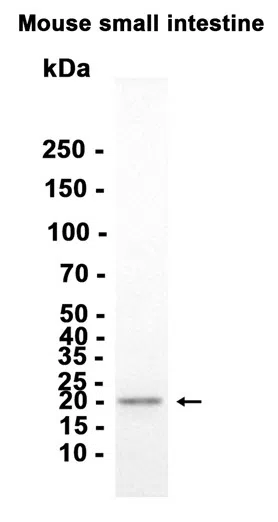
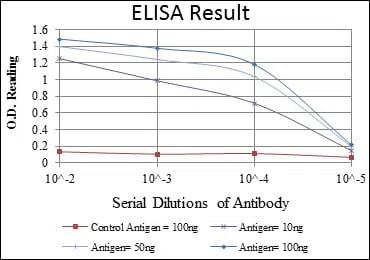
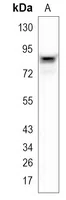
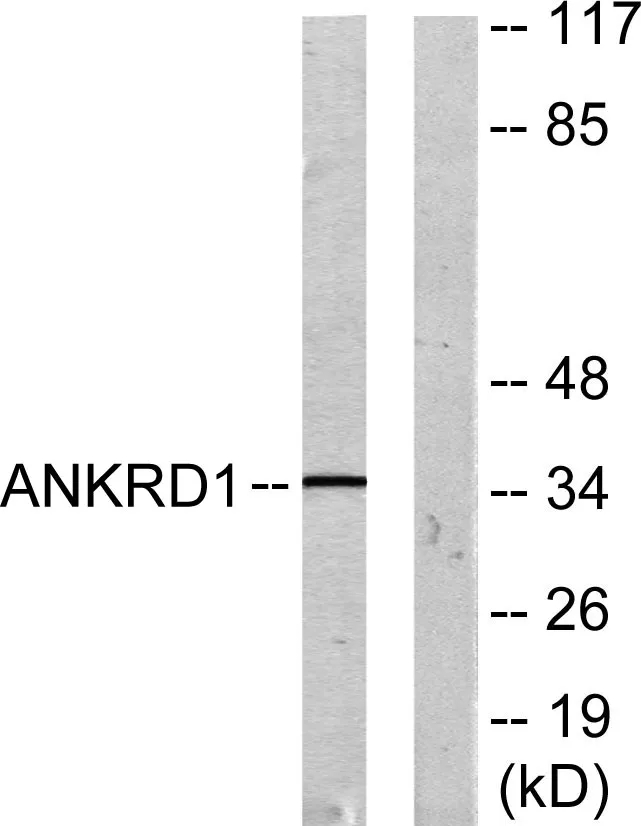
EnkiLife offers the CARP Rabbit Polyclonal Antibody. This antibody reacts with Human,Mouse,Rat species and is suitable for WB,IHC,ICC/IF,ELISA application. Alternative Names of Immunogen: ANKRD1; C193; CARP; HA1A2; Ankyrin repeat domain-containing protein 1; Cardiac ankyrin repeat protein; Cytokine-inducible gene C-193 protein; Cytokine-inducible nuclear protein. The product boasts remarkable high specificity, outstanding reproducibility, and exceptional affinity, making it a reliable and superior choice for your needs. Dilution Ratio: WB 1:500-1:2000,IHC 1:100-1:300,ICC/IF 1:50-1:200,ELISA 1:10000-1:20000 Background: ankyrin repeat domain 1(ANKRD1) Homo sapiens The protein encoded by this gene is localized to the nucleus of endothelial cells and is induced by IL-1 and TNF-alpha stimulation. Studies in rat cardiomyocytes suggest that this gene functions as a transcription factor. Interactions between this protein and the sarcomeric proteins myopalladin and titin suggest that it may also be involved in the myofibrillar stretch-sensor system. [provided by RefSeq, Jul 2008],disease:Defects in ANKRD1 may be a cause of total anomalous pulmonary venous return (TAPVR) [MIM:106700]. TAPVR is a rare congenital heart disease (CHD) in which the pulmonary veins fail to connect to the left atrium during cardiac development, draining instead into either the right atrium or one of its venous tributaries. This disease accounts for 1.5% of all CHDs and has a prevalence of approximately 1 out of 15'000 live births.,function:May play an important role in endothelial cell activation. May act as a nuclear transcription factor that negatively regulates the expression of cardiac genes. Induction seems to be correlated with apoptotic cell death in hepatoma cells.,induction:By TNF, IL1A and parthenolide.,miscellaneous:A chromosomal aberration in the region of ANKRD1 may be a cause of total anomalous pulmonary venous return (TAPVR) [MIM:106700]. Translocation t(10;21)(q23.31;q11.2). The translocation apparently alteres the expression pattern of nearby genes on chromosome 10 by means of a positional effect, and among the genes whose expression pattern is changed due to this chromosomal rearrangement, the ANKRD1 stood out as a plausible candidate gene for TAPVR pathogenesis. This rearrangement apparently does not disrupts any known genes.,similarity:Contains 5 ANK repeats.,subunit:Interacts with YBX1 (By similarity). Interacts with TTN/titin.,tissue specificity:Mainly expressed in activated vascular endothelial cells. To a lower extent, also expressed in hepatoma cells.,
More from EnkiLife