Phospho-Caveolin-2 (Tyr27) Rabbit Polyclonal Antibody
APRab04390-20μL · 20μL
Verified Partner
Sign in to see pricing and request a quote.
Brand Store Product
No external links. Get your quote directly here.

Description
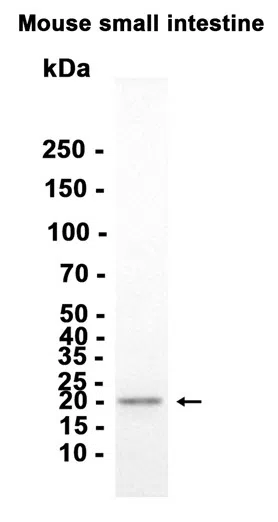
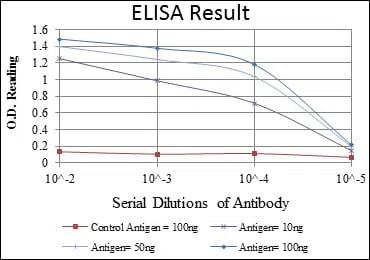
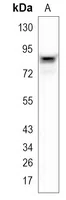
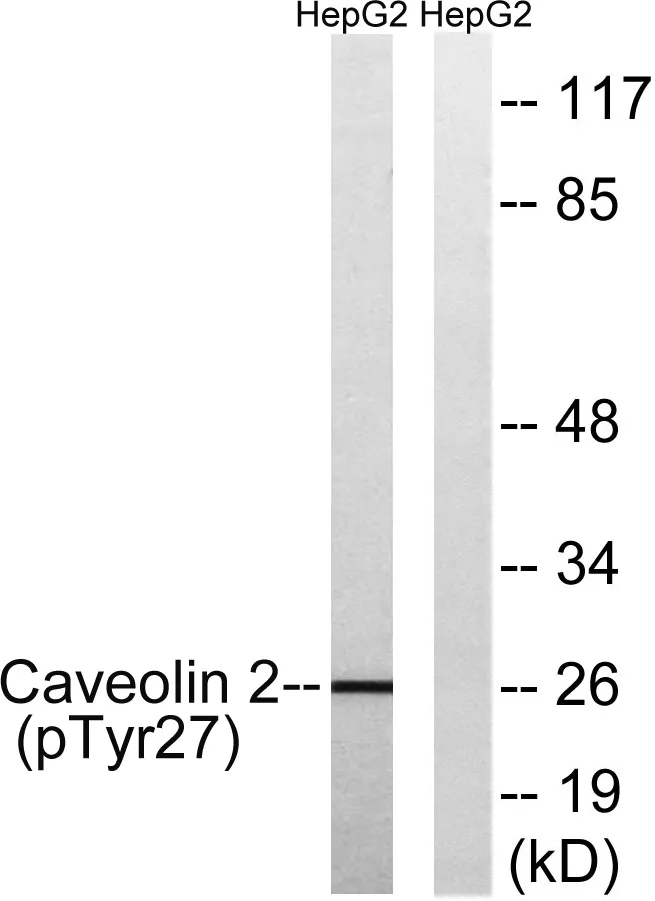
EnkiLife offers the Phospho-Caveolin-2 (Tyr27) Rabbit Polyclonal Antibody. This antibody reacts with Human,Rat,Mouse species and is suitable for WB,ELISA application. Alternative Names of Immunogen: CAV2; Caveolin-2. The product boasts remarkable high specificity, outstanding reproducibility, and exceptional affinity, making it a reliable and superior choice for your needs. Dilution Ratio: WB 1:500-1:2000,ELISA 1:5000-1:20000 Background: The protein encoded by this gene is a major component of the inner surface of caveolae, small invaginations of the plasma membrane, and is involved in essential cellular functions, including signal transduction, lipid metabolism, cellular growth control and apoptosis. This protein may function as a tumor suppressor. This gene and related family member (CAV1) are located next to each other on chromosome 7, and express colocalizing proteins that form a stable hetero-oligomeric complex. Alternatively spliced transcript variants encoding different isoforms have been identified for this gene. Additional isoforms resulting from the use of alternate in-frame translation initiation codons have also been described, and shown to have preferential localization in the cell (PMID:11238462). [provided by RefSeq, May 2011],function:May act as a scaffolding protein within caveolar membranes. Interacts directly with G-protein alpha subunits and can functionally regulate their activity.,function:May act as a scaffolding protein within caveolar membranes. Interacts directly with G-protein alpha subunits and can functionally regulate their activity. Caveolin-2 may function as an accessory protein in conjunction with caveolin-1.,online information:Caveolin entry,similarity:Belongs to the caveolin family.,subcellular location:Potential hairpin-like structure in the membrane. Membrane protein of caveolae.,subunit:Homodimer. Caveolin-1 and -2 colocalize and form a stable hetero-oligomeric complex.,tissue specificity:Expressed in endothelial cells, smooth muscle cells, skeletal myoblasts and fibroblasts., Research Area: Focal adhesion;
More from EnkiLife