CB2 Rabbit Polyclonal Antibody
APRab08033-20μL · 20μL
Verified Partner
Sign in to see pricing and request a quote.
Brand Store Product
No external links. Get your quote directly here.

Description
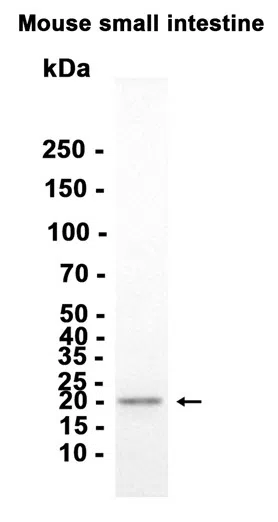
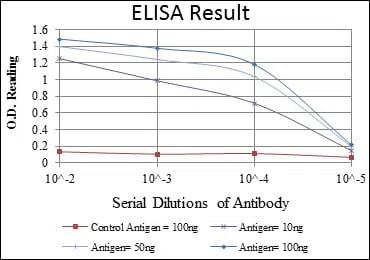
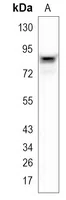
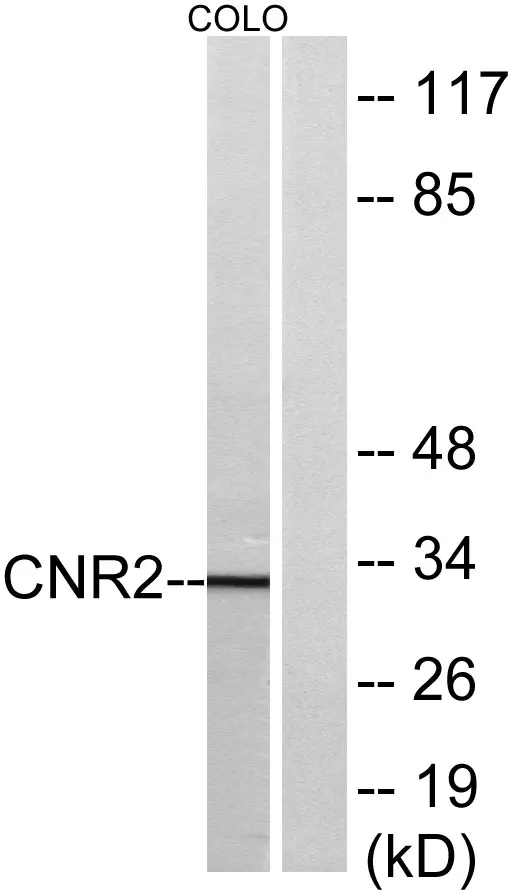
EnkiLife offers the CB2 Rabbit Polyclonal Antibody. This antibody reacts with Human,Rat,Mouse species and is suitable for WB,ICC/IF,ELISA application. Alternative Names of Immunogen: CNR2; Cannabinoid receptor 2; CB-2; CB2; hCB2; CX5. The product boasts remarkable high specificity, outstanding reproducibility, and exceptional affinity, making it a reliable and superior choice for your needs. Dilution Ratio: WB 1:500-1:2000,ICC/IF 1:200-1:1000,ELISA 1:5000-1:10000 Background: The cannabinoid delta-9-tetrahydrocannabinol is the principal psychoactive ingredient of marijuana. The proteins encoded by this gene and the cannabinoid receptor 1 (brain) (CNR1) gene have the characteristics of a guanine nucleotide-binding protein (G-protein)-coupled receptor for cannabinoids. They inhibit adenylate cyclase activity in a dose-dependent, stereoselective, and pertussis toxin-sensitive manner. These proteins have been found to be involved in the cannabinoid-induced CNS effects (including alterations in mood and cognition) experienced by users of marijuana. The cannabinoid receptors are members of family 1 of the G-protein-coupled receptors. [provided by RefSeq, Jul 2008],disease:Allelic variation at the CB2 locus is associated to genetic predisposition for depression in Japanese populations.,function:Heterotrimeric G protein-coupled receptor for endocannabinoid 2-arachidonoylglycerol mediating inhibition of adenylate cyclase. May function in inflammatory response, nociceptive transmission and bone homeostasis.,PTM:Constitutively phosphorylated on Ser-352; phosphorylation increases cell internalization and desensitizes the receptor.,similarity:Belongs to the G-protein coupled receptor 1 family.,subcellular location:Localizes to apical dendrite of pyramidal neurons.,tissue specificity:Preferentially expressed in cells of the immune system with higher expression in B cells and NK cells (at protein level). Expressed in skin in suprabasal layers and hair follicles (at protein level). Highly expressed in tonsil and to a lower extent in spleen, peripheral blood mononuclear cells, and thymus. PubMed:14657172 could not detect expression in normal brain. Expressed in brain by perivascular microglial cells and dorsal root glanglion sensory neurons (at protein level)., Research Area: Neuroactive ligand-receptor interaction;
More from EnkiLife