CD292 Rabbit Polyclonal Antibody
APRab08326-20μL · 20μL
Verified Partner
Sign in to see pricing and request a quote.
Brand Store Product
No external links. Get your quote directly here.

Description
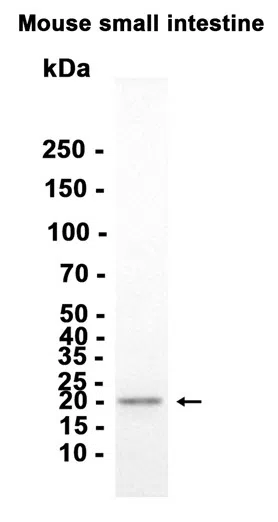
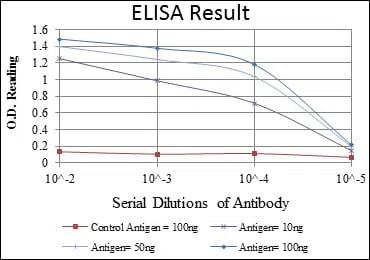
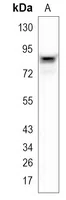
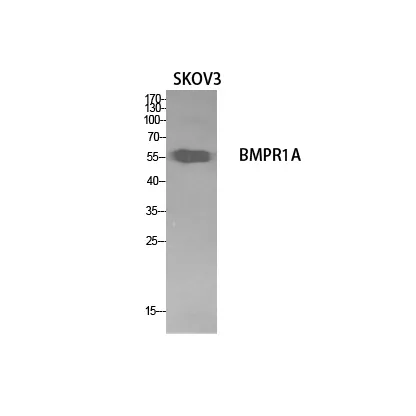
EnkiLife offers the CD292 Rabbit Polyclonal Antibody. This antibody reacts with Human,Rat,Mouse species and is suitable for WB,ELISA application. Alternative Names of Immunogen: BMPR1A; ACVRLK3; ALK3; Bone morphogenetic protein receptor type-1A; BMP type-1A receptor; BMPR-1A; Activin receptor-like kinase 3; ALK-3; Serine/threonine-protein kinase receptor R5; SKR5; CD292. The product boasts remarkable high specificity, outstanding reproducibility, and exceptional affinity, making it a reliable and superior choice for your needs. Dilution Ratio: WB 1:500-1:2000,ELISA 1:10000-1:20000 Background: The bone morphogenetic protein (BMP) receptors are a family of transmembrane serine/threonine kinases that include the type I receptors BMPR1A and BMPR1B and the type II receptor BMPR2. These receptors are also closely related to the activin receptors, ACVR1 and ACVR2. The ligands of these receptors are members of the TGF-beta superfamily. TGF-betas and activins transduce their signals through the formation of heteromeric complexes with 2 different types of serine (threonine) kinase receptors: type I receptors of about 50-55 kD and type II receptors of about 70-80 kD. Type II receptors bind ligands in the absence of type I receptors, but they require their respective type I receptors for signaling, whereas type I receptors require their respective type II receptors for ligand binding. [provided by RefSeq, Jul 2008],catalytic activity:ATP + [receptor-protein] = ADP + [receptor-protein] phosphate.,cofactor:Magnesium or manganese.,disease:A microdeletion of chromosome 10q23 involving BMPR1A and PTEN is a cause of chromosome 10q23 deletion syndrome [MIM:612242]. This syndrome shows overlapping features of the following three disorders: Bannayan-Zonana syndrome, Cowden disease and juvenile polyposis syndrome. The 10q23 microdeletion is also found in patients manifesting juvenile polyposis of infancy without cognitive disability. Juvenile polyposis of infancy is characterized by the appearance of extensive gastrointestinal juvenile hamartomatous polyposis in the first months of life.,disease:Defects in BMPR1A are a cause of Cowden disease (CD) [MIM:158350]. CD is an autosomal dominant cancer syndrome characterized by multiple hamartomas and by a high risk for breast, thyroid and endometrial cancers.,disease:Defects in BMPR1A are a cause of juvenile polyposis syndrome (JPS) [MIM:174900]; also known as juvenile intestinal polyposis (JIP). JPS is an autosomal dominant gastrointestinal hamartomatous polyposis syndrome in which patients are at risk for developing gastrointestinal cancers. The lesions are typified by a smooth histological appearance, predominant stroma, cystic spaces and lack of a smooth muscle core. Multiple juvenile polyps usually occur in a number of Mendelian disorders. Sometimes, these polyps occur without associated features as in JPS; here, polyps tend to occur in the large bowel and are associated with an increased risk of colon and other gastrointestinal cancers.,disease:Defects in BMPR1A are the cause of hereditary mixed polyposis syndrome 2 (HMPS2) [MIM:610069]. Hereditary mixed polyposis syndrome (HMPS) is characterized by atypical juvenile polyps, colonic adenomas, and colorectal carcinomas.,function:On ligand binding, forms a receptor complex consisting of two type II and two type I transmembrane serine/threonine kinases. Type II receptors phosphorylate and activate type I receptors which autophosphorylate, then bind and activate SMAD transcriptional regulators. Receptor for BMP-2 and BMP-4.,similarity:Belongs to the protein kinase superfamily. TKL Ser/Thr protein kinase family. TGFB receptor subfamily.,similarity:Contains 1 GS domain.,similarity:Contains 1 protein kinase domain.,tissue specificity:Highly expressed in skeletal muscle., Research Area: Cytokine-cytokine receptor interaction;TGF-beta;
More from EnkiLife