CERKL Rabbit Polyclonal Antibody
APRab08684-50μL · 50μL
Verified Partner
Sign in to see pricing and request a quote.
Brand Store Product
No external links. Get your quote directly here.

Description
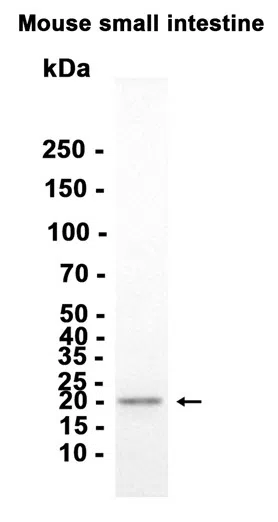
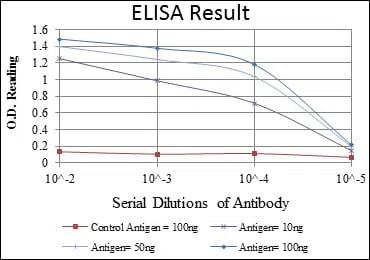
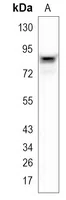
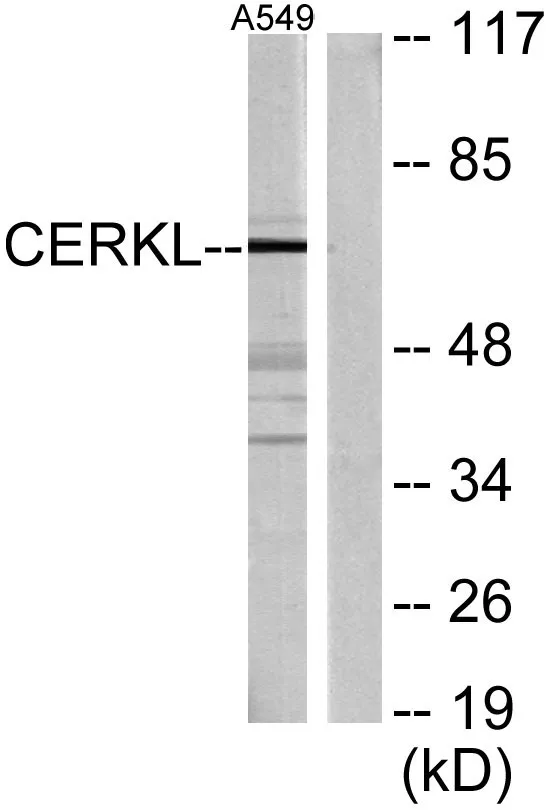
EnkiLife offers the CERKL Rabbit Polyclonal Antibody. This antibody reacts with Human,Rat,Mouse species and is suitable for WB,IHC,ICC/IF,ELISA application. Alternative Names of Immunogen: CERKL; Ceramide kinase-like protein. The product boasts remarkable high specificity, outstanding reproducibility, and exceptional affinity, making it a reliable and superior choice for your needs. Dilution Ratio: WB 1:500-1:2000,IHC 1:100-1:300,ICC/IF 1:50-1:200,ELISA 1:10000-1:20000 Background: This gene was initially identified as a locus (RP26) associated with an autosomal recessive form of retinitis pigmentosa (arRP) disease. This gene encodes a protein with ceramide kinase-like domains, however, the protein does not phosphorylate ceramide and its target substrate is currently unknown. This protein may be a negative regulator of apoptosis in photoreceptor cells. Mutations in this gene cause a form of retinitis pigmentosa characterized by autosomal recessive cone and rod dystrophy (arCRD). Alternative splicing of this gene results in multiple transcript variants encoding different isoforms and non-coding transcripts.[provided by RefSeq, May 2010],developmental stage:Expressed in fetal lung, kidney and brain.,disease:Defects in CERKL are the cause of retinitis pigmentosa type 26 (RP26) [MIM:608380]. RP leads to degeneration of retinal photoreceptor cells. Patients typically have night vision blindness and loss of midperipheral visual field. As their condition progresses, they lose their far peripheral visual field and eventually central vision as well. RP26 inheritance is autosomal recessive.,function:Has no detectable ceramide-kinase activity.,PTM:Phosphorylated on serine residues.,sequence caution:Wrong choice of CDS.,similarity:Contains 1 DAGKc domain.,subcellular location:Enriched in nucleoli. May shuttle between nucleus and cytoplasm. Isoform 5 is not enriched in the nucleoli.,tissue specificity:Moderately expressed in retina, kidney, lung, testis, trachea, and pancreas. Weakly expressed in brain, placenta and liver.,
More from EnkiLife