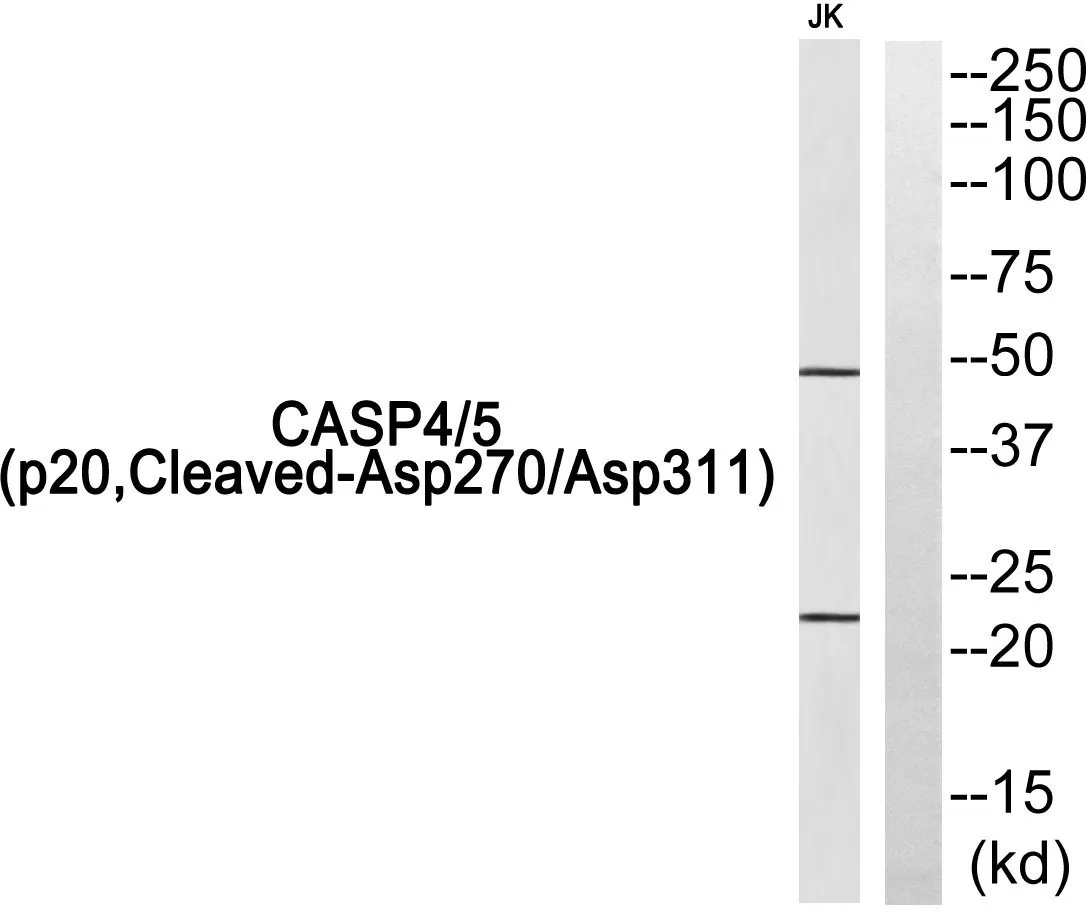
Cleaved-Caspase-4/5 p20 (D270/D311) Rabbit Polyclonal Antibody
APRab08960-20μL · 20μL
Verified Partner
Sign in to see pricing and request a quote.
Brand Store Product
No external links. Get your quote directly here.
Description
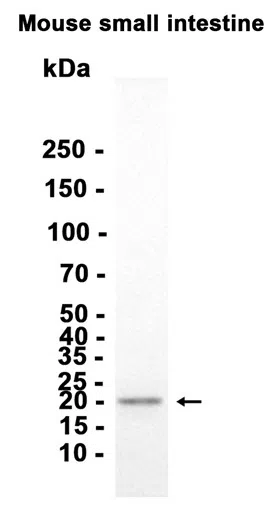
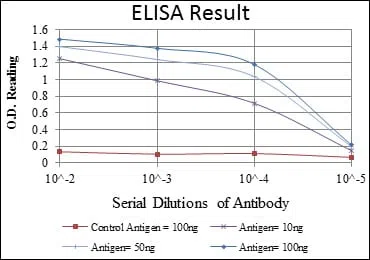
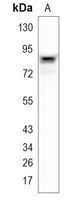
EnkiLife offers the Cleaved-Caspase-4/5 p20 (D270/D311) Rabbit Polyclonal Antibody. This antibody reacts with Human species and is suitable for WB,ELISA application. Alternative Names of Immunogen: CASP4; ICH2; Caspase-4; CASP-4; ICE(rel)-II; Protease ICH-2; Protease TX; CASP5; ICH3; Caspase-5; CASP-5; ICE(rel)-III; Protease ICH-3; Protease TY. The product boasts remarkable high specificity, outstanding reproducibility, and exceptional affinity, making it a reliable and superior choice for your needs. Dilution Ratio: WB 1:500-1:2000,ELISA 1:20000-1:40000 Background: This gene encodes a protein that is a member of the cysteine-aspartic acid protease (caspase) family. Sequential activation of caspases plays a central role in the execution-phase of cell apoptosis. Caspases exist as inactive proenzymes composed of a prodomain and a large and small protease subunit. Activation of caspases requires proteolytic processing at conserved internal aspartic residues to generate a heterodimeric enzyme consisting of the large and small subunits. This caspase is able to cleave and activate its own precursor protein, as well as caspase 1 precursor. When overexpressed, this gene induces cell apoptosis. Alternative splicing results in transcript variants encoding distinct isoforms. [provided by RefSeq, Jul 2008],catalytic activity:Strict requirement for Asp at the P1 position. It has a preferred cleavage sequence of Tyr-Val-Ala-Asp-|- but also cleaves at Asp-Glu-Val-Asp-|-.,function:Involved in the activation cascade of caspases responsible for apoptosis execution. Cleaves caspase-1.,PTM:The two subunits are derived from the precursor sequence by an autocatalytic mechanism or by cleavage by Caspase-8.,similarity:Belongs to the peptidase C14A family.,similarity:Contains 1 CARD domain.,subunit:Heterotetramer that consists of two anti-parallel arranged heterodimers, each one formed by a small and a large subunit.,tissue specificity:Widely expressed, with highest levels in spleen and lung. Moderate expression in heart and liver, low expression in skeletal muscle, kidney and testis. Not found in the brain.,
More from EnkiLife