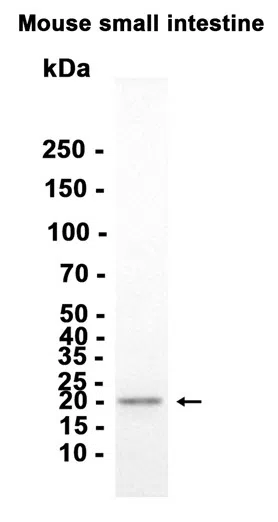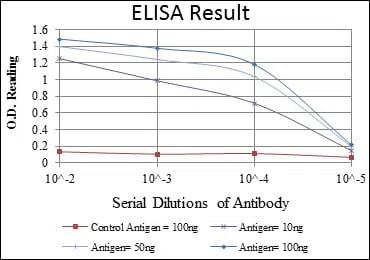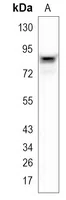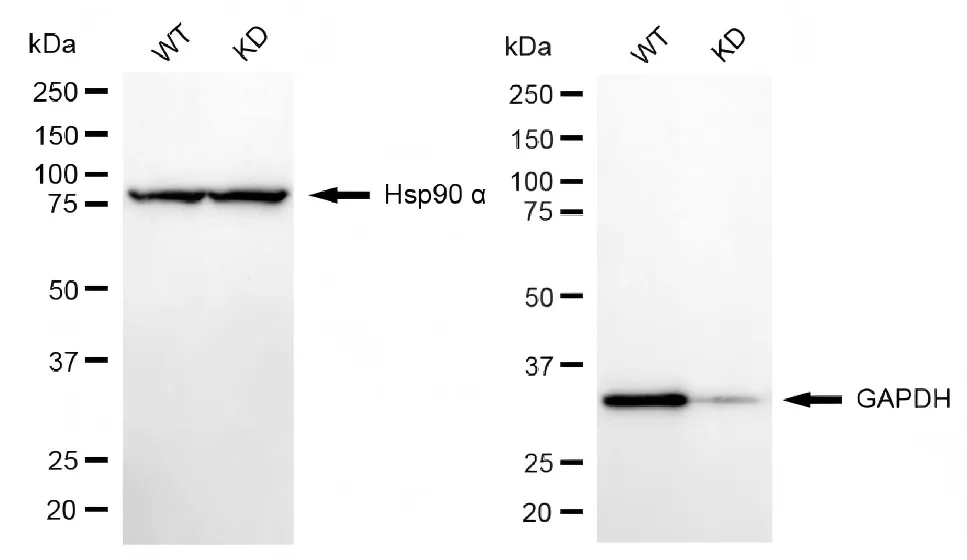
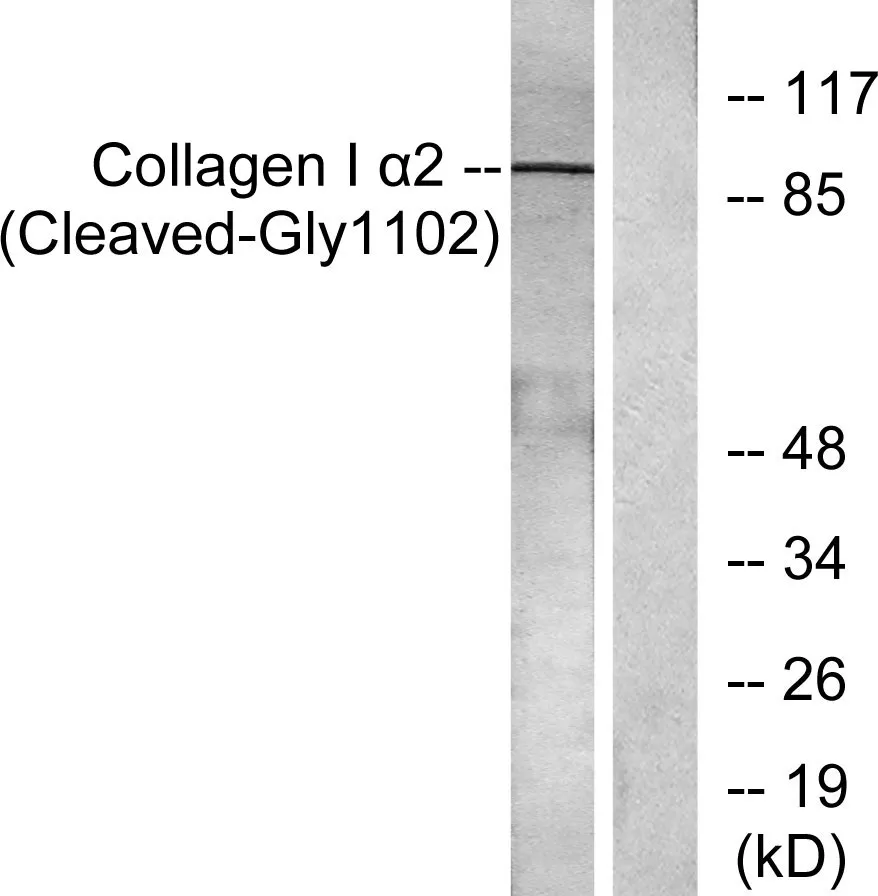
Cleaved-COL1A2 (G1102) Rabbit Polyclonal Antibody
APRab08982-100μL · 100μL
Verified Partner
Sign in to see pricing and request a quote.
Brand Store Product
No external links. Get your quote directly here.
Description
EnkiLife offers the Cleaved-COL1A2 (G1102) Rabbit Polyclonal Antibody. This antibody reacts with Human,Rat,Mouse species and is suitable for WB,ELISA application. Alternative Names of Immunogen: COL1A2; Collagen alpha-2(I) chain; Alpha-2 type I collagen. The product boasts remarkable high specificity, outstanding reproducibility, and exceptional affinity, making it a reliable and superior choice for your needs. Dilution Ratio: WB 1:500-1:2000,ELISA 1:5000-1:20000 Background: This gene encodes the pro-alpha2 chain of type I collagen whose triple helix comprises two alpha1 chains and one alpha2 chain. Type I is a fibril-forming collagen found in most connective tissues and is abundant in bone, cornea, dermis and tendon. Mutations in this gene are associated with osteogenesis imperfecta types I-IV, Ehlers-Danlos syndrome type VIIB, recessive Ehlers-Danlos syndrome Classical type, idiopathic osteoporosis, and atypical Marfan syndrome. Symptoms associated with mutations in this gene, however, tend to be less severe than mutations in the gene for the alpha1 chain of type I collagen (COL1A1) reflecting the different role of alpha2 chains in matrix integrity. Three transcripts, resulting from the use of alternate polyadenylation signals, have been identified for this gene. [provided by R. Dalgleish, Feb 2008],disease:A chromosomal rearrangement involving COL1A2 may be a cause of lipoblastomas, which are benign tumors resulting from transformation of adipocytes, usually diagnosed in children. Translocation t(7;8)(p22;q13) with PLAG1.,disease:Defects in COL1A2 are a cause of osteogenesis imperfecta type I (OI-I) [MIM:166200]. OI-I is a dominantly inherited serious newborn disease characterized by bone fragility, normal stature, little or no deformity, blue sclerae and hearing loss in 50% of families. Dentinogenesis imperfecta is rare and may distinguish a subset of OI type I (formation of dentine).,disease:Defects in COL1A2 are a cause of osteogenesis imperfecta type II (OI-II) [MIM:166210]; also known as osteogenesis imperfecta congenita (OIC) or lethal perinatal. OI-II is a serious newborn disease that diffusely affects bone. Infants are born with multiple fractures, which lead to shortening of the extremities. The skull is soft, and resembles a "bag of bones" when palpated, the sclera are abnormally thin and may appear blue, and some infants also have a hearing loss. Infants born alive often die suddenly during the first few days or weeks of life, but a few survive as deformed dwarfs. Mental development is normal unless head trauma with CNS injury occurs. There is no effective treatment.,disease:Defects in COL1A2 are a cause of osteogenesis imperfecta type III (OI-III) [MIM:259420]. OI-III usually presents with moderate deformity at birth, progressively deforming bones, and sclerae variable in color. Dentinogenesis imperfecta and hearing loss are common. Stature is very short.,disease:Defects in COL1A2 are a cause of osteogenesis imperfecta type IV (OI-IV) [MIM:166220]; also known as osteogenesis imperfecta with normal sclerae. OI-IV presents with moderate to mild deformity and variable short stature. Dentinogenesis imperfecta is common and hearing loss occurs in some.,disease:Defects in COL1A2 are the cause of cardiac valvular form of autosomal recessive Ehlers-Danlos syndrome (cardiac valvular EDS) [MIM:225320]; also known as arthrochalasis type Ehlers-Danlos syndrome. In addition to joint laxity, skin hyperextensibility and friability, and abnormal scar formation, individuals with this form of EDS appear to be at increased risk for cardiac valvular dysfunction.,disease:Defects in COL1A2 are the cause of Ehlers-Danlos syndrome type 7B (EDS7B) [MIM:130060]. EDS is a connective tissue disorder characterized by hyperextensible skin, atrophic cutaneous scars due to tissue fragility and joint hyperlaxity. EDS7B is marked by bilateral congenital hip dislocation, hyperlaxity of the joints, and recurrent partial dislocations.,function:Type I collagen is a member of group I collagen (fibrillar forming collagen).,online information:Collagen type I alpha-2 chain mutations,PTM:Prolines at the third position of the tripeptide repeating unit (G-X-Y) are hydroxylated in some or all of the chains.,similarity:Belongs to the fibrillar collagen family.,subunit:Trimers of one alpha 2(I) and two alpha 1(I) chains.,tissue specificity:Forms the fibrils of tendon, ligaments and bones. In bones the fibrils are mineralized with calcium hydroxyapatite., Research Area: Focal adhesion;ECM-receptor interaction;
More from EnkiLife