
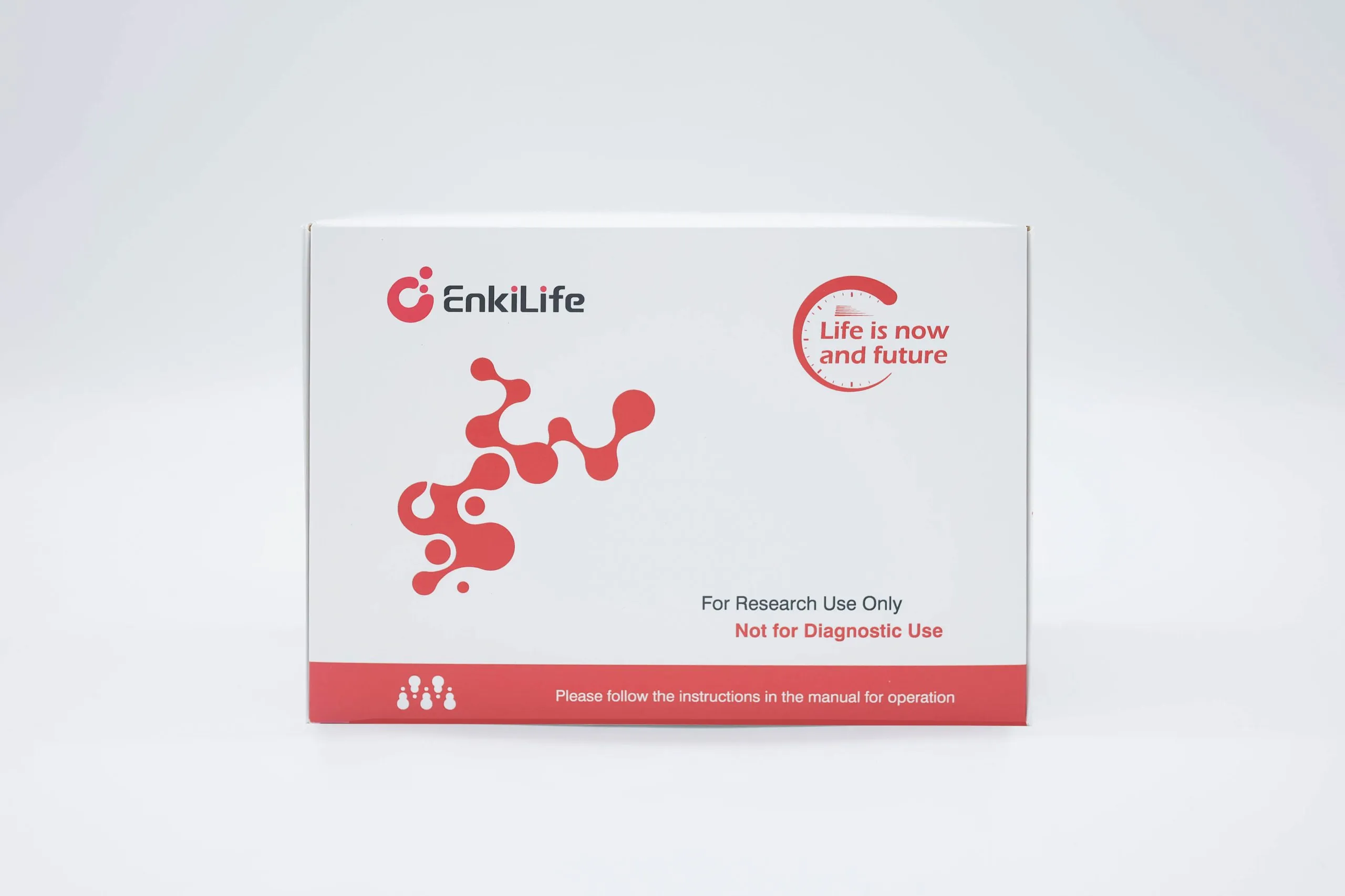
Coenzyme I NAD(H) Content Assay Kit
BC00141-50T · 50T
Verified Partner
Sign in to see pricing and request a quote.
Brand Store Product
No external links. Get your quote directly here.
Description
Coenzyme I (NAD(H)) is widely found in animals, plants, microorganisms, and cultured cells. NAD+ is the main hydrogen acceptor in glycolysis (EMP) and the tricarboxylic acid cycle (TCA). The generated NADH transfers electrons to oxygen via the electron transport chain (also known as the respiratory chain, ETC), synthesizing ATP while simultaneously generating a large amount of reactive oxygen species (ROS). At the same time, NADH is regenerated back into NAD+ . The majority of oxidative reactions in the breakdown of carbohydrates, lipids, and proteins are completed through this system. The NAD(H) content and the NADH/NAD+ ratio can be used to evaluate the intensity of glycolysis and the TCA cycle. Higher NAD(H) and NADH/NAD+ ratios indicate higher cellular oxygen consumption and a state of peroxidation. Furthermore, an elevated NADH/NAD+ ratio can inhibit glycolysis and the TCA cycle. In addition, NAD+ degradation products play important regulatory roles in cell signaling, metabolism, and gene expression.Detection type:Quantitative;Sample Type:Serum, plasma, tissue, bacteria, cells;Detection Method:Colorimetric;Detection Instrument:Visible spectrophotometer(optimal detection wavelength 570 nm)
More from EnkiLife







