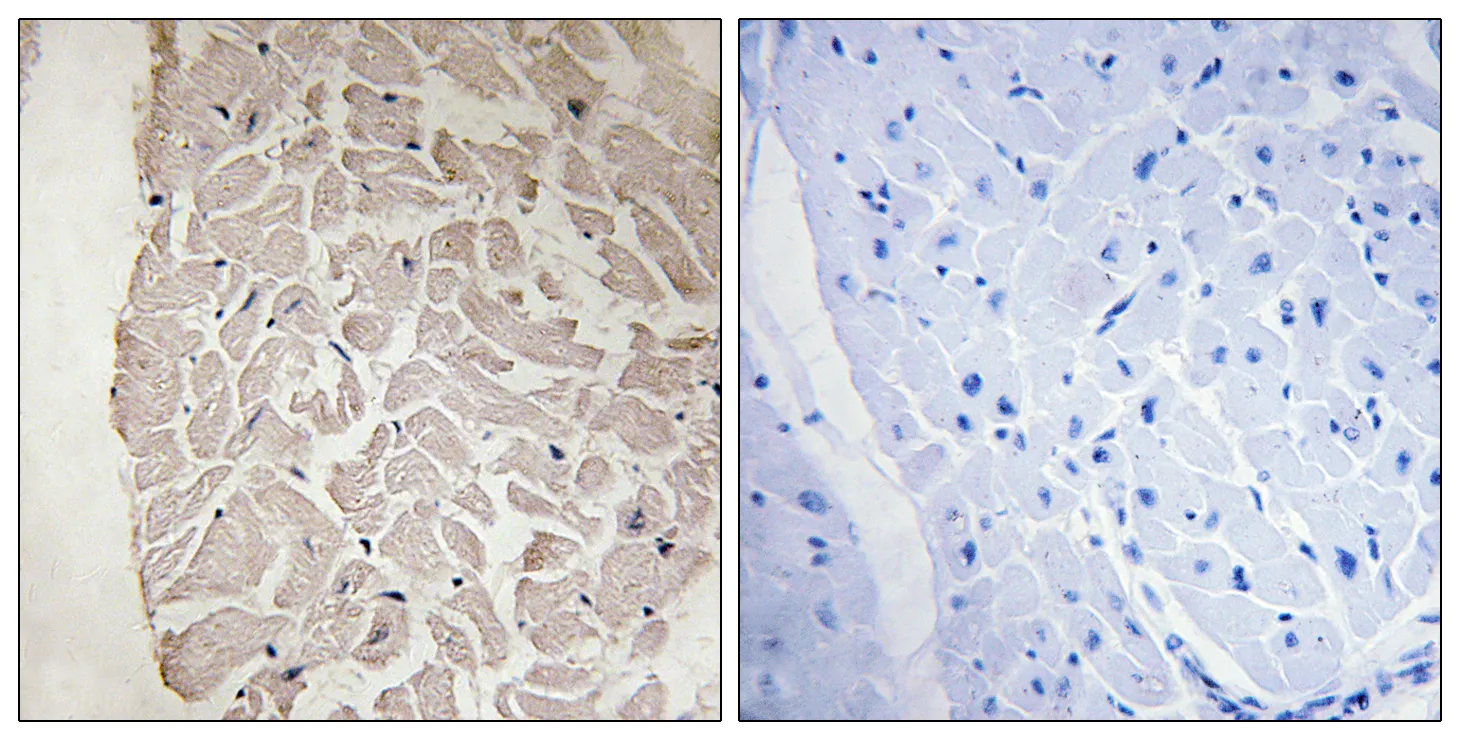
COL6A1 Rabbit Polyclonal Antibody
APRab09195-20μL · 20μL
Verified Partner
Sign in to see pricing and request a quote.
Brand Store Product
No external links. Get your quote directly here.

Description
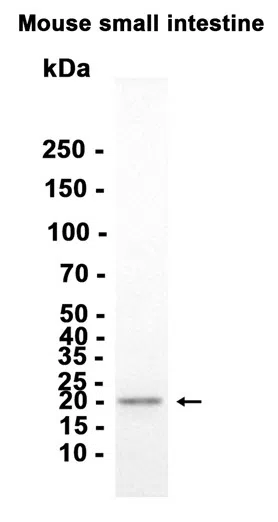
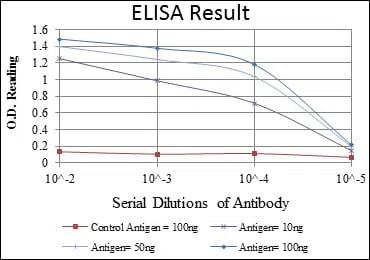
EnkiLife offers the COL6A1 Rabbit Polyclonal Antibody. This antibody reacts with Human,Mouse species and is suitable for IHC,ICC/IF,ELISA application. Alternative Names of Immunogen: COL6A1; Collagen alpha-1(VI) chain. The product boasts remarkable high specificity, outstanding reproducibility, and exceptional affinity, making it a reliable and superior choice for your needs. Dilution Ratio: IHC 1:100-1:300,ICC/IF 1:50-1:200,ELISA 1:5000-1:20000 Background: The collagens are a superfamily of proteins that play a role in maintaining the integrity of various tissues. Collagens are extracellular matrix proteins and have a triple-helical domain as their common structural element. Collagen VI is a major structural component of microfibrils. The basic structural unit of collagen VI is a heterotrimer of the alpha1(VI), alpha2(VI), and alpha3(VI) chains. The alpha2(VI) and alpha3(VI) chains are encoded by the COL6A2 and COL6A3 genes, respectively. The protein encoded by this gene is the alpha 1 subunit of type VI collagen (alpha1(VI) chain). Mutations in the genes that code for the collagen VI subunits result in the autosomal dominant disorder, Bethlem myopathy. [provided by RefSeq, Jul 2008],disease:Defects in COL6A1 are a cause of Bethlem myopathy (BM) [MIM:158810]. BM is a rare autosomal dominant proximal myopathy characterized by early childhood onset (complete penetrance by the age of 5) and joint contractures most frequently affecting the elbows and ankles.,function:Collagen VI acts as a cell-binding protein.,PTM:Prolines at the third position of the tripeptide repeating unit (G-X-Y) are hydroxylated in some or all of the chains.,similarity:Belongs to the type VI collagen family.,similarity:Contains 3 VWFA domains.,subunit:Trimers composed of three different chains: alpha-1(VI), alpha-2(VI), and alpha-3(VI) or alpha-5(VI) or alpha-6(VI)., Research Area: Focal adhesion;ECM-receptor interaction;
More from EnkiLife