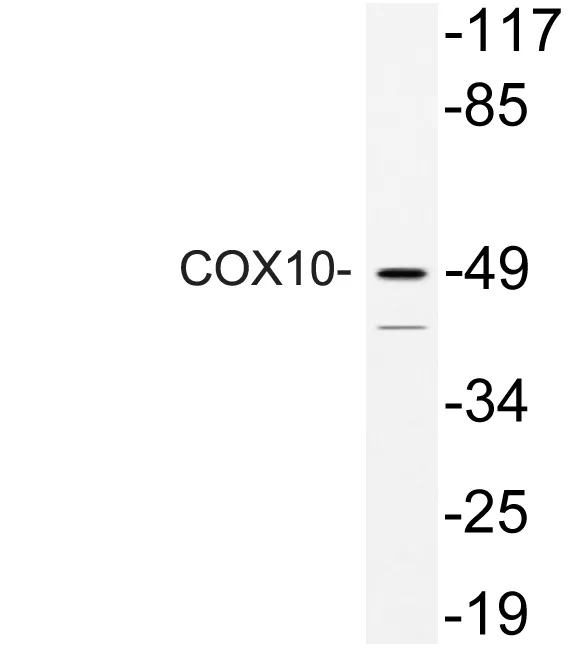
COX10 Rabbit Polyclonal Antibody
APRab09265-100μL · 100μL
Verified Partner
Sign in to see pricing and request a quote.
Brand Store Product
No external links. Get your quote directly here.
Description
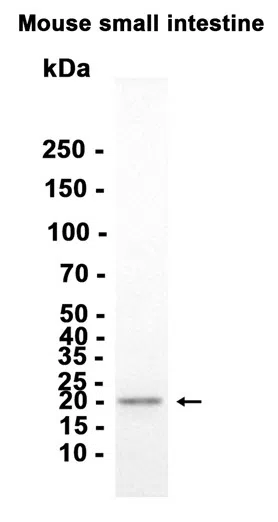
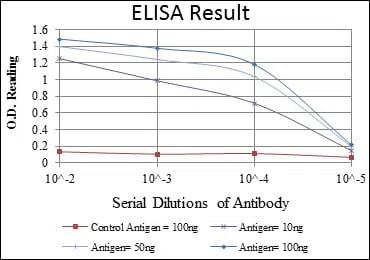
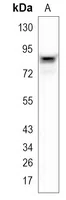
EnkiLife offers the COX10 Rabbit Polyclonal Antibody. This antibody reacts with Human,Rat,Mouse species and is suitable for WB,ELISA application. Alternative Names of Immunogen: COX10; Protoheme IX farnesyltransferase; mitochondrial; Heme O synthase. The product boasts remarkable high specificity, outstanding reproducibility, and exceptional affinity, making it a reliable and superior choice for your needs. Dilution Ratio: WB 1:500-1:2000,ELISA 1:5000-1:20000 Background: Cytochrome c oxidase (COX), the terminal component of the mitochondrial respiratory chain, catalyzes the electron transfer from reduced cytochrome c to oxygen. This component is a heteromeric complex consisting of 3 catalytic subunits encoded by mitochondrial genes and multiple structural subunits encoded by nuclear genes. The mitochondrially-encoded subunits function in electron transfer, and the nuclear-encoded subunits may function in the regulation and assembly of the complex. This nuclear gene encodes heme A:farnesyltransferase, which is not a structural subunit but required for the expression of functional COX and functions in the maturation of the heme A prosthetic group of COX. This protein is predicted to contain 7-9 transmembrane domains localized in the mitochondrial inner membrane. A gene mutation, which results in the substitution of a lysdisease:Defects in COX10 are a cause of cytochrome c oxidase deficiency (COX deficiency) [MIM:220110]. COX deficiency is a clinically heterogeneous disorder. The clinical features are ranging from isolated myopathy to severe multisystem disease, with onset from infancy to adulthood.,disease:Defects in COX10 are a cause of Leigh syndrome (LS) [MIM:256000]. LS is a severe neurological disorder characterized by bilaterally symmetrical necrotic lesions in subcortical brain regions.,function:Converts protoheme IX and farnesyl diphosphate to heme O.,similarity:Belongs to the ubiA prenyltransferase family., Research Area: Oxidative phosphorylation;Porphyrin and chlorophyll metabolism;
More from EnkiLife