CPTI-M Rabbit Polyclonal Antibody
APRab09335-100μL · 100μL
Verified Partner
Sign in to see pricing and request a quote.
Brand Store Product
No external links. Get your quote directly here.

Description
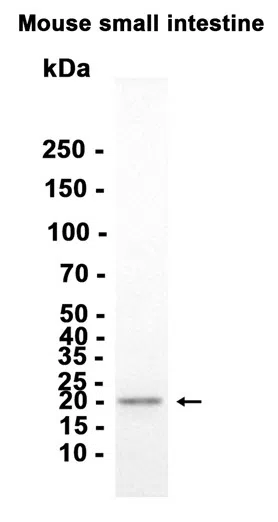
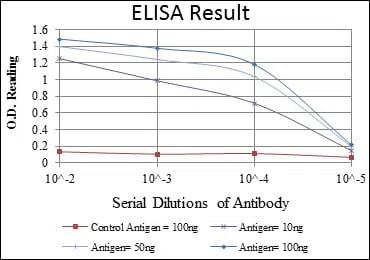
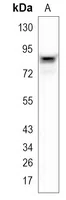
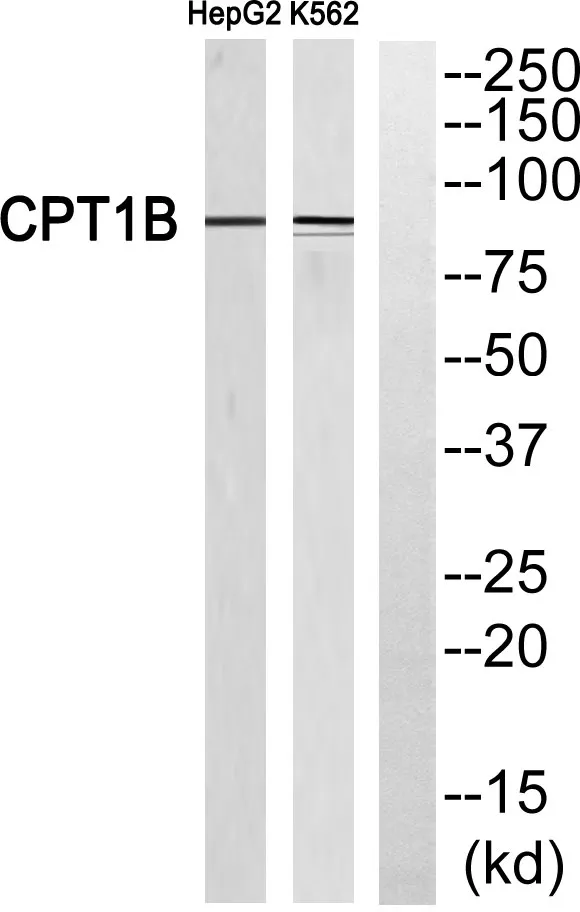
EnkiLife offers the CPTI-M Rabbit Polyclonal Antibody. This antibody reacts with Human,Rat,Mouse species and is suitable for WB,IHC,ICC/IF,ELISA application. Alternative Names of Immunogen: CPT1B; KIAA1670; Carnitine O-palmitoyltransferase 1; muscle isoform; CPT1-M; Carnitine O-palmitoyltransferase I, muscle isoform; CPT I; CPTI-M; Carnitine palmitoyltransferase 1B; Carnitine palmitoyltransferase I-like protein. The product boasts remarkable high specificity, outstanding reproducibility, and exceptional affinity, making it a reliable and superior choice for your needs. Dilution Ratio: WB 1:500-1:2000,IHC 1:100-1:300,ICC/IF 1:50-1:200,ELISA 1:20000-1:40000 Background: The protein encoded by this gene, a member of the carnitine/choline acetyltransferase family, is the rate-controlling enzyme of the long-chain fatty acid beta-oxidation pathway in muscle mitochondria. This enzyme is required for the net transport of long-chain fatty acyl-CoAs from the cytoplasm into the mitochondria. Multiple transcript variants encoding different isoforms have been found for this gene, and read-through transcripts are expressed from the upstream locus that include exons from this gene. [provided by RefSeq, Jun 2009],catalytic activity:ATP + choline = ADP + O-phosphocholine.,catalytic activity:ATP + ethanolamine = ADP + O-phosphoethanolamine.,catalytic activity:Palmitoyl-CoA + L-carnitine = CoA + L-palmitoylcarnitine.,miscellaneous:This protein is produced by a bicistronic gene which also produces the CHKB protein from a non-overlapping reading frame.,miscellaneous:This protein is produced by a bicistronic gene which also produces the CPT1B protein from a non-overlapping reading frame.,pathway:Lipid metabolism; fatty acid beta-oxidation.,similarity:Belongs to the carnitine/choline acetyltransferase family.,similarity:Belongs to the choline/ethanolamine kinase family.,tissue specificity:Strong expression in heart and skeletal muscle. No expression in liver and kidney., Research Area: Fatty acid metabolism;Glycerophospholipid metabolism;PPAR;Adipocytokine;
More from EnkiLife