
Cytokeratin 13 Rabbit Polyclonal Antibody
APRab09722-20μL · 20μL
Verified Partner
Sign in to see pricing and request a quote.
Brand Store Product
No external links. Get your quote directly here.

Description
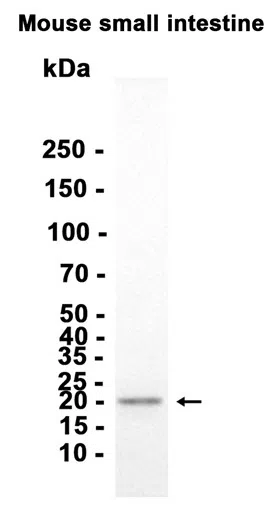
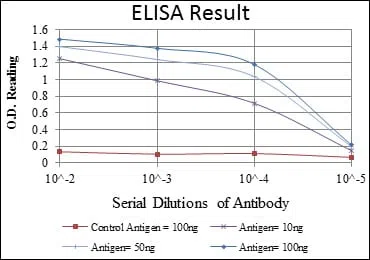
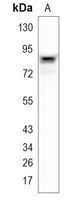
EnkiLife offers the Cytokeratin 13 Rabbit Polyclonal Antibody. This antibody reacts with Human,Mouse,Rat species and is suitable for WB,IHC,ICC/IF,ELISA application. Alternative Names of Immunogen: KRT13; Keratin; type I cytoskeletal 13; Cytokeratin-13; CK-13; Keratin-13; K13. The product boasts remarkable high specificity, outstanding reproducibility, and exceptional affinity, making it a reliable and superior choice for your needs. Dilution Ratio: WB 1:500-1:2000,IHC 1:100-1:300,ICC/IF 1:50-1:200,ELISA 1:5000-1:10000 Background: The protein encoded by this gene is a member of the keratin gene family. The keratins are intermediate filament proteins responsible for the structural integrity of epithelial cells and are subdivided into cytokeratins and hair keratins. Most of the type I cytokeratins consist of acidic proteins which are arranged in pairs of heterotypic keratin chains. This type I cytokeratin is paired with keratin 4 and expressed in the suprabasal layers of non-cornified stratified epithelia. Mutations in this gene and keratin 4 have been associated with the autosomal dominant disorder White Sponge Nevus. The type I cytokeratins are clustered in a region of chromosome 17q21.2. Alternative splicing of this gene results in multiple transcript variants; however, not all variants have been described. [provided by RefSeq, Jul 2008],disease:Defects in KRT13 are a cause of white sponge nevus of cannon (WSN) [MIM:193900]. WSN is a rare autosomal dominant disorder which predominantly affects non-cornified stratified squamous epithelia. Clinically, it is characterized by the presence of soft, white, and spongy plaques in the oral mucosa. The characteristic histopathologic features are epithelial thickening, parakeratosis, and vacuolization of the suprabasal layer of oral epithelial keratinocytes. Less frequently the mucous membranes of the nose, esophagus, genitalia and rectum are involved.,miscellaneous:There are two types of cytoskeletal and microfibrillar keratin: I (acidic; 40-55 kDa) and II (neutral to basic; 56-70 kDa).,online information:Keratin-13 entry,PTM:O-glycosylated; glycans consist of single N-acetylglucosamine residues.,similarity:Belongs to the intermediate filament family.,subunit:Heterotetramer of two type I and two type II keratins. keratin-13 is generally associated with keratin-4.,tissue specificity:Expressed in some epidermal sweat gland ducts (at protein level) and in exocervix, esophagus and placenta.,
More from EnkiLife