DcR3 Rabbit Polyclonal Antibody
APRab09848-20μL · 20μL
Verified Partner
Sign in to see pricing and request a quote.
Brand Store Product
No external links. Get your quote directly here.

Description
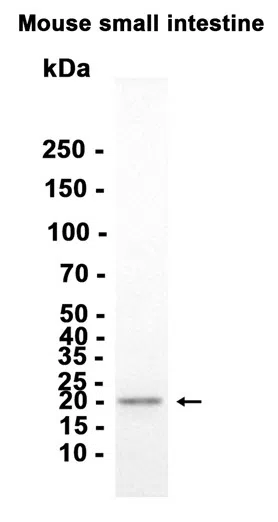
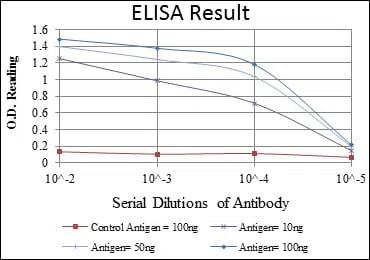
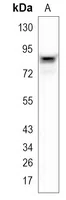
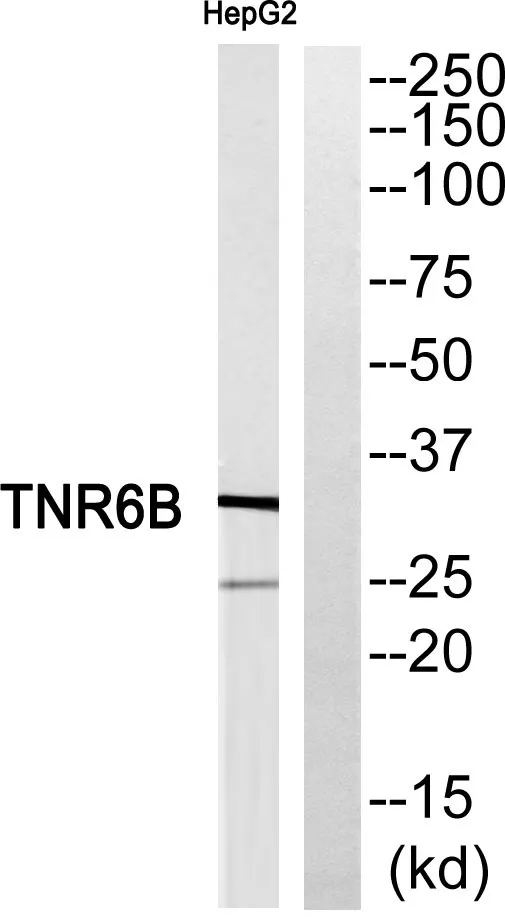
EnkiLife offers the DcR3 Rabbit Polyclonal Antibody. This antibody reacts with Human,Rat,Mouse species and is suitable for WB,IHC,ICC/IF,ELISA application. Alternative Names of Immunogen: TNFRSF6B; DCR3; TR6; Tumor necrosis factor receptor superfamily member 6B; Decoy receptor 3; DcR3; Decoy receptor for Fas ligand; M68. The product boasts remarkable high specificity, outstanding reproducibility, and exceptional affinity, making it a reliable and superior choice for your needs. Dilution Ratio: WB 1:500-1:2000,IHC 1:100-1:300,ICC/IF 1:200-1:1000,ELISA 1:5000-1:10000 Background: This gene belongs to the tumor necrosis factor receptor superfamily. The encoded protein is postulated to play a regulatory role in suppressing FasL- and LIGHT-mediated cell death. It acts as a decoy receptor that competes with death receptors for ligand binding. Over-expression of this gene has been noted in gastrointestinal tract tumors. Read-through transcription into this gene from the neighboring upstream gene, which encodes regulator of telomere elongation helicase 1 (RTEL1), generates a non-coding transcript. [provided by RefSeq, Feb 2011],alternative products:Additional isoforms seem to exist,function:ATP-dependent DNA helicase required to suppress inappropriate homologous recombination, thereby playing a central role DNA repair and in the maintenance of genomic stability. Antagonizes homologous recombination by promoting the disassembly of D loop recombination intermediates. Also required to regulate telomere length; probably due to its anti-recombinase function.,function:Decoy receptor for the cytotoxic ligands TNFS14/LIGHT and TNFSF6/FASL. Protects against apoptosis.,miscellaneous:Amplified in gastric tumors.,similarity:Belongs to the helicase family. RAD3/XPD subfamily.,similarity:Contains 1 helicase ATP-binding domain.,similarity:Contains 4 TNFR-Cys repeats.,tissue specificity:Detected in fetal lung, brain and liver. Detected in adult stomach, spinal cord, lymph node, trachea, spleen, colon and lung. Highly expressed in several primary tumors from colon, stomach, rectum, esophagus and in SW480 colon carcinoma cells., Research Area: Cytokine-cytokine receptor interaction;
More from EnkiLife