
DDR1 Rabbit Polyclonal Antibody
APRab09868-20μL · 20μL
Verified Partner
Sign in to see pricing and request a quote.
Brand Store Product
No external links. Get your quote directly here.

Description
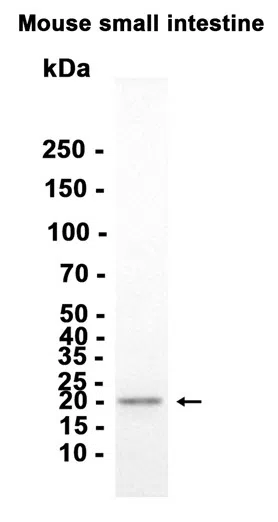
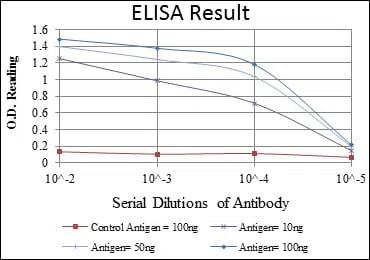
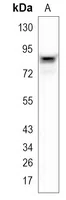
EnkiLife offers the DDR1 Rabbit Polyclonal Antibody. This antibody reacts with Human,Mouse,Rat species and is suitable for WB,ELISA application. Alternative Names of Immunogen: Epithelial discoidin domain-containing receptor 1 (Epithelial discoidin domain receptor 1) (EC 2.7.10.1) (CD167 antigen-like family member A) (Cell adhesion kinase) (Discoidin receptor tyrosine kinase) (HGK2) (Mammary carcinoma kinase 10) (MCK-10) (Protein-tyrosine kinase 3A) (Protein-tyrosine kinase RTK-6) (TRK E) (Tyrosine kinase DDR) (Tyrosine-protein kinase CAK) (CD antigen CD167a). The product boasts remarkable high specificity, outstanding reproducibility, and exceptional affinity, making it a reliable and superior choice for your needs. Dilution Ratio: WB 1:500-1:2000,ELISA 1:10000-1:20000 Background: Receptor tyrosine kinases play a key role in the communication of cells with their microenvironment. These kinases are involved in the regulation of cell growth, differentiation and metabolism. The protein encoded by this gene belongs to a subfamily of tyrosine kinase receptors with homology to Dictyostelium discoideum protein discoidin I in their extracellular domain, and that are activated by various types of collagen. Expression of this protein is restricted to epithelial cells, particularly in the kidney, lung, gastrointestinal tract, and brain. In addition, it has been shown to be significantly overexpressed in several human tumors. Alternatively spliced transcript variants encoding different isoforms have been described for this gene. [provided by RefSeq, Feb 2011],catalytic activity:ATP + a [protein]-L-tyrosine = ADP + a [protein]-L-tyrosine phosphate.,domain:The Gly/Pro-rich domains may be required for an unusual geometry of interaction with ligand or substrates.,function:May be involved in cell-cell interactions and recognition.,similarity:Belongs to the protein kinase superfamily. Tyr protein kinase family. Insulin receptor subfamily.,similarity:Contains 1 F5/8 type C domain.,similarity:Contains 1 protein kinase domain.,tissue specificity:Expressed at low levels in most adult tissues and is highest in the brain and lung. Abundant in breast carcinoma cell lines.,
More from EnkiLife