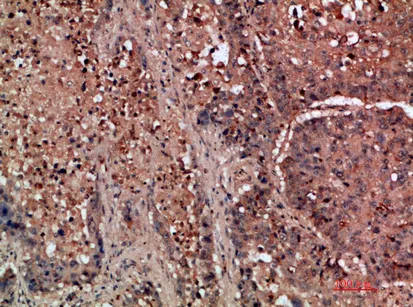
DDR2 Rabbit Polyclonal Antibody
APRab09869-100μL · 100μL
Verified Partner
Sign in to see pricing and request a quote.
Brand Store Product
No external links. Get your quote directly here.
Description
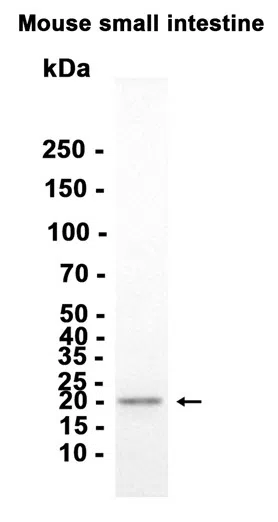
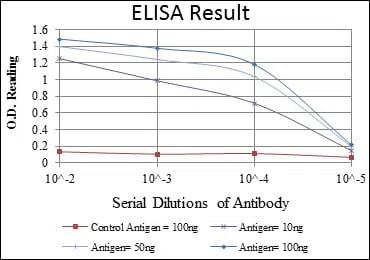
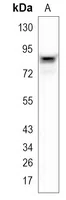
EnkiLife offers the DDR2 Rabbit Polyclonal Antibody. This antibody reacts with Human,Mouse species and is suitable for IHC,ICC/IF,ELISA application. Alternative Names of Immunogen: Discoidin domain-containing receptor 2 (Discoidin domain receptor 2) (EC 2.7.10.1) (CD167 antigen-like family member B) (Discoidin domain-containing receptor tyrosine kinase 2) (Neurotrophic tyrosine kinase, receptor-related 3) (Receptor protein-tyrosine kinase TKT) (Tyrosine-protein kinase TYRO10) (CD antigen CD167b). The product boasts remarkable high specificity, outstanding reproducibility, and exceptional affinity, making it a reliable and superior choice for your needs. Dilution Ratio: IHC 1:50-1:200,ICC/IF 1:200-1:500,ELISA 1:10000-1:20000 Background: Receptor tyrosine kinases (RTKs) play a key role in the communication of cells with their microenvironment. These molecules are involved in the regulation of cell growth, differentiation, and metabolism. In several cases the biochemical mechanism by which RTKs transduce signals across the membrane has been shown to be ligand induced receptor oligomerization and subsequent intracellular phosphorylation. This autophosphorylation leads to phosphorylation of cytosolic targets as well as association with other molecules, which are involved in pleiotropic effects of signal transduction. RTKs have a tripartite structure with extracellular, transmembrane, and cytoplasmic regions. This gene encodes a member of a novel subclass of RTKs and contains a distinct extracellular region encompassing a factor VIII-like domain. Alternative splicing in the 5' UTR results in multiple transcrcatalytic activity:ATP + a [protein]-L-tyrosine = ADP + a [protein]-L-tyrosine phosphate.,function:This tyrosine kinase receptor for fibrillar collagen mediates fibroblast migration and proliferation. Contributes to cutaneous wound healing.,similarity:Belongs to the protein kinase superfamily. Tyr protein kinase family. Insulin receptor subfamily.,similarity:Contains 1 F5/8 type C domain.,similarity:Contains 1 protein kinase domain.,tissue specificity:The major 10 kDa transcript is expressed in high levels in heart and lung, less in brain, placenta, liver, skeletal muscle, pancreas, and kidney.,
More from EnkiLife