
EMR3 Rabbit Polyclonal Antibody
APRab10448-50μL · 50μL
Verified Partner
Sign in to see pricing and request a quote.
Brand Store Product
No external links. Get your quote directly here.

Description
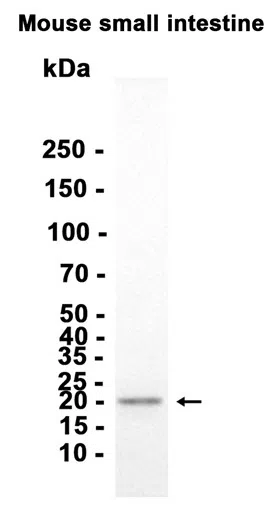
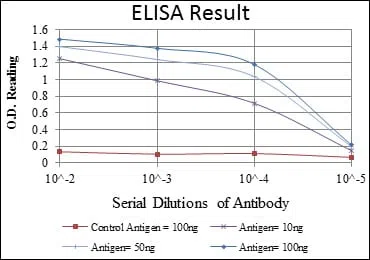
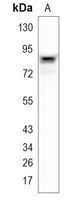
EnkiLife offers the EMR3 Rabbit Polyclonal Antibody. This antibody reacts with Human,Rat,Mouse species and is suitable for WB,ICC/IF,ELISA application. Alternative Names of Immunogen: EMR3; EGF-like module-containing mucin-like hormone receptor-like 3; EGF-like module receptor 3. The product boasts remarkable high specificity, outstanding reproducibility, and exceptional affinity, making it a reliable and superior choice for your needs. Dilution Ratio: WB 1:500-1:2000,ICC/IF 1:200-1:1000,ELISA 1:5000-1:20000 Background: This gene encodes a member of the class B seven-span transmembrane (TM7) receptor family expressed predominantly by cells of the immune system. Family members are characterized by an extended extracellular region with a variable number of N-terminal epidermal growth factor (EGF)-like domains coupled to a TM7 domain via a mucin-like spacer domain. This gene is closely linked to the gene encoding egf-like molecule containing mucin-like hormone receptor 2 on chromosome 19. This protein may play a role in myeloid-myeloid interactions during immune and inflammatory responses. Alternative splicing results in multiple transcript variants encoding different isoforms. [provided by RefSeq, Jan 2014],function:Receptor probably involved in myeloid interactions during immune and inflammatory responses. A ligand for the soluble form of this receptor is present at the surface of momocytes-derived macrophages and activated neutrophils.,PTM:Proteolytically cleaved into 2 subunits, an extracellular alpha subunit and a seven-transmembrane subunit.,similarity:Belongs to the G-protein coupled receptor 2 family. LN-TM7 subfamily.,similarity:Contains 1 GPS domain.,similarity:Contains 2 EGF-like domains.,subcellular location:A soluble form is also detected (alpha subunit).,subunit:Forms a heterodimer, consisting of a large extracellular region (alpha subunit) non-covalently linked to a seven-transmembrane moiety (beta subunit).,tissue specificity:Displays a predominantly leukocyte-restricted expression, with highest levels in neutrophils, monocytes and macrophages.,
More from EnkiLife