Phospho-ENaC β (Thr615) Rabbit Polyclonal Antibody
APRab04607-100μL · 100μL
Verified Partner
Sign in to see pricing and request a quote.
Brand Store Product
No external links. Get your quote directly here.
Description
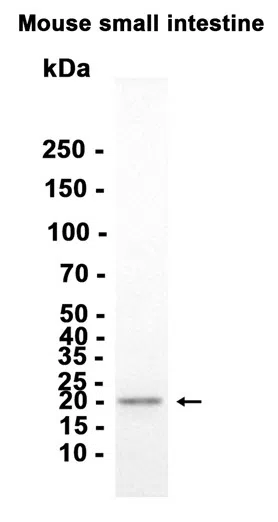
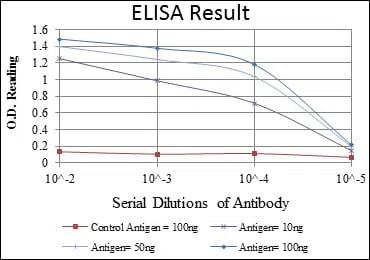
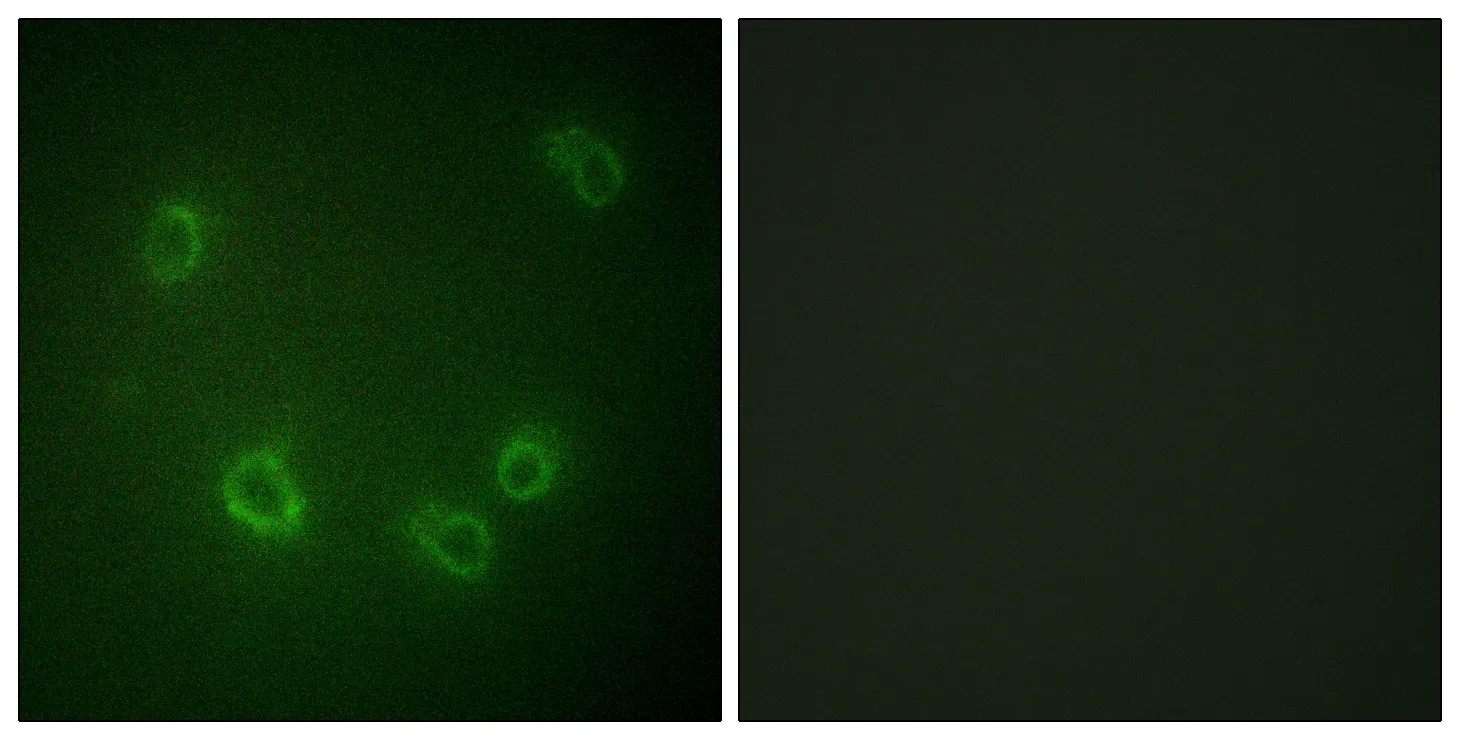
EnkiLife offers the Phospho-ENaC β (Thr615) Rabbit Polyclonal Antibody. This antibody reacts with Human,Mouse,Rat species and is suitable for WB,IHC,ICC/IF,ELISA application. Alternative Names of Immunogen: SCNN1B; Amiloride-sensitive sodium channel subunit beta; Beta-NaCH; Epithelial Na(+) channel subunit beta; Beta-ENaC; ENaCB; Nonvoltage-gated sodium channel 1 subunit beta; SCNEB. The product boasts remarkable high specificity, outstanding reproducibility, and exceptional affinity, making it a reliable and superior choice for your needs. Dilution Ratio: WB 1:500-1:2000,IHC 1:100-1:300,ICC/IF 1:200-1:1000,ELISA 1:5000-1:20000 Background: Nonvoltage-gated, amiloride-sensitive, sodium channels control fluid and electrolyte transport across epithelia in many organs. These channels are heteromeric complexes consisting of 3 subunits: alpha, beta, and gamma. This gene encodes the beta subunit, and mutations in this gene have been associated with pseudohypoaldosteronism type 1 (PHA1), and Liddle syndrome. [provided by RefSeq, Apr 2009],disease:Defects in SCNN1B are a cause of autosomal recessive pseudohypoaldosteronism type 1 (PHA1) [MIM:264350]. PHA1 is a rare salt wasting disease resulting from target organ unresponsiveness to mineralocorticoids. There are 2 forms of PHA1: the autosomal recessive form that is severe, and the dominant form which is more milder and due to defects in mineralocorticoid receptor. Autosomal recessive PHA1 is characterized by an often fulminant presentation in the neonatal period with dehydration, hyponatraemia, hyperkalaemia, metabolic acidosis, failure to thrive and weight loss.,disease:Defects in SCNN1B are a cause of Liddle syndrome [MIM:177200]. It is an autosomal dominant disorder characterized by pseudoaldosteronism and hypertension associated with hypokalemic alkalosis. The disease is caused by constitutive activation of the renal epithelial sodium channel.,function:Sodium permeable non-voltage-sensitive ion channel inhibited by the diuretic amiloride. Mediates the electrodiffusion of the luminal sodium (and water, which follows osmotically) through the apical membrane of epithelial cells. Controls the reabsorption of sodium in kidney, colon, lung and sweat glands. Also plays a role in taste perception.,PTM:Phosphorylated on serine and threonine residues.,similarity:Belongs to the amiloride-sensitive sodium channel family.,subcellular location:Apical membrane of epithelial cells.,subunit:Heterotetramer of two alpha, one beta and one gamma subunit. A delta subunit can replace the alpha subunit. Interacts with the WW domains of NEDD4, NEDD4L, WWP1 and WWP2., Research Area: Taste transduction;Aldosterone-regulated sodium reabsorption;
More from EnkiLife