
FA2H Rabbit Polyclonal Antibody
APRab10744-50μL · 50μL
Verified Partner
Sign in to see pricing and request a quote.
Brand Store Product
No external links. Get your quote directly here.

Description
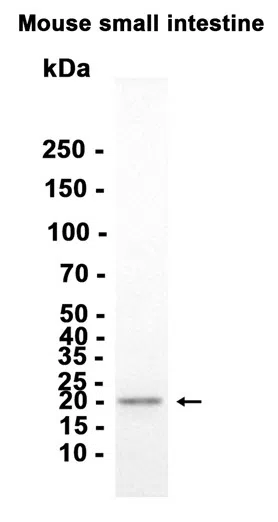
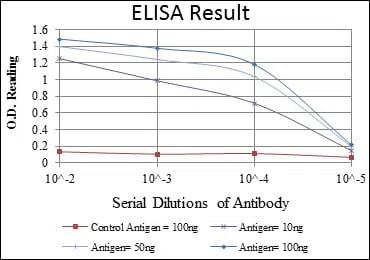
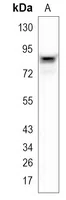
EnkiLife offers the FA2H Rabbit Polyclonal Antibody. This antibody reacts with Human,Mouse,Rat species and is suitable for WB,ELISA application. Alternative Names of Immunogen: Fatty acid 2-hydroxylase (EC 1.-.-.-) (Fatty acid alpha-hydroxylase). The product boasts remarkable high specificity, outstanding reproducibility, and exceptional affinity, making it a reliable and superior choice for your needs. Dilution Ratio: WB 1:500-1:2000,ELISA 1:10000-1:20000 Background: This gene encodes a protein that catalyzes the synthesis of 2-hydroxysphingolipids, a subset of sphingolipids that contain 2-hydroxy fatty acids. Sphingolipids play roles in many cellular processes and their structural diversity arises from modification of the hydrophobic ceramide moiety, such as by 2-hydroxylation of the N-acyl chain, and the existence of many different head groups. Mutations in this gene have been associated with leukodystrophy dysmyelinating with spastic paraparesis with or without dystonia.[provided by RefSeq, Mar 2010],cofactor:Iron.,disease:Defects in FA2H are the cause of leukodystrophy dysmyelinating with spastic paraparesis with or without dystonia (DLDSP) [MIM:612443]. The disorder consists of a progressive neurologic disease manifested by spasticity, disordered tonicity of muscle, and white matter degeneration.,domain:The histidine box domains may contain the active site and/or be involved in metal ion binding.,function:Required for alpha-hydroxylation of free fatty acids and the formation of alpha-hydroxylated sphingolipids.,induction:Up-regulated during keratinocyte differentiation.,similarity:Belongs to the SCS7 family.,similarity:Contains 1 cytochrome b5 heme-binding domain.,tissue specificity:Detected in differentiating cultured keratinocytes (at protein level). Detected in epidermis and cultured keratinocytes. Highly expressed in brain and colon. Detected at lower levels in testis, prostate, pancreas and kidney.,
More from EnkiLife