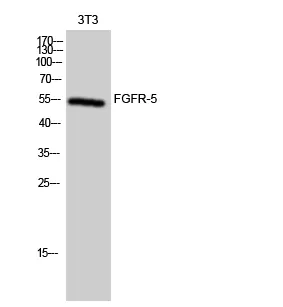
FGFR-5 Rabbit Polyclonal Antibody
APRab10951-20μL · 20μL
Verified Partner
Sign in to see pricing and request a quote.
Brand Store Product
No external links. Get your quote directly here.

Description
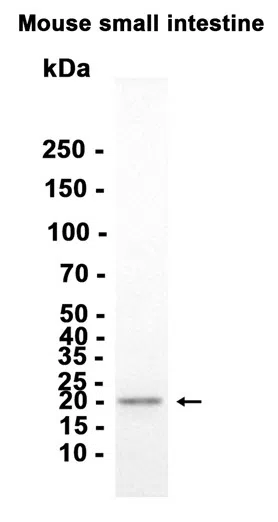
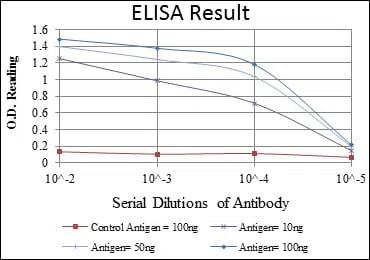
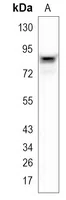
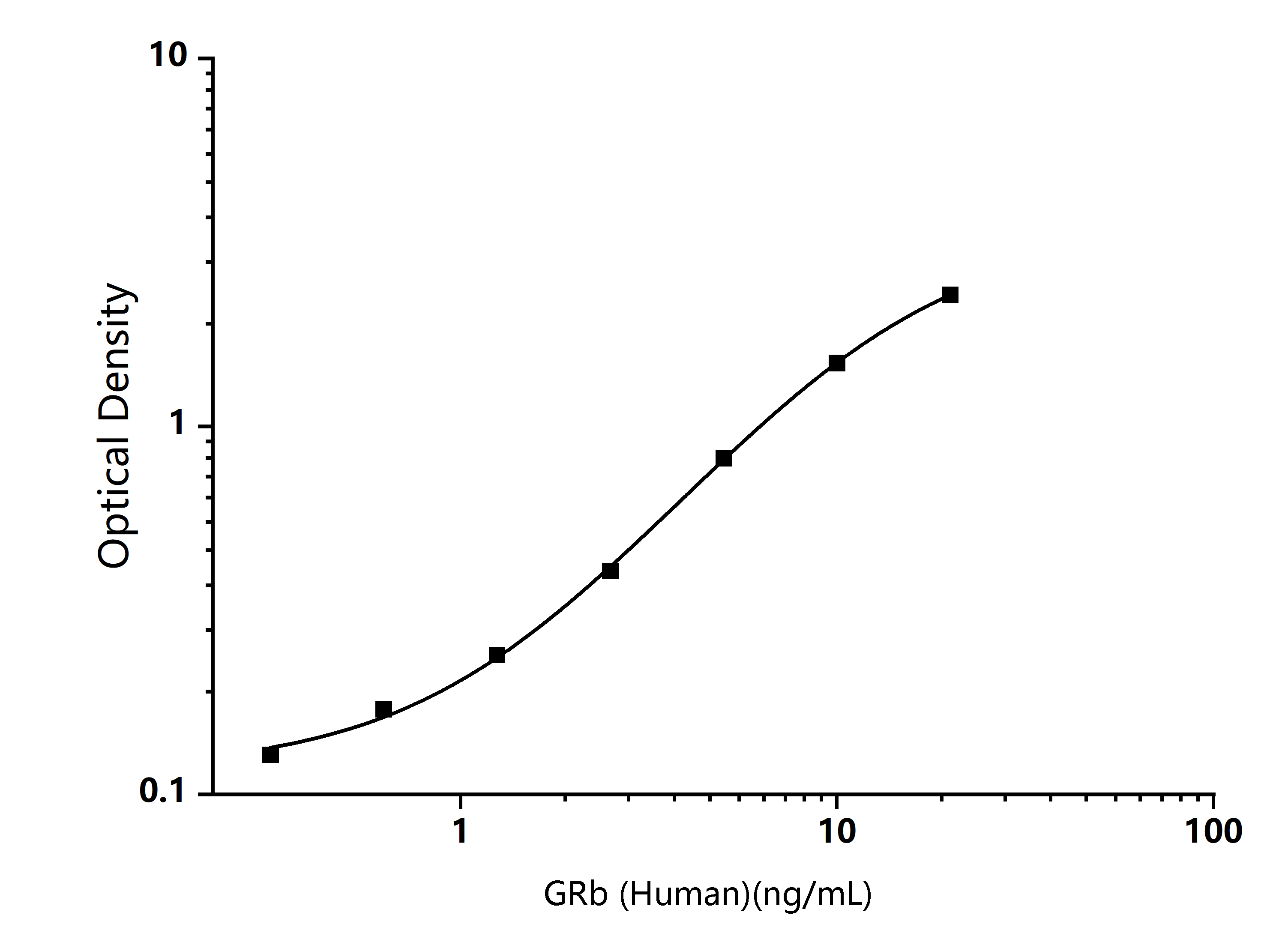
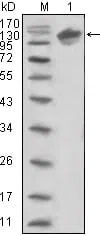
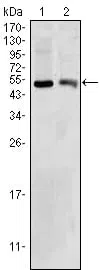
EnkiLife offers the FGFR-5 Rabbit Polyclonal Antibody. This antibody reacts with Human,Mouse species and is suitable for WB,ELISA application. Alternative Names of Immunogen: FGFRL1; FGFR5; FHFR; Fibroblast growth factor receptor-like 1; FGF receptor-like protein 1; FGF homologous factor receptor; FGFR-like protein; Fibroblast growth factor receptor 5; FGFR-5. The product boasts remarkable high specificity, outstanding reproducibility, and exceptional affinity, making it a reliable and superior choice for your needs. Dilution Ratio: WB 1:500-1:2000,ELISA 1:20000-1:40000 Background: The protein encoded by this gene is a member of the fibroblast growth factor receptor (FGFR) family, where amino acid sequence is highly conserved between members and throughout evolution. FGFR family members differ from one another in their ligand affinities and tissue distribution. A full-length representative protein would consist of an extracellular region, composed of three immunoglobulin-like domains, a single hydrophobic membrane-spanning segment and a cytoplasmic tyrosine kinase domain. The extracellular portion of the protein interacts with fibroblast growth factors, setting in motion a cascade of downstream signals, ultimately influencing mitogenesis and differentiation. A marked difference between this gene product and the other family members is its lack of a cytoplasmic tyrosine kinase domain. The result is a transmembrane receptor that could interact with otherfunction:Has a negative effect on cell proliferation.,similarity:Contains 3 Ig-like C2-type (immunoglobulin-like) domains.,subcellular location:Predominantly localized in the plasma membrane but also detected in the Golgi and in secretory vesicles.,subunit:Interacts with FGF2 with a low affinity.,tissue specificity:Expressed preferentially in cartilaginous tissues and pancreas. Highly expressed in the liver, kidney, heart, brain and skeletal muscle. Weakly expressed in the lung, small intestine and spleen.,
More from EnkiLife