Frizzled-8 Rabbit Polyclonal Antibody
APRab11149-50μL · 50μL
Verified Partner
Sign in to see pricing and request a quote.
Brand Store Product
No external links. Get your quote directly here.

Description
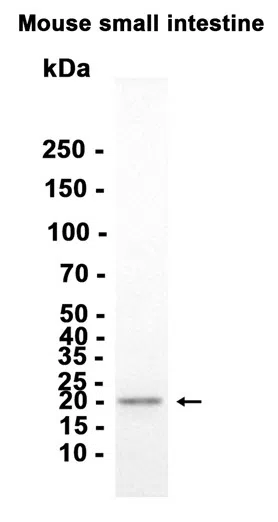
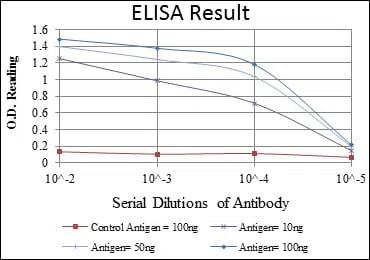
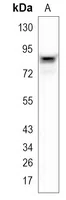
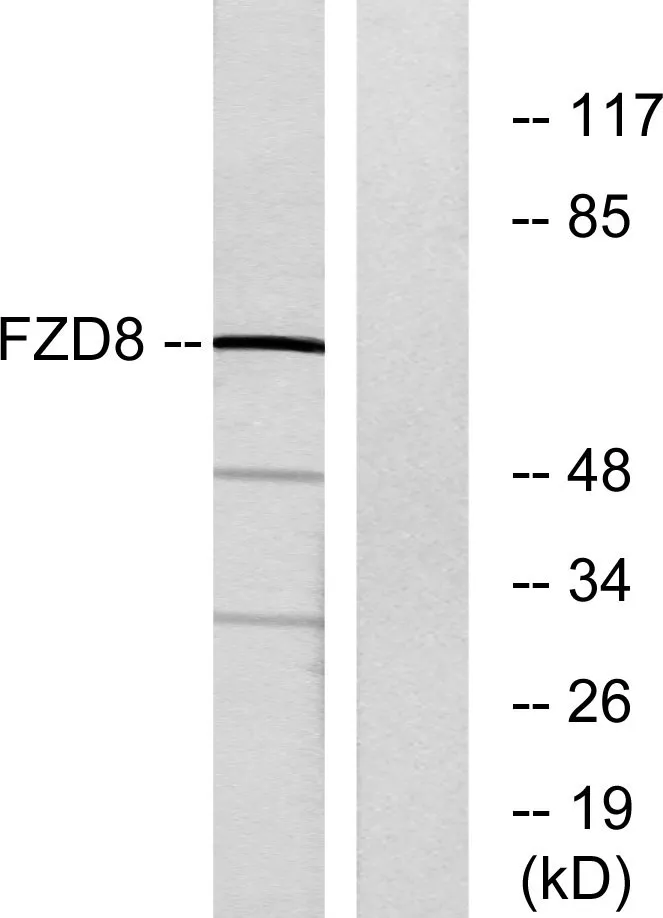
EnkiLife offers the Frizzled-8 Rabbit Polyclonal Antibody. This antibody reacts with Human,Mouse,Rat species and is suitable for WB,IHC,ICC/IF,ELISA application. Alternative Names of Immunogen: FZD8; Frizzled-8; Fz-8; hFz8. The product boasts remarkable high specificity, outstanding reproducibility, and exceptional affinity, making it a reliable and superior choice for your needs. Dilution Ratio: WB 1:500-1:2000,IHC 1:100-1:300,ICC/IF 1:50-1:200,ELISA 1:5000-1:10000 Background: frizzled class receptor 8(FZD8) Homo sapiens This intronless gene is a member of the frizzled gene family. Members of this family encode seven-transmembrane domain proteins that are receptors for the Wingless type MMTV integration site family of signaling proteins. Most frizzled receptors are coupled to the beta-catenin canonical signaling pathway. This gene is highly expressed in two human cancer cell lines, indicating that it may play a role in several types of cancer. The crystal structure of the extracellular cysteine-rich domain of a similar mouse protein has been determined. [provided by RefSeq, Jul 2008],domain:Lys-Thr-X-X-X-Trp motif is involved in the activation of the Wnt/beta-catenin signaling pathway.,domain:The FZ domain is involved in binding with Wnt ligands.,domain:The PDZ-binding motif mediates interaction with GOPC.,function:Receptor for Wnt proteins. Most of frizzled receptors are coupled to the beta-catenin canonical signaling pathway, which leads to the activation of disheveled proteins, inhibition of GSK-3 kinase, nuclear accumulation of beta-catenin and activation of Wnt target genes. A second signaling pathway involving PKC and calcium fluxes has been seen for some family members, but it is not yet clear if it represents a distinct pathway or if it can be integrated in the canonical pathway, as PKC seems to be required for Wnt-mediated inactivation of GSK-3 kinase. Both pathways seem to involve interactions with G-proteins. May be involved in transduction and intercellular transmission of polarity information during tissue morphogenesis and/or in differentiated tissues.,similarity:Belongs to the G-protein coupled receptor Fz/Smo family.,similarity:Contains 1 FZ (frizzled) domain.,subunit:Interacts with GOPC. Interacts with RSPO1 and RSPO3.,tissue specificity:Most abundant in fetal kidney, followed by brain and lung. In adult tissues, expressed in kidney, heart, pancreas and skeletal muscle., Research Area: WNT;WNT-T CELLMelanogenesis;Pathways in cancer;Colorectal cancer;Basal cell carcinoma;
More from EnkiLife