
I-FABP Rabbit Polyclonal Antibody
APRab12370-50μL · 50μL
Verified Partner
Sign in to see pricing and request a quote.
Brand Store Product
No external links. Get your quote directly here.

Description
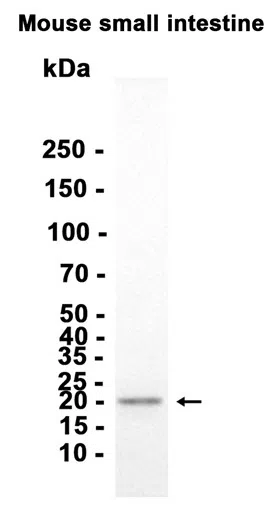
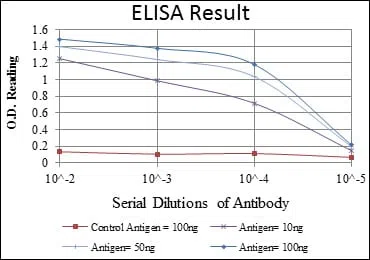
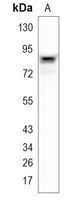
EnkiLife offers the I-FABP Rabbit Polyclonal Antibody. This antibody reacts with Human,Mouse,Rat species and is suitable for WB,IHC,ICC/IF,ELISA application. Alternative Names of Immunogen: Fatty acid-binding protein, intestinal (Fatty acid-binding protein 2;Intestinal-type fatty acid-binding protein;I-FABP). The product boasts remarkable high specificity, outstanding reproducibility, and exceptional affinity, making it a reliable and superior choice for your needs. Dilution Ratio: WB 1:500-1:2000,IHC 1:50-1:200,ICC/IF 1:50-1:200,ELISA 1:10000-1:20000 Background: The intracellular fatty acid-binding proteins (FABPs) belong to a multigene family with nearly twenty identified members. FABPs are divided into at least three distinct types, namely the hepatic-, intestinal- and cardiac-type. They form 14-15 kDa proteins and are thought to participate in the uptake, intracellular metabolism and/or transport of long-chain fatty acids. They may also be responsible in the modulation of cell growth and proliferation. Intestinal fatty acid-binding protein 2 gene contains four exons and is an abundant cytosolic protein in small intestine epithelial cells. This gene has a polymorphism at codon 54 that identified an alanine-encoding allele and a threonine-encoding allele. Thr-54 protein is associated with increased fat oxidation and insulin resistance. [provided by RefSeq, Jul 2008],domain:Forms a beta-barrel structure that accommodates the hydrophobic ligand in its interior.,function:FABP are thought to play a role in the intracellular transport of long-chain fatty acids and their acyl-CoA esters. FABP2 is probably involved in triglyceride-rich lipoprotein synthesis. Binds saturated long-chain fatty acids with a high affinity, but binds with a lower affinity to unsaturated long-chain fatty acids. FABP2 may also help maintain energy homeostasis by functioning as a lipid sensor.,induction:By EGF.,similarity:Belongs to the calycin superfamily. Fatty-acid binding protein (FABP) family.,tissue specificity:Expressed in the small intestine and at much lower levels in the large intestine. Highest expression levels in the jejunum., Research Area: PPAR;
More from EnkiLife