ILKAP Rabbit Polyclonal Antibody
APRab12580-20μL · 20μL
Verified Partner
Sign in to see pricing and request a quote.
Brand Store Product
No external links. Get your quote directly here.

Description
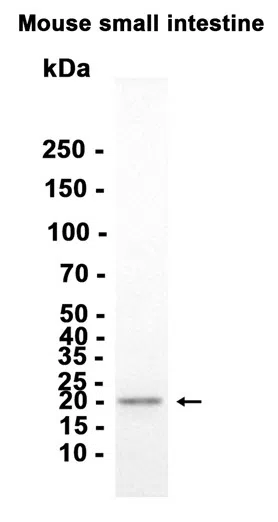
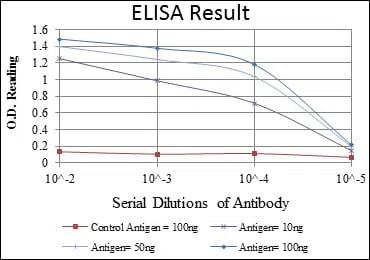
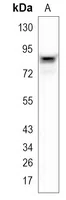
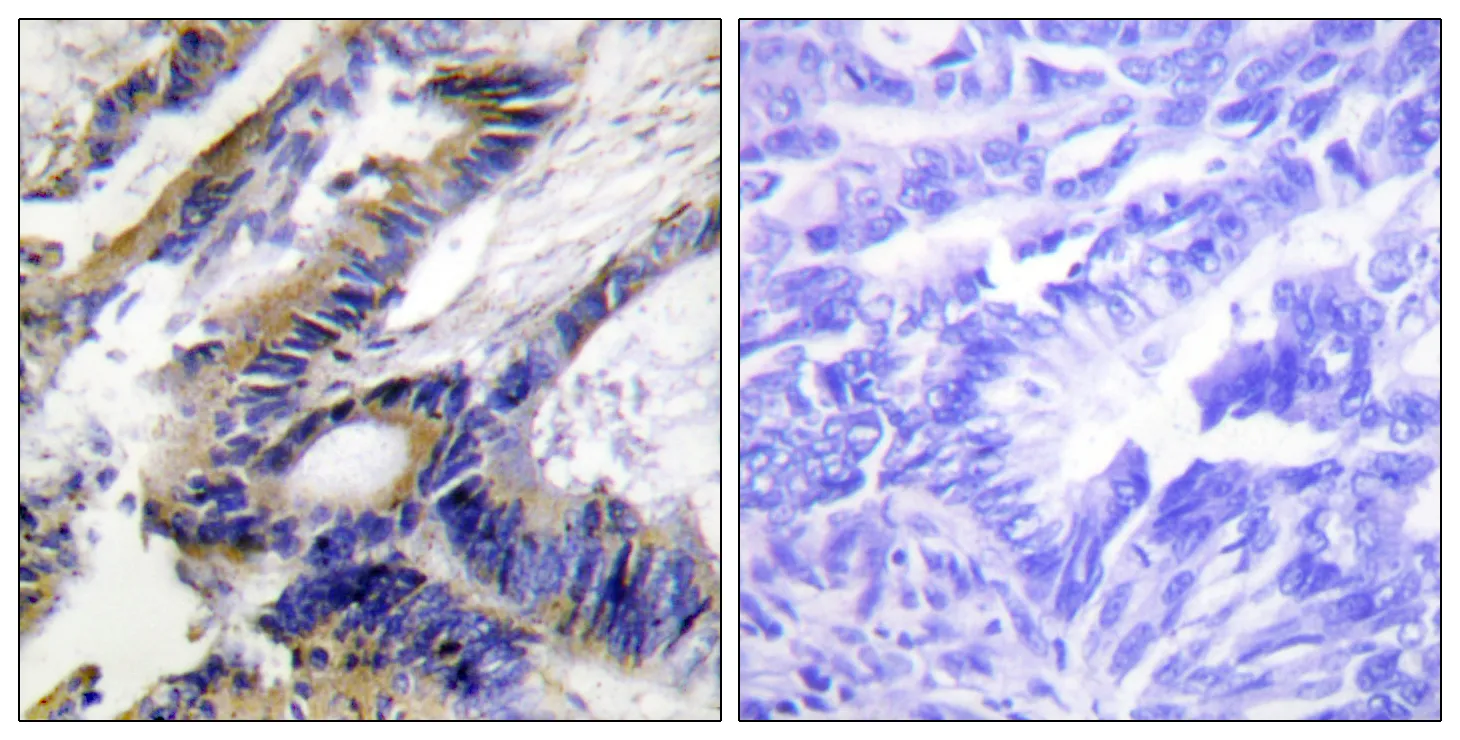
EnkiLife offers the ILKAP Rabbit Polyclonal Antibody. This antibody reacts with Human,Mouse,Rat,Monkey species and is suitable for WB,IHC,ICC/IF,ELISA application. Alternative Names of Immunogen: ILKAP; Integrin-linked kinase-associated serine/threonine phosphatase 2C; ILKAP. The product boasts remarkable high specificity, outstanding reproducibility, and exceptional affinity, making it a reliable and superior choice for your needs. Dilution Ratio: WB 1:500-1:2000,IHC 1:100-1:300,ICC/IF 1:200-1:1000,ELISA 1:10000-1:20000 Background: The protein encoded by this gene is a protein serine/threonine phosphatase of the PP2C family. This protein can interact with integrin-linked kinase (ILK/ILK1), a regulator of integrin mediated signaling, and regulate the kinase activity of ILK. Through the interaction with ILK, this protein may selectively affect the signaling process of ILK-mediated glycogen synthase kinase 3 beta (GSK3beta), and thus participate in Wnt signaling pathway. [provided by RefSeq, Jul 2008],catalytic activity:A phosphoprotein + H(2)O = a protein + phosphate.,cofactor:Binds 2 magnesium or manganese ions per subunit.,function:Protein phosphatase that may play a role in regulation of cell cycle progression via dephosphorylation of its substrates whose appropriate phosphorylation states might be crucial for cell proliferation. Selectively associates with integrin linked kinase (ILK), to modulate cell adhesion and growth factor signaling. Inhibits the ILK-GSK3B signaling axis and may play an important role in inhibiting oncogenic transformation.,induction:Inhibited rather than stimulated by Magnesium.,similarity:Belongs to the PP2C family.,similarity:Contains 1 PP2C-like domain.,subunit:Interacts with ILK. Specific association with ILK is independent of the catalytic activity of either partner.,tissue specificity:Widely expressed. Highest levels expressed in striated muscle. Much lower levels evident in various smooth muscle tissues.,
More from EnkiLife