
JNK1 Rabbit Monoclonal Antibody
AMRe02178-20μL · 20μL
Verified Partner
Sign in to see pricing and request a quote.
Brand Store Product
No external links. Get your quote directly here.
Description
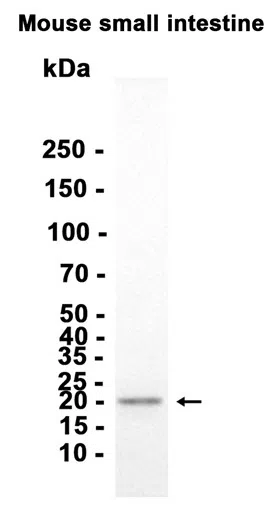
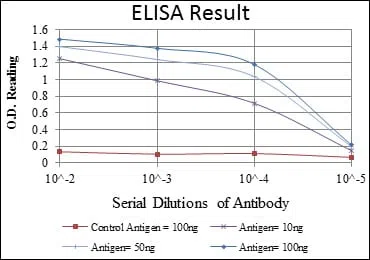
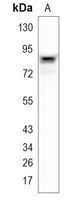
EnkiLife offers the JNK1 Rabbit Monoclonal Antibody. This antibody reacts with Human,Mouse,Rat species and is suitable for WB application. Alternative Names of Immunogen: AI849689; c Jun N terminal kinase 1; C-JUN kinase 1; c-Jun N-terminal kinase 1; EC 2.7.11.24; JAK 1A; JAK1A; JNK 1; JNK 46; JNK; JNK-46; JNK1A2; JNK21B1/2; MAP kinase 8; MAPK 8; MAPK8; Mitogen activated protein kinase 8; Mitogen-activated protein kinase 8; MK08_HUMAN; p54 gamma; PRKM 8; PRKM8; Protein kinase JNK1; Protein kinase; mitogen-activated; 8; SAPK 1; SAPK gamma; SAPK1; Stress activated protein kinase JNK1; Stress-activated protein kinase 1; Stress-activated protein kinase JNK1; Tyrosine protein kinase JAK1 .. The product boasts remarkable high specificity, outstanding reproducibility, and exceptional affinity, making it a reliable and superior choice for your needs. Dilution Ratio: WB 1:500-1:1000 Background: The protein encoded by this gene is a member of the MAP kinase family. MAP kinases act as an integration point for multiple biochemical signals, and are involved in a wide variety of cellular processes such as proliferation, differentiation, transcription regulation and development. This kinase is activated by various cell stimuli, and targets specific transcription factors, and thus mediates immediate-early gene expression in response to cell stimuli. The activation of this kinase by tumor-necrosis factor alpha (TNF-alpha) is found to be required for TNF-alpha induced apoptosis. This kinase is also involved in UV radiation induced apoptosis, which is thought to be related to cytochrom c-mediated cell death pathway. Studies of the mouse counterpart of this gene suggested that this kinase play a key role in T cell proliferation, apoptosis and differentiation. Several alternatively spliced transcript variants encoding distinct isoforms have been reported. [provided by RefSeq, Apr 2016] Research Area: Signal Transduction
More from EnkiLife