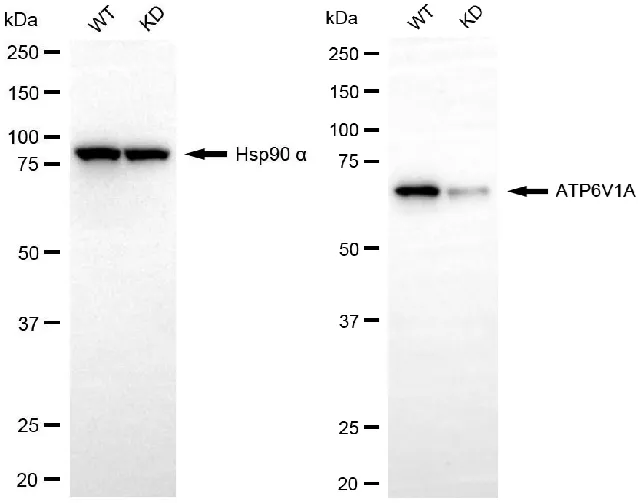
KD-Validated ATP6V1A Recombinant Rabbit Monoclonal Antibody
KVAb01207-20ul · 20ul
Verified Partner
Sign in to see pricing and request a quote.
Brand Store Product
No external links. Get your quote directly here.

Description
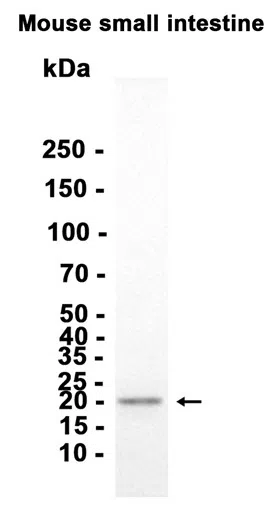
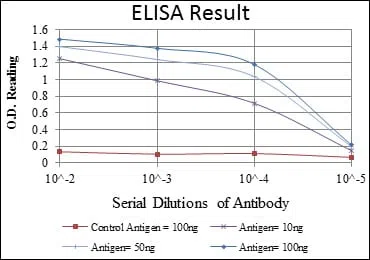
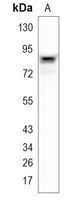
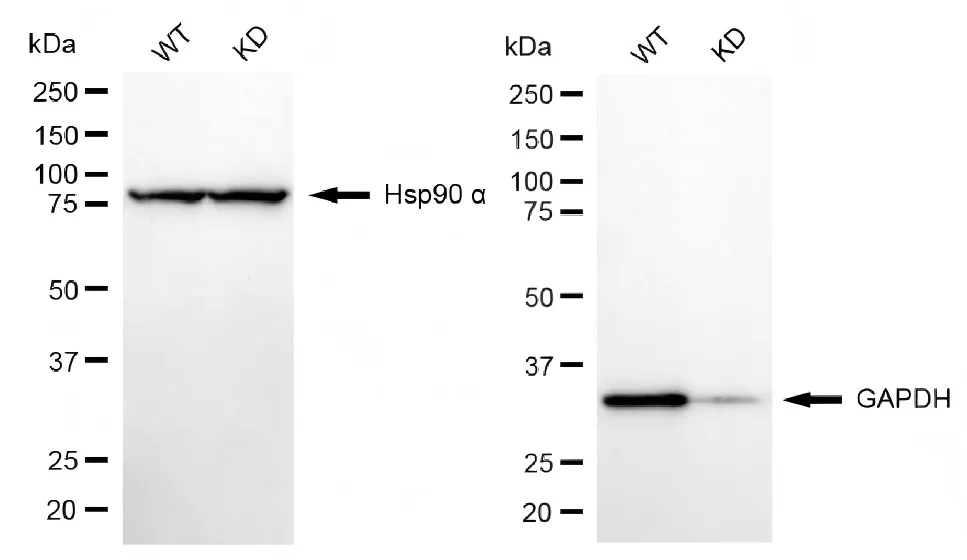
EnkiLife offers the KD-Validated ATP6V1A Recombinant Rabbit Monoclonal Antibody. This antibody reacts with Human,Mouse,Rat and is suitable for WB,FCM application. The product boasts remarkable high specificity, outstanding reproducibility, and exceptional affinity, making it a reliable and superior choice for your needs. Dilution Ratio: WB 1:1,000-1:5,000; FC 1:200-1:2,000 Alternative Names of Immunogen:ATP6V1A; ATPase H+ Transporting V1 Subunit A; V-ATPase Subunit A; ATP6V1A1; ATP6A1; Vma1; VA68; VPP2; ATPase, H+ Transporting, Lysosomal 70kDa, V1 Subunit A; V-Type Proton ATPase (V-ATPase) Catalytic Subunit A; V-Type Proton ATPase Catalytic Subunit A; Vacuolar Proton Pump Subunit Alpha; ATPase, H+ Transporting, Lysosomal (Vacuolar Proton Pump), Alpha Polypeptide, 70kD, Isoform 1; H+-Transporting ATPase Chain A, Vacuolar (VA68 Type); ATPase, H+ Transporting, Lysosomal, Subunit A1; H(+)-Transporting Two-Sector ATPase, Subunit A; Vacuolar Proton Pump Alpha Subunit 1; Vacuolar ATPase Isoform VA68; V-ATPase 69 KDa Subunit 1; Vacuolar-Type H(+)-ATPase; V-ATPase 69 KDa Subunit; V-ATPase A Subunit 1; EC 3.6.3.14; EC 7.1.2.2; EC 3.6.3; ARCL2D; IECEE3; DEE93; HO68 Background: This gene encodes a component of vacuolar ATPase (V-ATPase), a multisubunit enzyme that mediates acidification of eukaryotic intracellular organelles. V-ATPase dependent organelle acidification is necessary for such intracellular processes as protein sorting, zymogen activation, receptor-mediated endocytosis, and synaptic vesicle proton gradient generation. V-ATPase is composed of a cytosolic V1 domain and a transmembrane V0 domain. The V1 domain consists of three A and three B subunits, two G subunits plus the C, D, E, F, and H subunits. The V1 domain contains the ATP catalytic site. The V0 domain consists of five different subunits: a, c, c', c", and d. Additional isoforms of many of the V1 and V0 subunit proteins are encoded by multiple genes or alternatively spliced transcript variants. This encoded protein is one of two V1 domain A subunit isoforms and is found in all tissues. Transcript variants derived from alternative polyadenylation exist. [provided by RefSeq, Jul 2008] Research Area: Tags & Cell Markers,Signal Transduction
More from EnkiLife