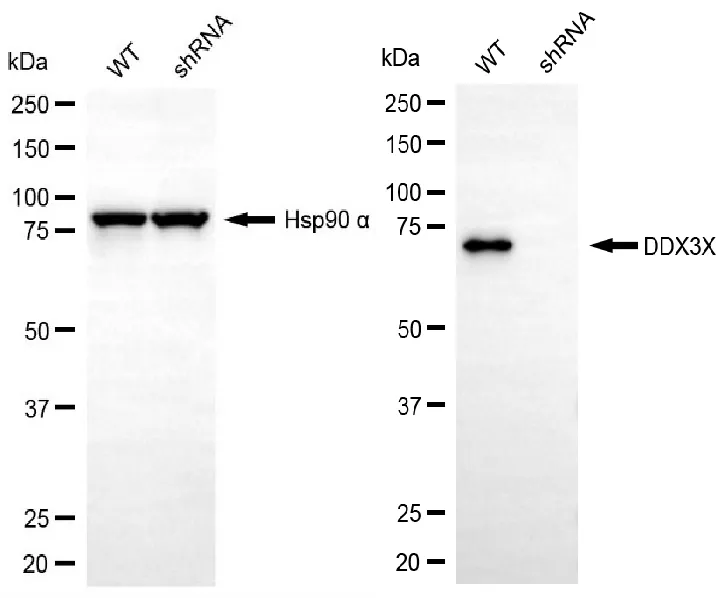
KD-Validated DDX3X Mouse Monoclonal Antibody
KVAb00381-20ul · 20ul
Verified Partner
Sign in to see pricing and request a quote.
Brand Store Product
No external links. Get your quote directly here.

Description
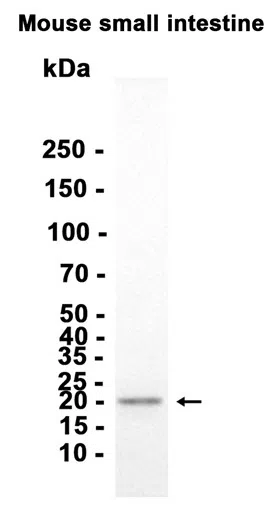
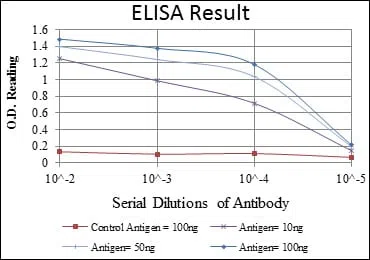
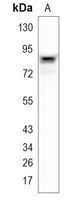
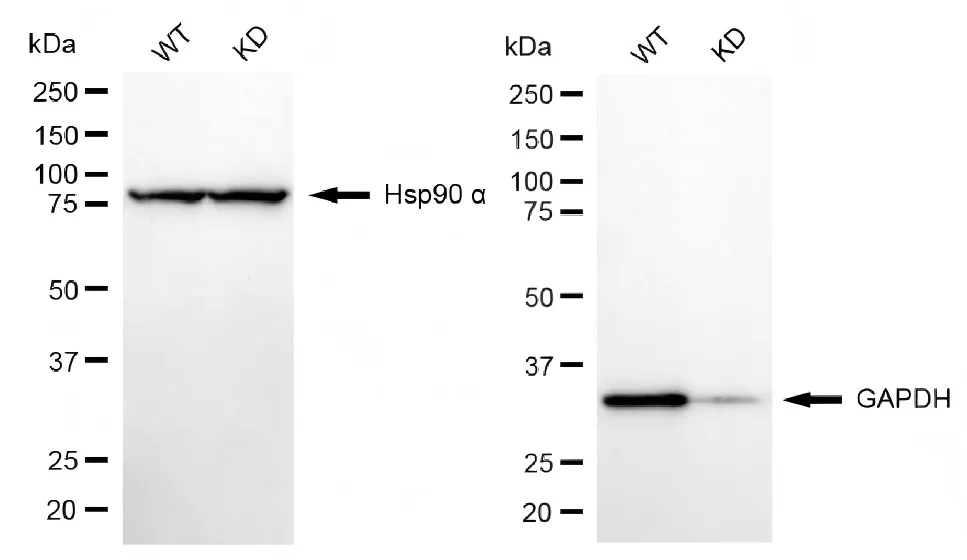
EnkiLife offers the KD-Validated DDX3X Mouse Monoclonal Antibody. This antibody reacts with Human,Mouse,Rat and is suitable for WB,FCM application. The product boasts remarkable high specificity, outstanding reproducibility, and exceptional affinity, making it a reliable and superior choice for your needs. Dilution Ratio: WB 1:400-1:2,000; FC 1:100-1:1,000 Alternative Names of Immunogen:DDX3X; DEAD-Box Helicase 3 X-Linked; CAP-Rf; HLP2; DBX; Helicase-Like Protein 2; DDX14; DDX3; DEAD (Asp-Glu-Ala-Asp) Box Polypeptide 3, X-Linked; DEAD (Asp-Glu-Ala-Asp) Box Helicase 3, X-Linked; DEAD/H (Asp-Glu-Ala-Asp/His) Box Polypeptide 3; DEAD Box Protein 3, X-Chromosomal; ATP-Dependent RNA Helicase DDX3X; DEAD Box, X Isoform; DEAD/H Box-3; EC 3.6.4.13; EC 3.6.1; MRX102; MRXSSB Background: The protein encoded by this gene is a member of the large DEAD-box protein family, that is defined by the presence of the conserved Asp-Glu-Ala-Asp (DEAD) motif, and has ATP-dependent RNA helicase activity. This protein has been reported to display a high level of RNA-independent ATPase activity, and unlike most DEAD-box helicases, the ATPase activity is thought to be stimulated by both RNA and DNA. This protein has multiple conserved domains and is thought to play roles in both the nucleus and cytoplasm. Nuclear roles include transcriptional regulation, mRNP assembly, pre-mRNA splicing, and mRNA export. In the cytoplasm, this protein is thought to be involved in translation, cellular signaling, and viral replication. Misregulation of this gene has been implicated in tumorigenesis. This gene has a paralog located in the nonrecombining region of the Y chromosome. Pseudogenes sharing similarity to both this gene and the DDX3Y paralog are found on chromosome 4 and the X chromosome. Alternative splicing results in multiple transcript variants. [provided by RefSeq, Oct 2014] Research Area: Epigenetics and Nuclear Signaling,Stem Cells,Developmental Biology
More from EnkiLife