KD-Validated MCM3 Recombinant Rabbit Monoclonal Antibody
KVAb01505-20ul · 20ul
Verified Partner
Sign in to see pricing and request a quote.
Brand Store Product
No external links. Get your quote directly here.

Description
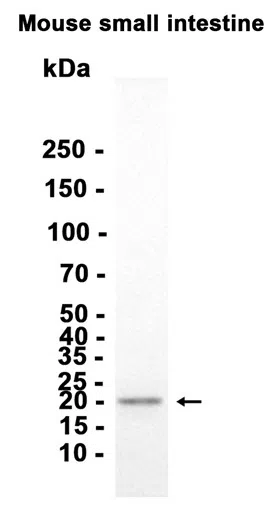
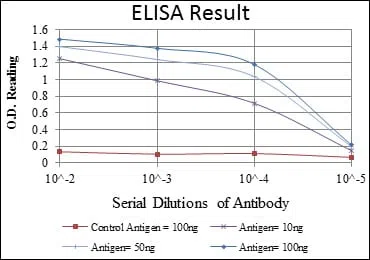
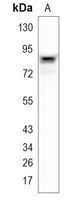
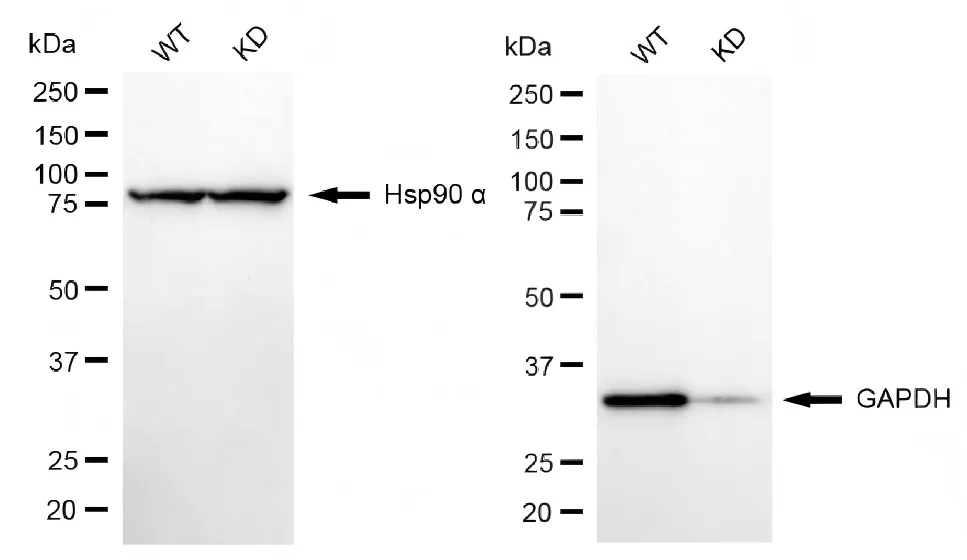
EnkiLife offers the KD-Validated MCM3 Recombinant Rabbit Monoclonal Antibody. This antibody reacts with Human,Mouse,Rat and is suitable for WB,FCM,ICC,IHC-P application. The product boasts remarkable high specificity, outstanding reproducibility, and exceptional affinity, making it a reliable and superior choice for your needs. Dilution Ratio: WB 1:1,000-1:5,000; FC 1:200-1:2,000; ICC 1:100-1:1,000; IHC-P 1:100-1:200 Alternative Names of Immunogen:MCM3; Minichromosome Maintenance Complex Component 3; DNA Polymerase Alpha Holoenzyme-Associated Protein P1; DNA Replication Licensing Factor MCM3; RLF Subunit Beta; P1-MCM3; P102; MCM3 Minichromosome Maintenance Deficient 3 (S. Cerevisiae); Minichromosome Maintenance Deficient (S. Cerevisiae) 3; MCM3 Minichromosome Maintenance Deficient 3; Replication Licensing Factor, Beta Subunit; Minichromosome Maintenance Deficient 3; Cervical Cancer Proto-Oncogene 5; DNA Replication Factor MCM3; HRlf Beta Subunit; EC 3.6.4.12; HCC5; P1.H; RLFB Background: The protein encoded by this gene is one of the highly conserved mini-chromosome maintenance proteins (MCM) that are involved in the initiation of eukaryotic genome replication. The hexameric protein complex formed by MCM proteins is a key component of the pre-replication complex (pre_RC) and may be involved in the formation of replication forks and in the recruitment of other DNA replication related proteins. This protein is a subunit of the protein complex that consists of MCM2-7. It has been shown to interact directly with MCM5/CDC46. This protein also interacts with and is acetylated by MCM3AP, a chromatin-associated acetyltransferase. The acetylation of this protein inhibits the initiation of DNA replication and cell cycle progression. Several transcript variants encoding different isoforms have been found for this gene. [provided by RefSeq, Oct 2018] Research Area: Epigenetics and Nuclear Signaling
More from EnkiLife