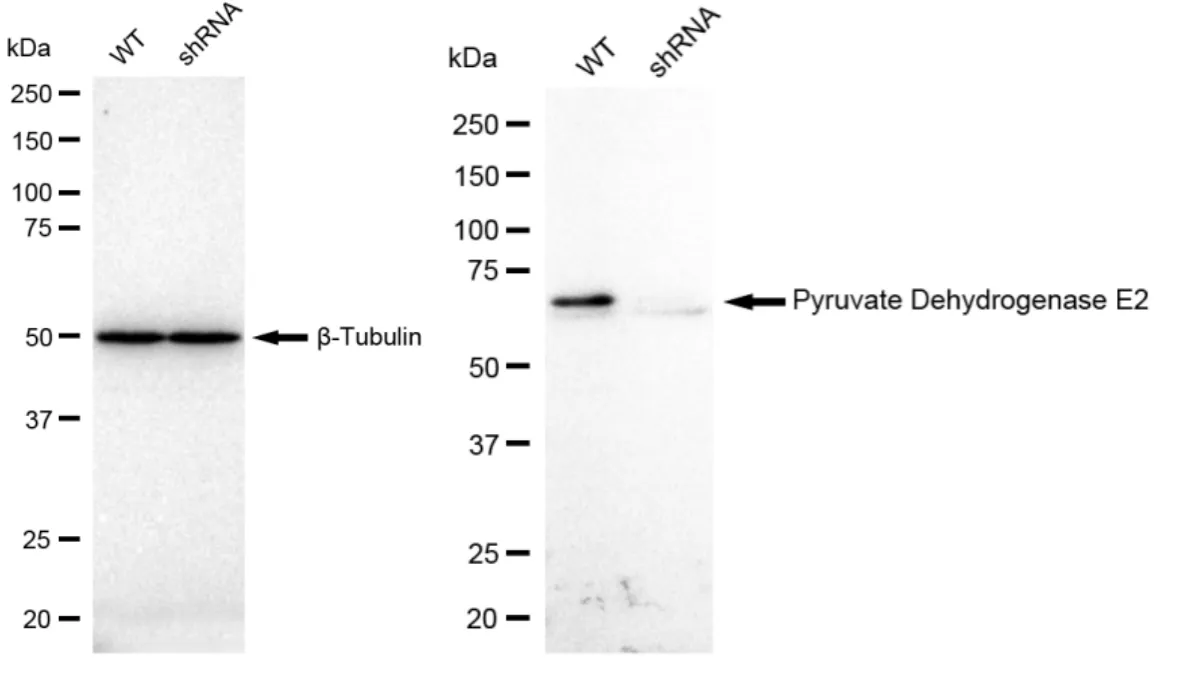
KD-Validated Pyruvate Dehydrogenase E2 Recombinant Rabbit Monoclonal Antibody
KVAb00977-50ul · 50ul
Verified Partner
Sign in to see pricing and request a quote.
Brand Store Product
No external links. Get your quote directly here.

Description
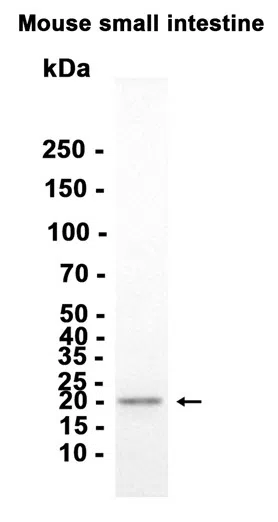
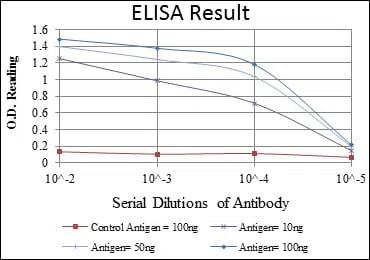
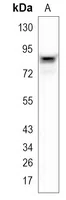
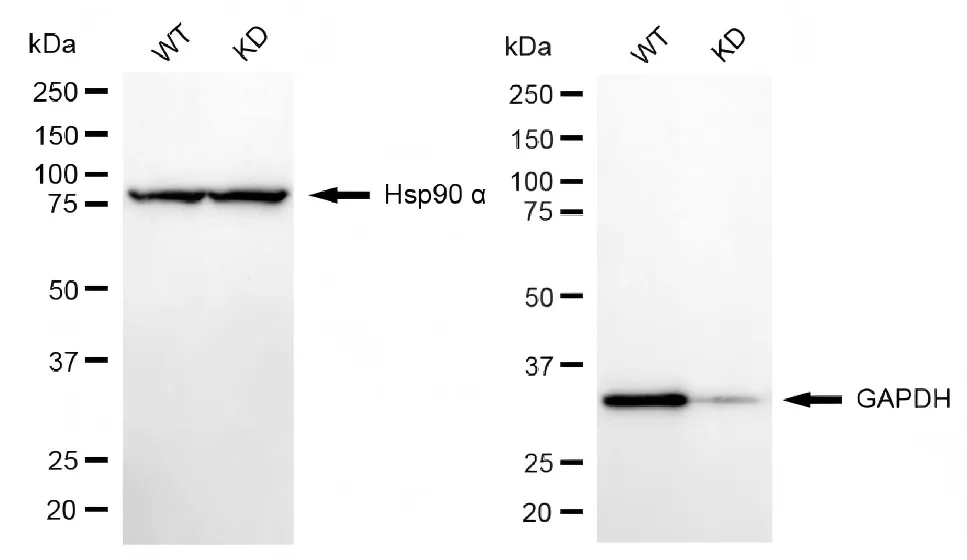
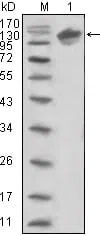
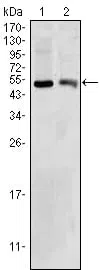
EnkiLife offers the KD-Validated Pyruvate Dehydrogenase E2 Recombinant Rabbit Monoclonal Antibody. This antibody reacts with Human,Mouse,Rat and is suitable for WB,FCM,ICC application. The product boasts remarkable high specificity, outstanding reproducibility, and exceptional affinity, making it a reliable and superior choice for your needs. Dilution Ratio: WB 1:1,000-1:5,000; FC 1:200-1:2,000; ICC 1:100-1:1,000 Alternative Names of Immunogen:DLAT; Dihydrolipoamide S-Acetyltransferase; PBC;DLTA; PDC-E2; PDCE2; M2 Antigen Complex 70 KDa Subunit; E2 Component Of Pyruvate Dehydrogenase Complex; EC 2.3.1.12; Dihydrolipoamide Acetyltransferase Component Of Pyruvate Dehydrogenase Complex; Dihydrolipoyllysine-Residue Acetyltransferase Component Of Pyruvate Dehydrogenase Complex Mitochondrial; Pyruvate Dehydrogenase Complex Component E2; 70 KDa Mitochondrial Autoantigen Of Primary Biliary Cirrhosis; EC 2.3.1 Background: This gene encodes component E2 of the multi-enzyme pyruvate dehydrogenase complex (PDC). PDC resides in the inner mitochondrial membrane and catalyzes the conversion of pyruvate to acetyl coenzyme A. The protein product of this gene, dihydrolipoamide acetyltransferase, accepts acetyl groups formed by the oxidative decarboxylation of pyruvate and transfers them to coenzyme A. Dihydrolipoamide acetyltransferase is the antigen for antimitochondrial antibodies. These autoantibodies are present in nearly 95% of patients with the autoimmune liver disease primary biliary cirrhosis (PBC). In PBC, activated T lymphocytes attack and destroy epithelial cells in the bile duct where this protein is abnormally distributed and overexpressed. PBC enventually leads to cirrhosis and liver failure. Mutations in this gene are also a cause of pyruvate dehydrogenase E2 deficiency which causes primary lactic acidosis in infancy and early childhood.[provided by RefSeq, Oct 2009] Research Area: Signal Transduction,Cancer,Metabolism
More from EnkiLife