KO-Validated FKBP Prolyl Isomerase 4 Recombinant Rabbit Monoclonal Antibody
KVAb00120-100ul · 100ul
Verified Partner
Sign in to see pricing and request a quote.
Brand Store Product
No external links. Get your quote directly here.
Description
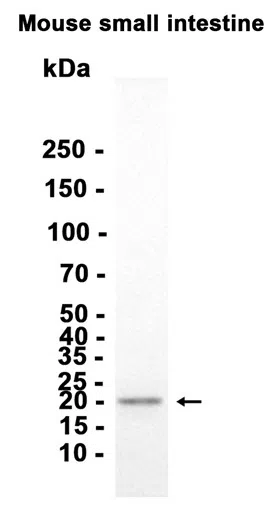
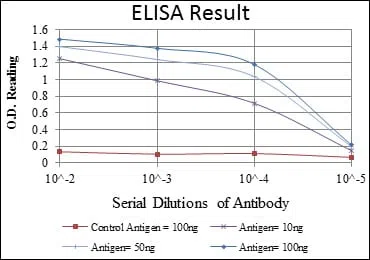
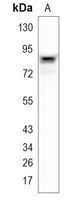
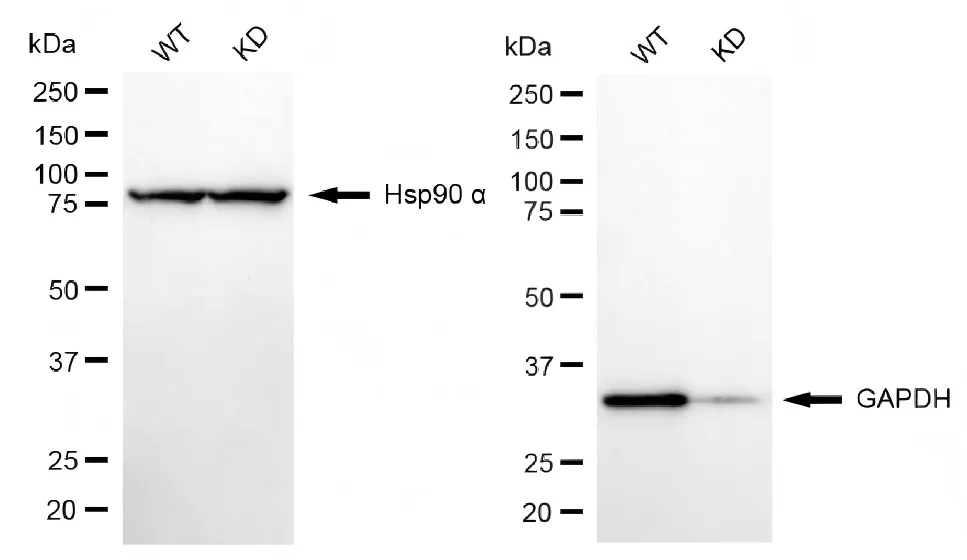
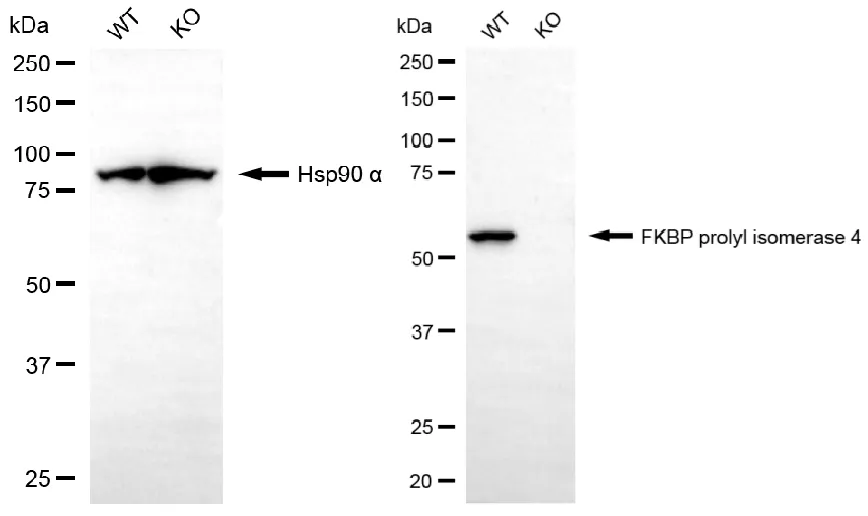
EnkiLife offers the KO-Validated FKBP Prolyl Isomerase 4 Recombinant Rabbit Monoclonal Antibody. This antibody reacts with Human,Mouse,Rat and is suitable for WB,FCM,ICC application. The product boasts remarkable high specificity, outstanding reproducibility, and exceptional affinity, making it a reliable and superior choice for your needs. Dilution Ratio: WB 1:2,000-1:10,000; FC 1:200-1:2,000; ICC 1:100-1:1,000 Alternative Names of Immunogen:FKBP4; FKBP Prolyl Isomerase 4; FKBP59; FKBP52; Peptidyl-Prolyl Cis-Trans Isomerase FKBP4; FK506 Binding Protein 4, 59kDa; EC 5.2.1.8; Rotamase; FKBP51; HBI; T-Cell FK506-Binding Protein, 59kD; Peptidylprolyl Cis-Trans Isomerase; FK506-Binding Protein 4 (59kD); 51 KDa FK506-Binding Protein; 52 KDa FK506-Binding Protein; HSP Binding Immunophilin; HSP-Binding Immunophilin; FK506 Binding; Protein 4; FK506-Binding Protein 4; 59 KDa Immunophilin; Immunophilin FKBP52; PPIase FKBP4; 52 KDa; FKBP; FKBP-52; PPIase; FKBP-4; Hsp56; P52; P59 Background: The protein encoded by this gene is a member of the immunophilin protein family, which play a role in immunoregulation and basic cellular processes involving protein folding and trafficking. This encoded protein is a cis-trans prolyl isomerase that binds to the immunosuppressants FK506 and rapamycin. It has high structural and functional similarity to FK506-binding protein 1A (FKBP1A), but unlike FKBP1A, this protein does not have immunosuppressant activity when complexed with FK506. It interacts with interferon regulatory factor-4 and plays an important role in immunoregulatory gene expression in B and T lymphocytes. This encoded protein is known to associate with phytanoyl-CoA alpha-hydroxylase. It can also associate with two heat shock proteins (hsp90 and hsp70) and thus may play a role in the intracellular trafficking of hetero-oligomeric forms of the steroid hormone receptors. This protein correlates strongly with adeno-associated virus type 2 vectors (AAV) resulting in a significant increase in AAV-mediated transgene expression in human cell lines. Thus this encoded protein is thought to have important implications for the optimal use of AAV vectors in human gene therapy. The human genome contains several non-transcribed pseudogenes similar to this gene. [provided by RefSeq, Sep 2008] Research Area: Signal Transduction,Epigenetics and Nuclear Signaling
More from EnkiLife