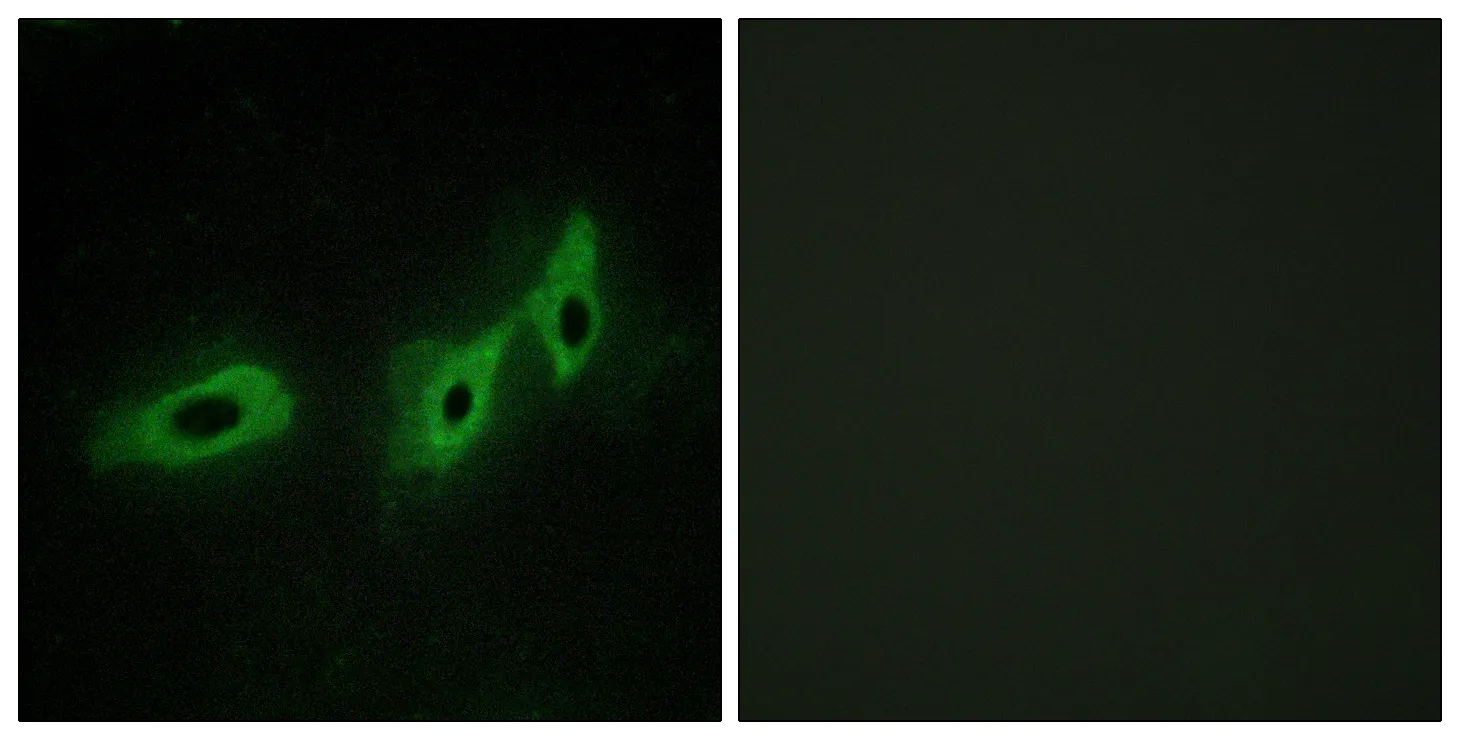
Midline-1 Rabbit Polyclonal Antibody
APRab13898-20μL · 20μL
Verified Partner
Sign in to see pricing and request a quote.
Brand Store Product
No external links. Get your quote directly here.

Description
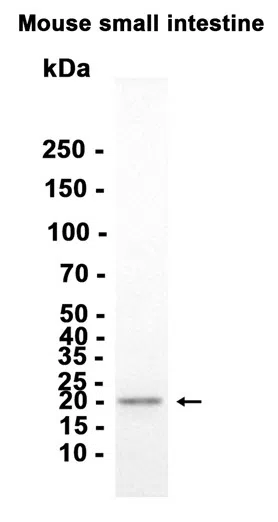
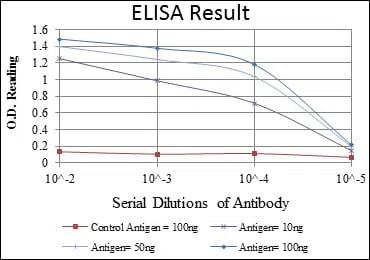
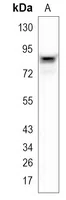
EnkiLife offers the Midline-1 Rabbit Polyclonal Antibody. This antibody reacts with Human,Mouse,Rat species and is suitable for WB,IHC,ICC/IF,ELISA application. Alternative Names of Immunogen: MID1; FXY; RNF59; TRIM18; XPRF; Midline-1; Midin; Midline 1 RING finger protein; Putative transcription factor XPRF; RING finger protein 59; Tripartite motif-containing protein 18. The product boasts remarkable high specificity, outstanding reproducibility, and exceptional affinity, making it a reliable and superior choice for your needs. Dilution Ratio: WB 1:500-1:2000,IHC 1:100-1:300,ICC/IF 1:200-1:1000,ELISA 1:20000-1:40000 Background: midline 1(MID1) Homo sapiens The protein encoded by this gene is a member of the tripartite motif (TRIM) family, also known as the 'RING-B box-coiled coil' (RBCC) subgroup of RING finger proteins. The TRIM motif includes three zinc-binding domains, a RING, a B-box type 1 and a B-box type 2, and a coiled-coil region. This protein forms homodimers which associate with microtubules in the cytoplasm. The protein is likely involved in the formation of multiprotein structures acting as anchor points to microtubules. Mutations in this gene have been associated with the X-linked form of Opitz syndrome, which is characterized by midline abnormalities such as cleft lip, laryngeal cleft, heart defects, hypospadias, and agenesis of the corpus callosum. This gene was also the first example of a gene subject to X inactivation in human while escaping it in mouse. Multiple different transcript variants are generated by alternate splicing; however, tdisease:Defects in MID1 are the cause of Opitz syndrome type I (OS-I) [MIM:300000]. OS-I is an X-linked recessive disorder characterized by hypertelorism, genital-urinary defects such as hypospadias in males and splayed labia in females, lip-palate-laryngotracheal clefts, imperforate anus, developmental delay and congenital heart defects. OS-I mutations produce proteins with a decreased affinity for microtubules.,function:May have E3 ubiquitin ligase activity which targets the catalytic subunit of protein phosphatase 2 for degradation.,induction:A retroviral element acts as an alternative tissue-specific promoter for this gene. The LTR of an HERV-E element enhances the expression in placenta and embryonic kidney.,PTM:Phosphorylated on serine and threonine residues.,similarity:Belongs to the TRIM/RBCC family.,similarity:Contains 1 B30.2/SPRY domain.,similarity:Contains 1 COS domain.,similarity:Contains 1 fibronectin type-III domain.,similarity:Contains 1 RING-type zinc finger.,similarity:Contains 2 B box-type zinc fingers.,subcellular location:Microtubule-associated. It is associated with microtubules throughout the cell cycle, co-localizing with cytoplasmic fibers in interphase and with the mitotic spindle and midbodies during mitosis and cytokinesis.,subunit:Homodimer or heterodimer with MID2. Interacts with IGBP1.,tissue specificity:In the fetus, highest expression found in kidney, followed by brain and lung. Expressed at low levels in fetal liver. In the adult, most abundant in heart, placenta and brain., Research Area: Ubiquitin mediated proteolysis;
More from EnkiLife