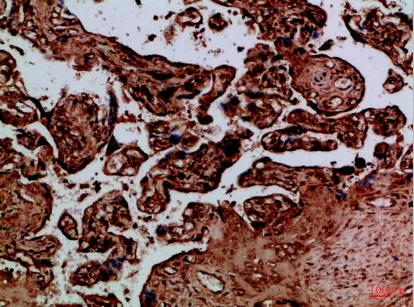
NAIP Rabbit Polyclonal Antibody
APRab14394-50μL · 50μL
Verified Partner
Sign in to see pricing and request a quote.
Brand Store Product
No external links. Get your quote directly here.

Description
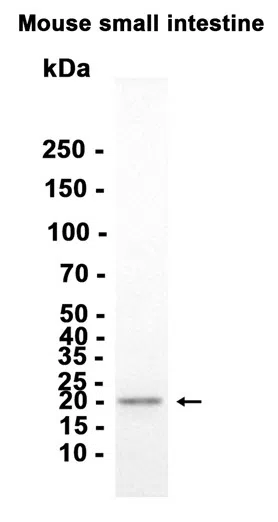
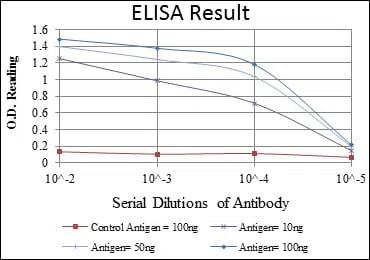
EnkiLife offers the NAIP Rabbit Polyclonal Antibody. This antibody reacts with Human,Mouse species and is suitable for IHC,ICC/IF,ELISA application. Alternative Names of Immunogen: Baculoviral IAP repeat-containing protein 1 (Neuronal apoptosis inhibitory protein). The product boasts remarkable high specificity, outstanding reproducibility, and exceptional affinity, making it a reliable and superior choice for your needs. Dilution Ratio: IHC 1:50-1:200,ICC/IF 1:50-1:200,ELISA 1:10000-1:20000 Background: This gene is part of a 500 kb inverted duplication on chromosome 5q13. This duplicated region contains at least four genes and repetitive elements which make it prone to rearrangements and deletions. The repetitiveness and complexity of the sequence have also caused difficulty in determining the organization of this genomic region. This copy of the gene is full length; additional copies with truncations and internal deletions are also present in this region of chromosome 5q13. It is thought that this gene is a modifier of spinal muscular atrophy caused by mutations in a neighboring gene, SMN1. The protein encoded by this gene contains regions of homology to two baculovirus inhibitor of apoptosis proteins, and it is able to suppress apoptosis induced by various signals. Alternatively spliced transcript variants encoding distinct isoforms have been found for this gene. [provided by Refdisease:Mutated or deleted forms of NAIP have been found in individuals with severe spinal muscular atrophy (SMA) leading to the hypothesis that mutations in the NAIP locus may contribute to the SMA phenotype.,function:Prevents motor-neuron apoptosis induced by a variety of signals.,similarity:Contains 1 NACHT domain.,similarity:Contains 3 BIR repeats.,tissue specificity:Expressed in motor neurons, but not in sensory neurons. Found in liver and placenta, and to a lesser extent in spinal cord., Research Area: NOD-like receptor;
More from EnkiLife