ND1 Rabbit Polyclonal Antibody
APRab14463-50μL · 50μL
Verified Partner
Sign in to see pricing and request a quote.
Brand Store Product
No external links. Get your quote directly here.

Description
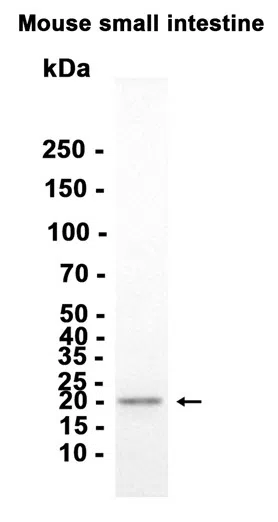
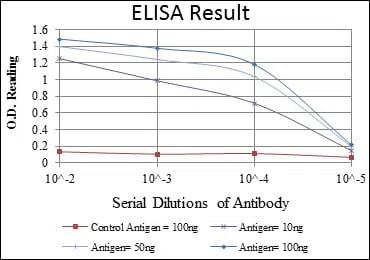
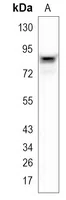
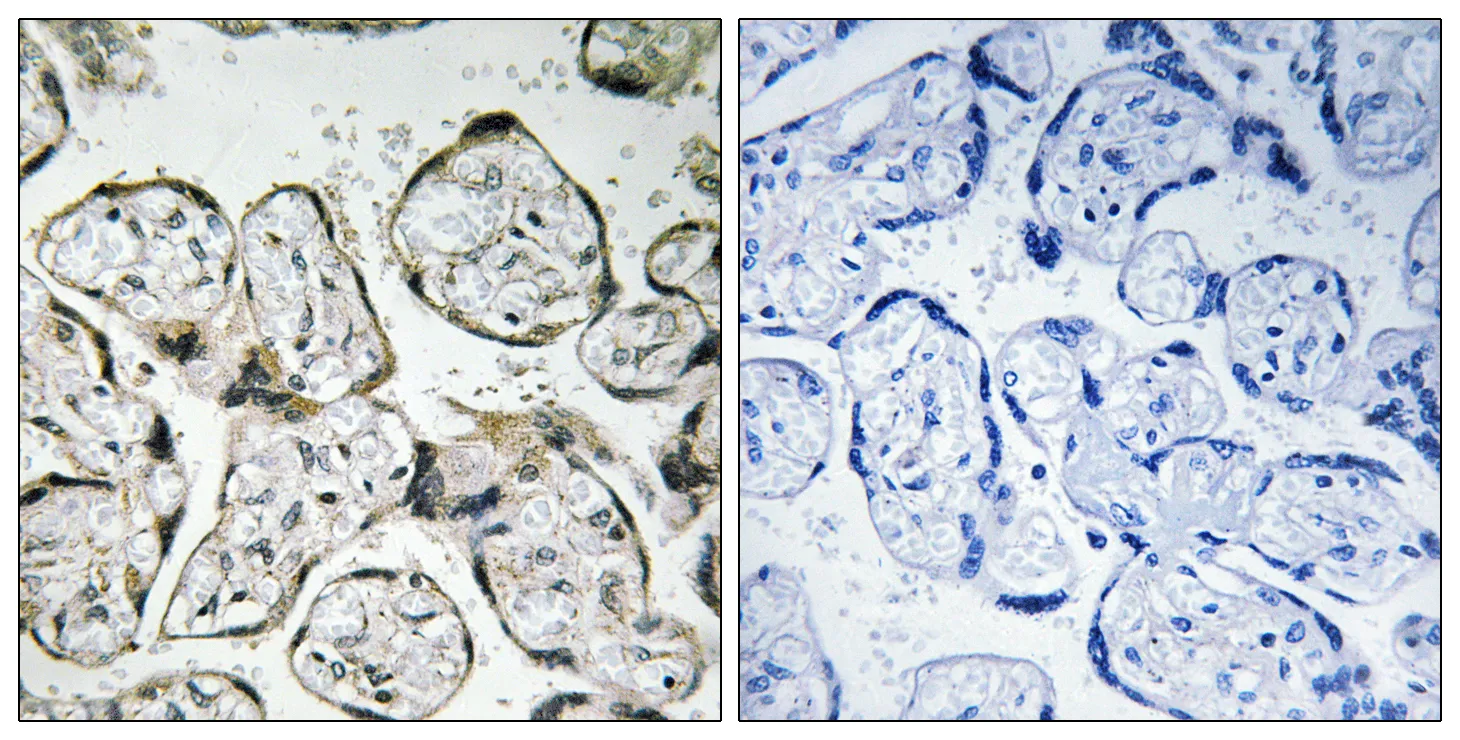
EnkiLife offers the ND1 Rabbit Polyclonal Antibody. This antibody reacts with Human,Rat,Mouse species and is suitable for WB,IHC,ICC/IF,ELISA application. Alternative Names of Immunogen: MT-ND1; MTND1; NADH1; ND1; NADH-ubiquinone oxidoreductase chain 1; NADH dehydrogenase subunit 1. The product boasts remarkable high specificity, outstanding reproducibility, and exceptional affinity, making it a reliable and superior choice for your needs. Dilution Ratio: WB 1:500-1:2000,IHC 1:100-1:300,ICC/IF 1:50-1:200,ELISA 1:20000-1:40000 Background: catalytic activity:NADH + ubiquinone = NAD(+) + ubiquinol. disease:Defects in MT-ND1 are a cause of Leber hereditary optic neuropathy (LHON) [MIM:535000]. LHON is a maternally inherited disease resulting in acute or subacute loss of central vision, due to optic nerve dysfunction. Cardiac conduction defects and neurological defects have also been described in some patients. LHON results from primary mitochondrial DNA mutations affecting the respiratory chain complexes. disease:Defects in MT-ND1 are a cause of mitochondrial encephalomyopathy with lactic acidosis and stroke-like episodes syndrome (MELAS) [MIM:540000]. MELAS is a genetically heterogenious disorder, characterized by episodic vomiting, seizures, and recurrent cerebral insults resembling strokes and causing hemiparesis, hemianopsia, or cortical blindness. disease:Defects in MT-ND1 may be associated with mitochondrial susceptibility to Alzheimer disease (AD) [MIM:502500]. disease:Defects in MT-ND1 may be associated with non-insulin-dependent diabetes mellitus (NIDDM). function:Core subunit of the mitochondrial membrane respiratory chain NADH dehydrogenase (Complex I) that is believed to belong to the minimal assembly required for catalysis. Complex I functions in the transfer of electrons from NADH to the respiratory chain. The immediate electron acceptor for the enzyme is believed to be ubiquinone. similarity:Belongs to the complex I subunit 1 family. Research Area:Oxidative phosphorylation;Parkinson's disease;
More from EnkiLife