P2RY13 Rabbit Polyclonal Antibody
APRab15601-20μL · 20μL
Verified Partner
Sign in to see pricing and request a quote.
Brand Store Product
No external links. Get your quote directly here.

Description
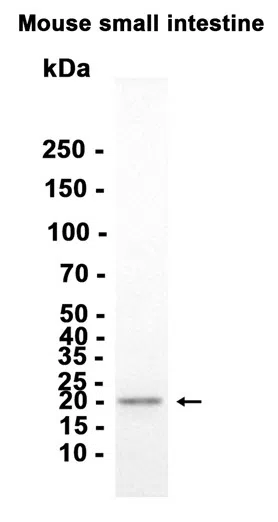
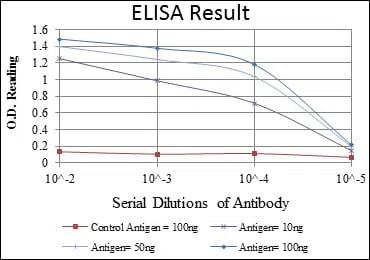
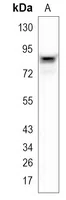
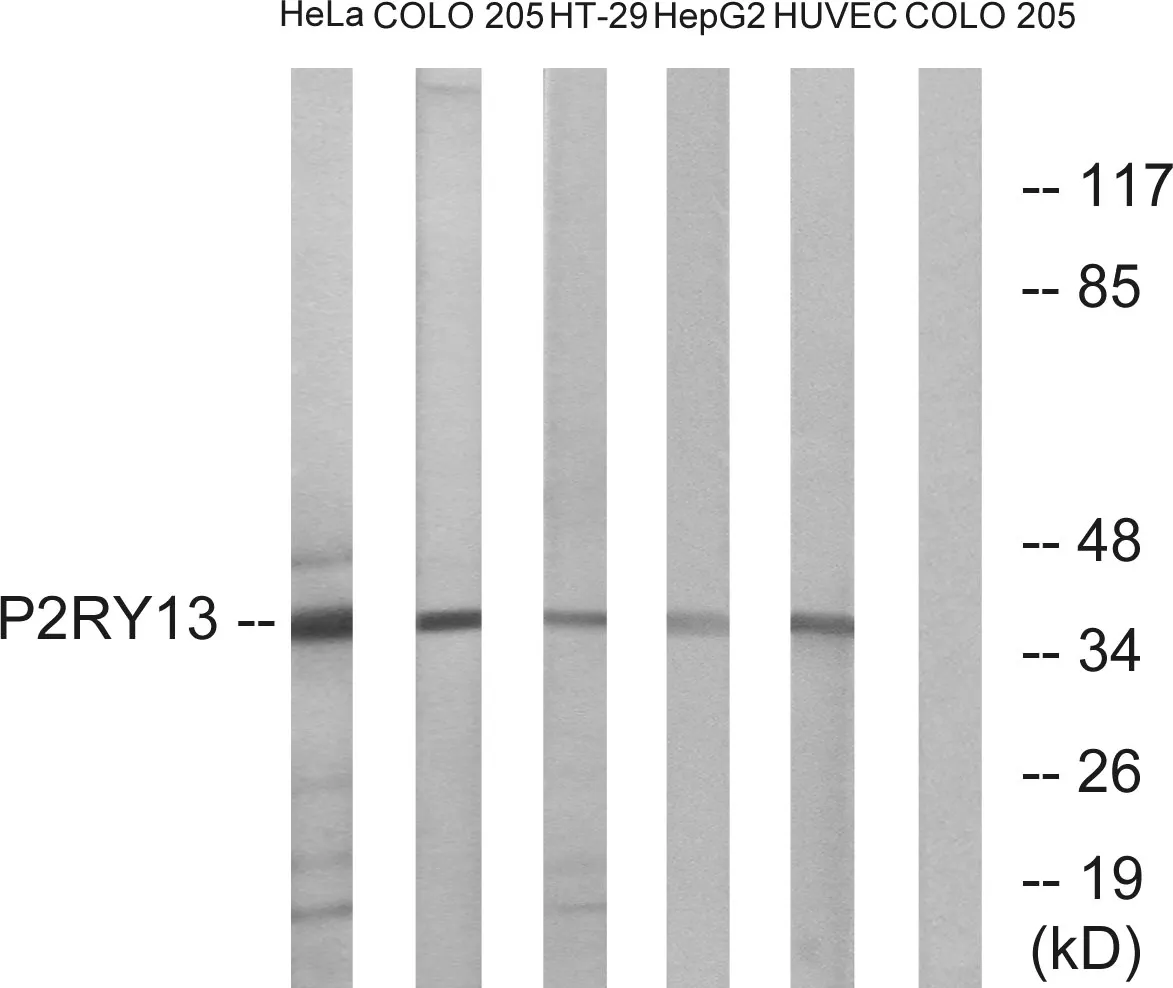
EnkiLife offers the P2RY13 Rabbit Polyclonal Antibody. This antibody reacts with Human,Rat species and is suitable for WB,IHC,ICC/IF,ELISA application. Alternative Names of Immunogen: P2RY13; GPR86; GPR94; FKSG77; P2Y purinoceptor 13; P2Y13; G-protein coupled receptor 86; G-protein coupled receptor 94. The product boasts remarkable high specificity, outstanding reproducibility, and exceptional affinity, making it a reliable and superior choice for your needs. Dilution Ratio: WB 1:500-1:2000,IHC 1:100-1:300,ICC/IF 1:200-1:1000,ELISA 1:10000-1:20000 Background: The product of this gene belongs to the family of G-protein coupled receptors. This family has several receptor subtypes with different pharmacological selectivity, which overlaps in some cases, for various adenosine and uridine nucleotides. This receptor is activated by ADP. [provided by RefSeq, Sep 2008],function:Receptor for ADP. Coupled to G(i)-proteins. May play a role in hematopoiesis and the immune system.,miscellaneous:Stimulation by ADP in stably transfected CHO cells resulted in inhibition of adenylyl cyclase and the phosphorylation of the MAP kinases MAPK3 and MAPK1 in a pertussis toxin-sensitive way. Inhibition of adenylyl cyclase and phosphorylation of the MAP kinases are transduction mechanisms that involve G(i) proteins.,sequence caution:Contaminating sequence. Potential poly-A sequence.,similarity:Belongs to the G-protein coupled receptor 1 family.,tissue specificity:Strong expression in spleen and adult brain. Lower expression in placenta, lung, liver, spinal cord, thymus, small intestine, uterus, stomach, testis, fetal brain, and adrenal gland. Not detected in pancreas, heart, kidney, skeletal muscle, ovary or fetal aorta. Clearly detected in lymph node and bone marrow, weakly detected in peripheral blood mononuclear cells (PBMC) and in peripheral blood leukocytes (PBL), but not detected in polymorphonuclear cells (PMN). In the brain, detected in all brain regions examined., Research Area: Neuroactive ligand-receptor interaction;
More from EnkiLife