PEPCK-C Rabbit Polyclonal Antibody
APRab15963-20μL · 20μL
Verified Partner
Sign in to see pricing and request a quote.
Brand Store Product
No external links. Get your quote directly here.

Description
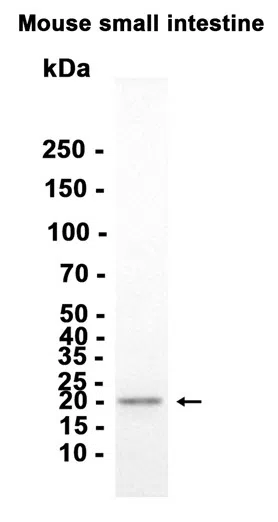
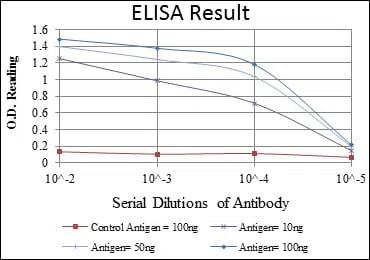
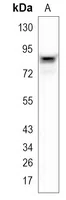
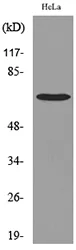
EnkiLife offers the PEPCK-C Rabbit Polyclonal Antibody. This antibody reacts with Human,Mouse,Rat species and is suitable for WB,IHC,ICC/IF,ELISA application. Alternative Names of Immunogen: PCK1; PEPCK1; Phosphoenolpyruvate carboxykinase, cytosolic [GTP]; PEPCK-C; Phosphoenolpyruvate carboxylase. The product boasts remarkable high specificity, outstanding reproducibility, and exceptional affinity, making it a reliable and superior choice for your needs. Dilution Ratio: WB 1:500-1:2000,IHC 1:100-1:300,ICC/IF 1:50-1:200,ELISA 1:10000-1:20000 Background: This gene is a main control point for the regulation of gluconeogenesis. The cytosolic enzyme encoded by this gene, along with GTP, catalyzes the formation of phosphoenolpyruvate from oxaloacetate, with the release of carbon dioxide and GDP. The expression of this gene can be regulated by insulin, glucocorticoids, glucagon, cAMP, and diet. Defects in this gene are a cause of cytosolic phosphoenolpyruvate carboxykinase deficiency. A mitochondrial isozyme of the encoded protein also has been characterized. [provided by RefSeq, Jul 2008],catalytic activity:GTP + oxaloacetate = GDP + phosphoenolpyruvate + CO(2).,cofactor:Binds 1 manganese ion per subunit.,disease:Defects in PCK1 are the cause of cytosolic phosphoenolpyruvate carboxykinase deficiency (cytosolic PEPCK deficiency) [MIM:261680]. PEPCK deficiency is a metabolic disorder resulting from impaired gluconeogenesis. It is a rare disease with less than 10 cases reported in the literature. Clinical characteristics include hypotonia, hepatomegaly, failure to thrive, lactic acidosis and hypoglycaemia. Autoposy reveals fatty infiltration of both the liver and kidneys. The disorder is transmitted as an autosomal recessive trait.,enzyme regulation:Activity is affected by a number of hormones regulating this metabolic process (such as glucagon, insulin, or glucocorticoids).,function:Catalyzes the conversion of oxaloacetate (OAA) to phosphoenolpyruvate (PEP), the rate-limiting step in the metabolic pathway that produces glucose from lactate and other precursors derived from the citric acid cycle.,miscellaneous:In eukaryotes there are two isozymes: a cytoplasmic one and a mitochondrial one.,pathway:Carbohydrate biosynthesis; gluconeogenesis.,similarity:Belongs to the phosphoenolpyruvate carboxykinase [GTP] family.,subunit:Monomer.,tissue specificity:Major sites of expression are liver, kidney and adipocytes., Research Area: Glycolysis / Gluconeogenesis;Citrate cycle (TCA cycle);Pyruvate metabolism;PPAR;Insulin_Receptor;Adipocytokine;
More from EnkiLife