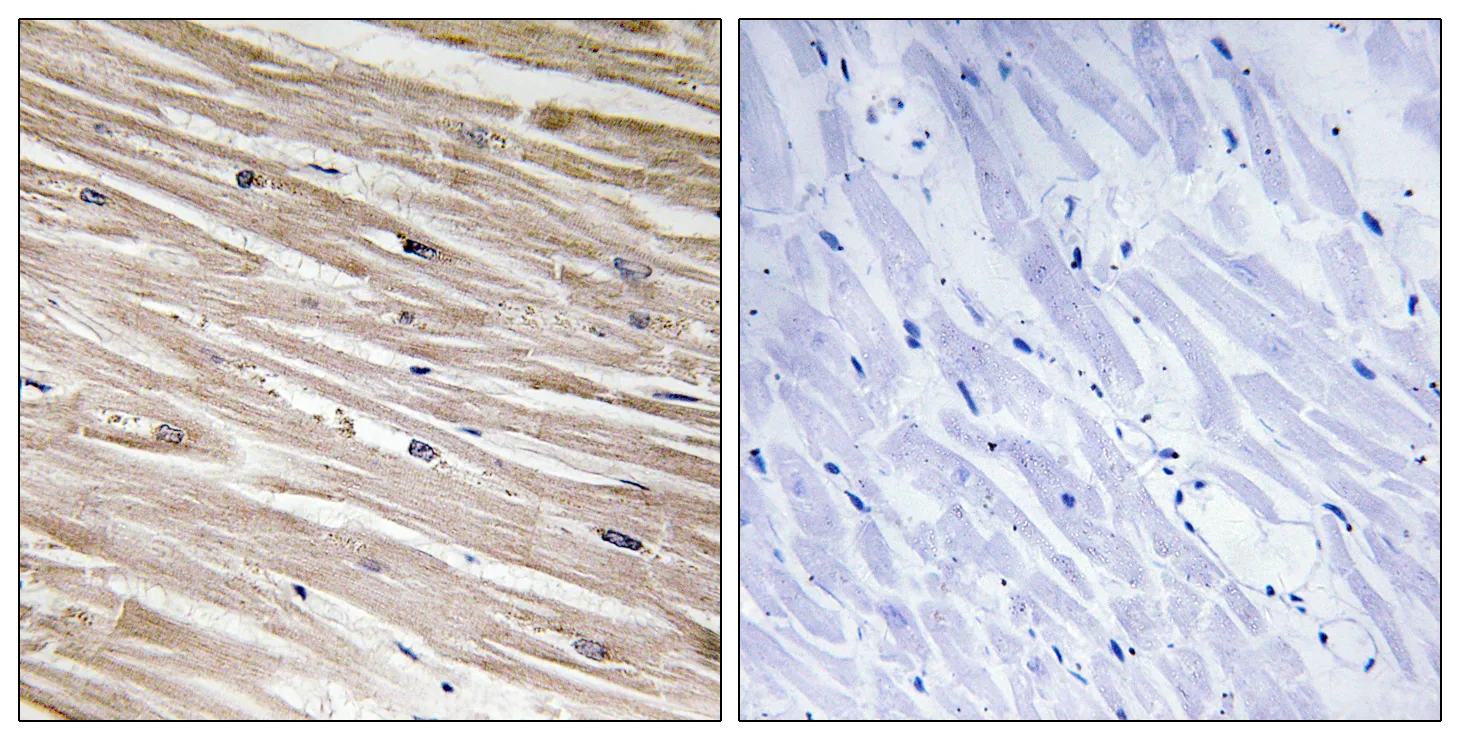
Phospho-PEA-15 (Ser104) Rabbit Polyclonal Antibody
APRab05237-20μL · 20μL
Verified Partner
Sign in to see pricing and request a quote.
Brand Store Product
No external links. Get your quote directly here.

Description
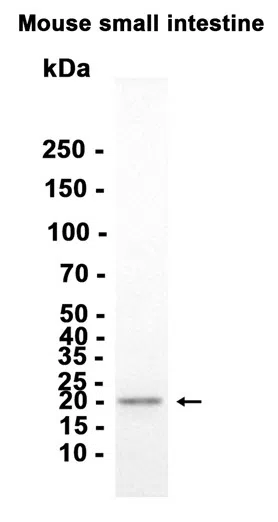
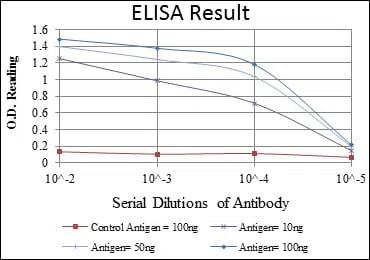
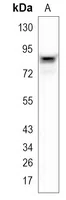
EnkiLife offers the Phospho-PEA-15 (Ser104) Rabbit Polyclonal Antibody. This antibody reacts with Human,Mouse,Rat,Monkey species and is suitable for WB,IHC,ICC/IF,ELISA application. Alternative Names of Immunogen: PEA15; Astrocytic phosphoprotein PEA-15; 15 kDa phosphoprotein enriched in astrocytes; Phosphoprotein enriched in diabetes; PED. The product boasts remarkable high specificity, outstanding reproducibility, and exceptional affinity, making it a reliable and superior choice for your needs. Dilution Ratio: WB 1:500-1:2000,IHC 1:100-1:300,ICC/IF 1:50-1:200,ELISA 1:10000-1:20000 Background: phosphoprotein enriched in astrocytes 15(PEA15) Homo sapiens This gene encodes a death effector domain-containing protein that functions as a negative regulator of apoptosis. The encoded protein is an endogenous substrate for protein kinase C. This protein is also overexpressed in type 2 diabetes mellitus, where it may contribute to insulin resistance in glucose uptake. Alternative splicing results in multiple transcript variants. [provided by RefSeq, Jul 2014],function:Blocks Ras-mediated inhibition of integrin activation and modulates the ERK MAP kinase cascade. Inhibits RPS6KA3 activities by retaining it in the cytoplasm (By similarity). Inhibits both TNFRSF6- and TNFRSF1A-mediated CASP8 activity and apoptosis. Regulates glucose transport by controlling both the content of SLC2A1 glucose transporters on the plasma membrane and the insulin-dependent trafficking of SLC2A4 from the cell interior to the surface.,PTM:Phosphorylated by protein kinase C and calcium-calmodulin-dependent protein kinase. These phosphorylation events are modulated by neurotransmitters or hormones.,similarity:Contains 1 DED (death effector) domain.,subcellular location:Associated with microtubules.,subunit:Binds RPS6KA3, MAPK3 and MAPK1. Transient interaction with PLD1 and PLD2 (By similarity). Interacts with CASP8 and FADD.,tissue specificity:Ubiquitously expressed. Most abundant in tissues such as heart, brain, muscle and adipose tissue which utilize glucose as an energy source. Lower expression in glucose-producing tissues. Higher levels of expression are found in tissues from individuals with type 2 diabetes than in controls.,
More from EnkiLife