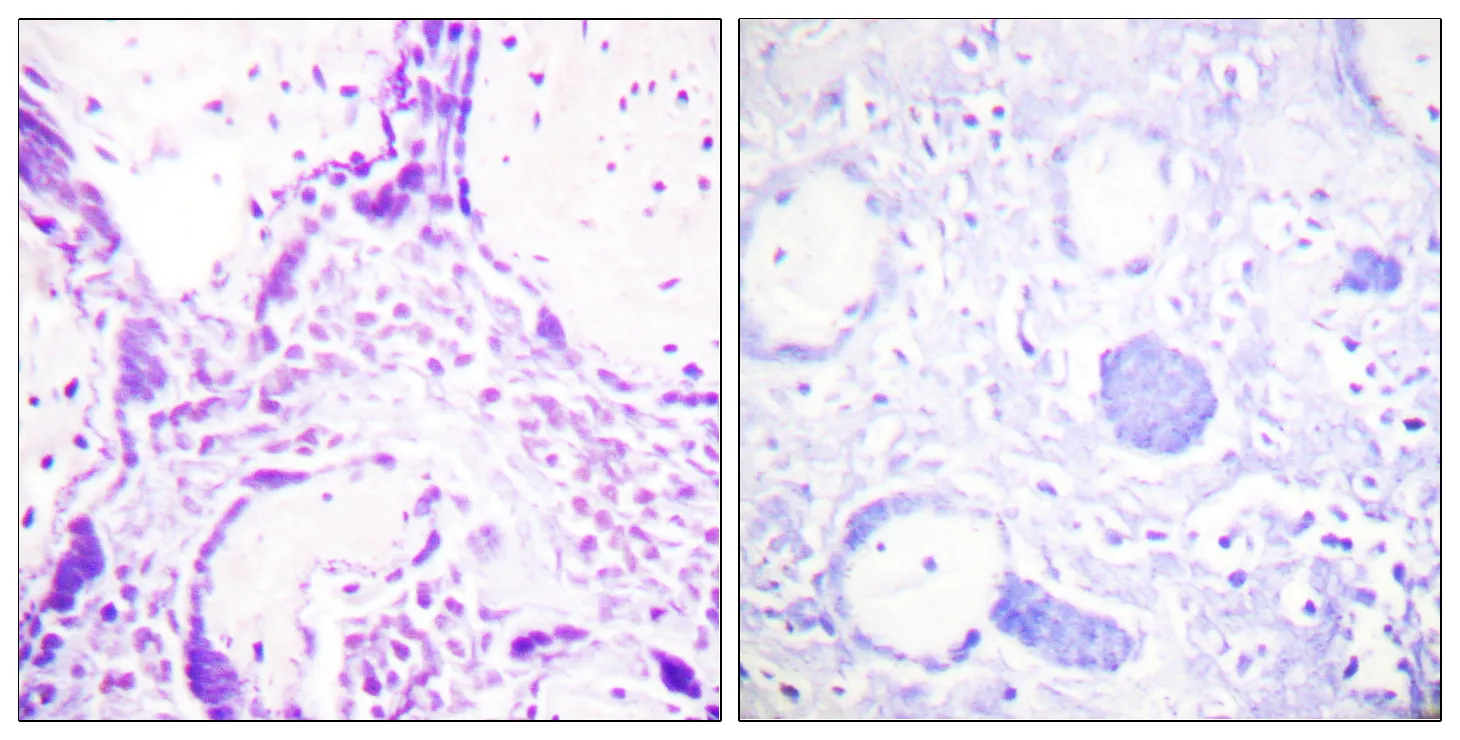
PPAR-γ Rabbit Polyclonal Antibody
APRab16412-100μL · 100μL
Verified Partner
Sign in to see pricing and request a quote.
Brand Store Product
No external links. Get your quote directly here.

Description
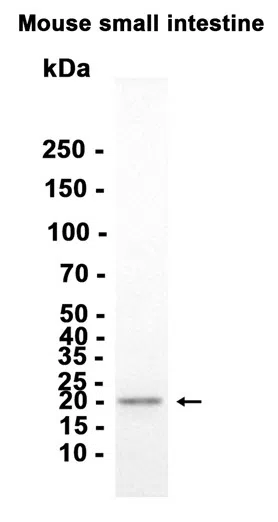
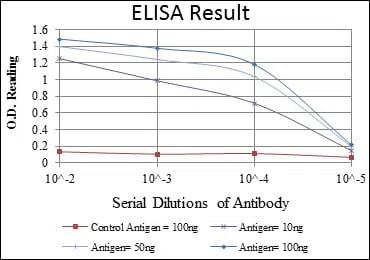
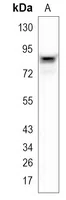
EnkiLife offers the PPAR-γ Rabbit Polyclonal Antibody. This antibody reacts with Human,Mouse,Rat species and is suitable for WB,IHC,ICC/IF,ELISA application. Alternative Names of Immunogen: PPARG; NR1C3; Peroxisome proliferator-activated receptor gamma; PPAR-gamma; Nuclear receptor subfamily 1 group C member 3. The product boasts remarkable high specificity, outstanding reproducibility, and exceptional affinity, making it a reliable and superior choice for your needs. Dilution Ratio: WB 1:500-1:2000,IHC 1:100-1:300,ICC/IF 1:50-1:200,ELISA 1:5000-1:20000 Background: peroxisome proliferator activated receptor gamma(PPARG) Homo sapiens This gene encodes a member of the peroxisome proliferator-activated receptor (PPAR) subfamily of nuclear receptors. PPARs form heterodimers with retinoid X receptors (RXRs) and these heterodimers regulate transcription of various genes. Three subtypes of PPARs are known: PPAR-alpha, PPAR-delta, and PPAR-gamma. The protein encoded by this gene is PPAR-gamma and is a regulator of adipocyte differentiation. Additionally, PPAR-gamma has been implicated in the pathology of numerous diseases including obesity, diabetes, atherosclerosis and cancer. Alternatively spliced transcript variants that encode different isoforms have been described. [provided by RefSeq, Jul 2008],alternative products:Additional isoforms seem to exist,disease:Defects in PPARG are the cause of familial partial lipodystrophy type 3 (FPLD3) [MIM:604367]. Familial partial lipodystrophies (FPLD) are a heterogeneous group of genetic disorders characterized by marked loss of subcutaneous (sc) fat from the extremities. Affected individuals show an increased preponderance of insulin resistance, diabetes mellitus and dyslipidemia.,disease:Defects in PPARG can lead to type 2 insulin-resistant diabetes and hyptertension.,disease:Defects in PPARG may be associated with colon cancer.,disease:Defects in PPARG may be associated with susceptibility to obesity [MIM:601665].,disease:Variation in PPARG is associated with carotid intimal medial thickness 1 (CIMT1) [MIM:609338]. CIMT is a measure of atherosclerosis that is independently associated with traditional atherosclerotic cardiovascular disease risk factors and coronary atherosclerotic burden. 35 to 45% of the variability in multivariable-adjusted CIMT is explained by genetic factors.,function:Receptor that binds peroxisome proliferators such as hypolipidemic drugs and fatty acids. Once activated by a ligand, the receptor binds to a promoter element in the gene for acyl-CoA oxidase and activates its transcription. It therefore controls the peroxisomal beta-oxidation pathway of fatty acids. Key regulator of adipocyte differentiation and glucose homeostasis.,online information:Peroxisome proliferator-activated receptor entry,online information:The Singapore human mutation and polymorphism database,polymorphism:Genetic variation in PPARG may influence body mass index (BMI) [MIM:606641]. BMI reflects the amount of fat, lean mass, and body build.,similarity:Belongs to the nuclear hormone receptor family.,similarity:Belongs to the nuclear hormone receptor family. NR1 subfamily.,similarity:Contains 1 nuclear receptor DNA-binding domain.,subunit:Forms a heterodimer with the retinoic acid receptor RXRA called adipocyte-specific transcription factor ARF6. Interacts with NCOA6 coactivator, leading to a strong increase in transcription of target genes. Interacts with coactivator PPARBP, leading to a mild increase in transcription of target genes. Interacts with FAM120B (By similarity). Interacts with NOCA7 in a ligand-inducible manner. Interacts with NCOA1 LXXLL motifs. Interacts with TGFB1I1. Interacts with DNTTIP2.,tissue specificity:Highest expression in adipose tissue. Lower in skeletal muscle, spleen, heart and liver. Also detectable in placenta, lung and ovary., Research Area: Protein_Acetylation
More from EnkiLife