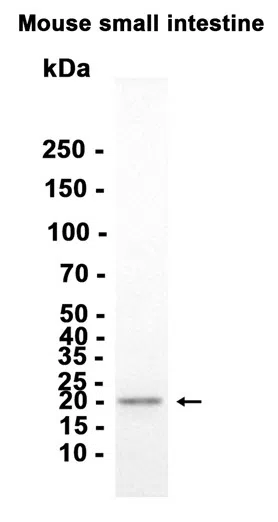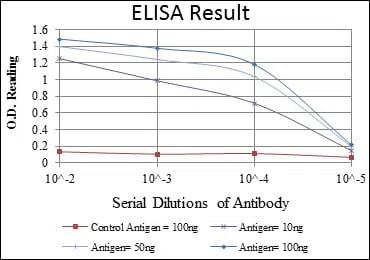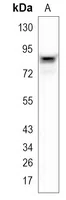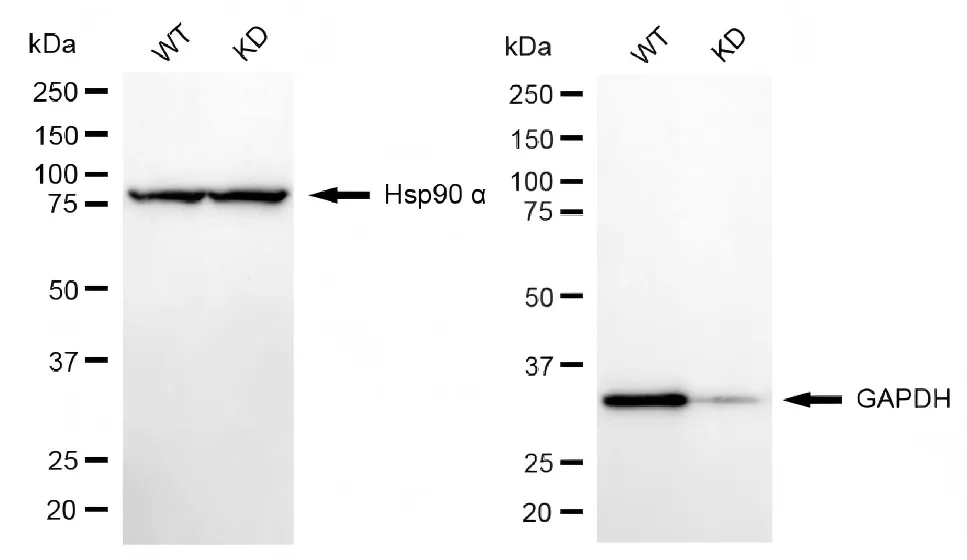
PYK2 Rabbit Polyclonal Antibody
APRab16716-20μL · 20μL
Verified Partner
Sign in to see pricing and request a quote.
Brand Store Product
No external links. Get your quote directly here.

Description
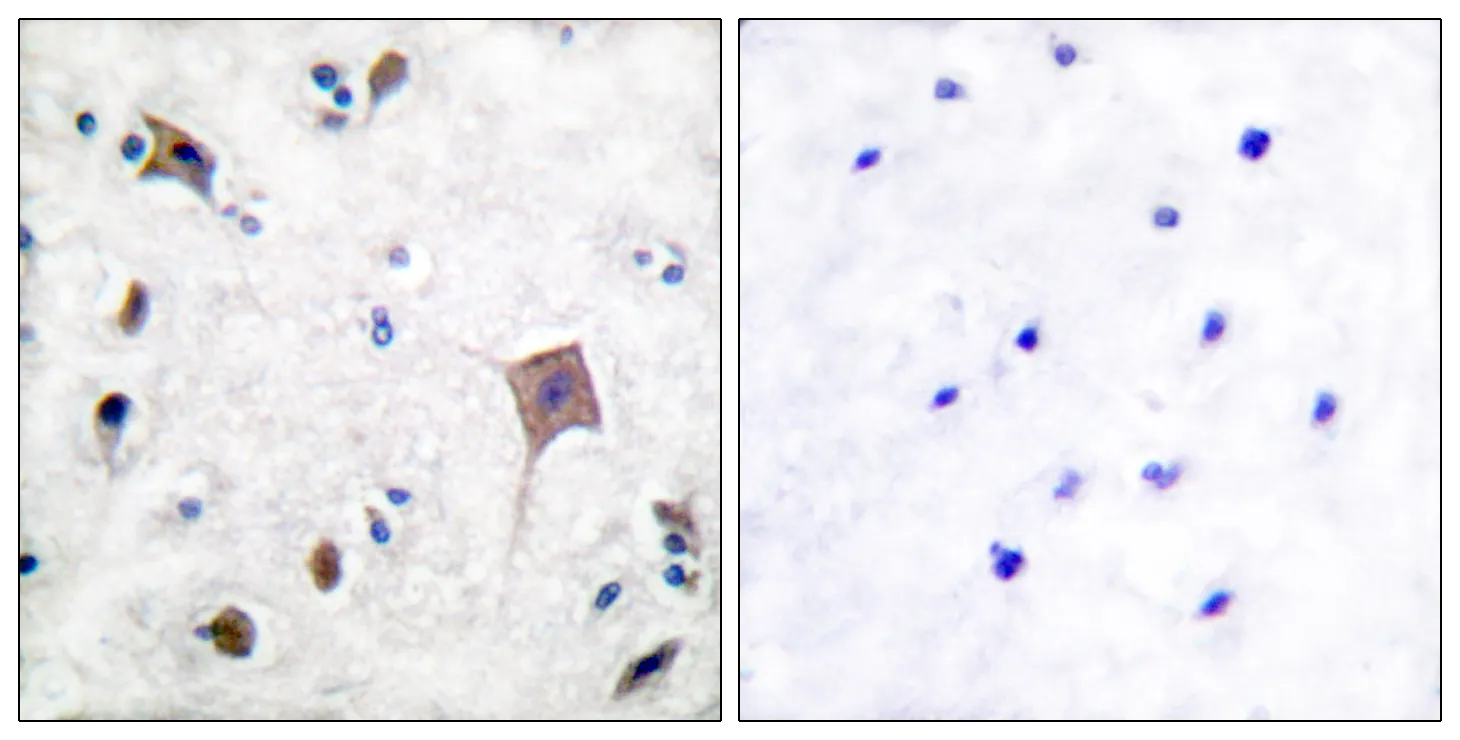
EnkiLife offers the PYK2 Rabbit Polyclonal Antibody. This antibody reacts with Human,Mouse,Rat,Monkey species and is suitable for WB,IHC,ICC/IF,ELISA application. Alternative Names of Immunogen: PTK2B; FAK2; PYK2; RAFTK; Protein-tyrosine kinase 2-beta; Calcium-dependent tyrosine kinase; CADTK; Calcium-regulated non-receptor proline-rich tyrosine kinase; Cell adhesion kinase beta; CAK-beta; CAKB; Focal adhesion kinase 2; FADK 2; Pro. The product boasts remarkable high specificity, outstanding reproducibility, and exceptional affinity, making it a reliable and superior choice for your needs. Dilution Ratio: WB 1:500-1:2000,IHC 1:100-1:300,ICC/IF 1:50-1:200,ELISA 1:5000-1:20000 Background: This gene encodes a cytoplasmic protein tyrosine kinase which is involved in calcium-induced regulation of ion channels and activation of the map kinase signaling pathway. The encoded protein may represent an important signaling intermediate between neuropeptide-activated receptors or neurotransmitters that increase calcium flux and the downstream signals that regulate neuronal activity. The encoded protein undergoes rapid tyrosine phosphorylation and activation in response to increases in the intracellular calcium concentration, nicotinic acetylcholine receptor activation, membrane depolarization, or protein kinase C activation. This protein has been shown to bind CRK-associated substrate, nephrocystin, GTPase regulator associated with FAK, and the SH2 domain of GRB2. The encoded protein is a member of the FAK subfamily of protein tyrosine kinases but lacks significant sequence similarity tcatalytic activity:ATP + a [protein]-L-tyrosine = ADP + a [protein]-L-tyrosine phosphate.,function:Involved in calcium induced regulation of ion channel and activation of the map kinase signaling pathway. May represent an important signaling intermediate between neuropeptide activated receptors or neurotransmitters that increase calcium flux and the downstream signals that regulate neuronal activity. Interacts with the SH2 domain of Grb2. May phosphorylate the voltage-gated potassium channel protein Kv1.2. Its activation is highly correlated with the stimulation of c-Jun N-terminal kinase activity. Involved in osmotic stress-dependent SNCA 'Tyr-125' phosphorylation.,PTM:Phosphorylated on tyrosine residues in response to various stimuli that elevate the intracellular calcium concentration, as well as by PKC activation. Recruitment by nephrocystin to cell matrix adhesions initiates Tyr-402 phosphorylation. In monocytes, adherence to substrata is required for tyrosine phosphorylation and kinase activation. Angiotensin II, thapsigargin and L-alpha-lysophosphatidic acid (LPA) also induce autophosphorylation and increase kinase activity.,similarity:Belongs to the protein kinase superfamily. Tyr protein kinase family.,similarity:Belongs to the protein kinase superfamily. Tyr protein kinase family. FAK subfamily.,similarity:Contains 1 FERM domain.,similarity:Contains 1 protein kinase domain.,subcellular location:Interaction with nephrocystin induces the membrane-association of the kinase.,subunit:Interacts with Crk-associated substrate (Cas), PTPNS1 and SH2D3C (By similarity). Interacts with nephrocystin, ASAP2, OPHN1L, SKAP2 and TGFB1I1.,tissue specificity:Most abundant in the brain, with highest levels in amygdala and hippocampus. Low levels in kidney. Also expressed in spleen and lymphocytes., Research Area: Calcium;Chemokine;Natural killer cell mediated cytotoxicity;Leukocyte transendothelial migration;GnRH;
More from EnkiLife