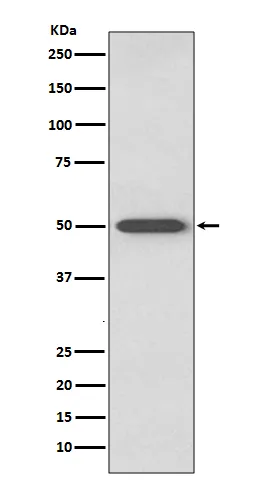
RAGE (1P3) Rabbit Monoclonal Antibody
AMRe16862-100μL · 100μL
Verified Partner
Sign in to see pricing and request a quote.
Brand Store Product
No external links. Get your quote directly here.

Description
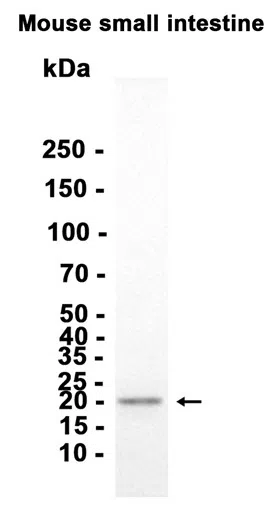
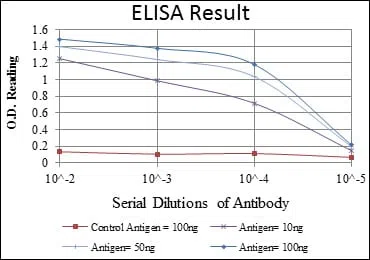
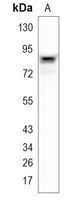
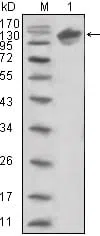
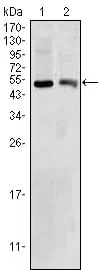
EnkiLife offers the RAGE (1P3) Rabbit Monoclonal Antibody. This antibody reacts with Human,Mouse,Rat species and is suitable for WB application. Alternative Names of Immunogen: Advanced glycosylation end product-specific receptor; Ager;. The product boasts remarkable high specificity, outstanding reproducibility, and exceptional affinity, making it a reliable and superior choice for your needs. Dilution Ratio: WB 1:1000-1:5000 Background: The receptor for advanced glycation end products (RAGE) is member of the immunoglobulin (Ig) superfamily. Mediates interactions of advanced glycosylation end products (AGE). Binding of AGEs to RAGE results in the induction of cellular oxidant stress and activation of the transcription factor NFkB. Evidence suggests that the induction of oxidant stress results in the activation of an intracellular cascade involving p21 ras and MAP kinase, which leads to activation of transcription. Mediates interactions of advanced glycosylation end products (AGE). These are nonenzymatically glycosylated proteins which accumulate in vascular tissue in aging and at an accelerated rate in diabetes. Acts as a mediator of both acute and chronic vascular inflammation in conditions such as atherosclerosis and in particular as a complication of diabetes. AGE/RAGE signaling plays an important role in regulating the production/expression of TNF-alpha, oxidative stress, and endothelial dysfunction in type 2 diabetes. Interaction with S100A12 on endothelium, mononuclear phagocytes, and lymphocytes triggers cellular activation, with generation of key proinflammatory mediators. Interaction with S100B after myocardial infarction may play a role in myocyte apoptosis by activating ERK1/2 and p53/TP53 signaling (By similarity). Receptor for amyloid beta peptide. Contributes to the translocation of amyloid-beta peptide (ABPP) across the cell membrane from the extracellular to the intracellular space in cortical neurons. ABPP-initiated RAGE signaling, especially stimulation of p38 mitogen- activated protein kinase (MAPK), has the capacity to drive a transport system delivering ABPP as a complex with RAGE to the intraneuronal space. Can also bind oligonucleotides.
More from EnkiLife