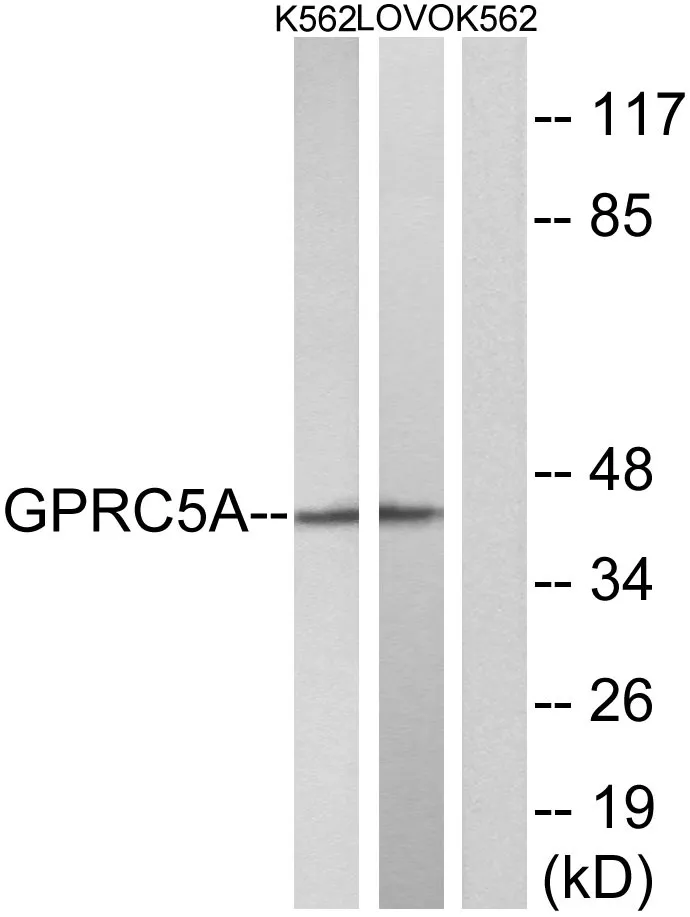
RAI3 Rabbit Polyclonal Antibody
APRab16866-100μL · 100μL
Verified Partner
Sign in to see pricing and request a quote.
Brand Store Product
No external links. Get your quote directly here.
Description
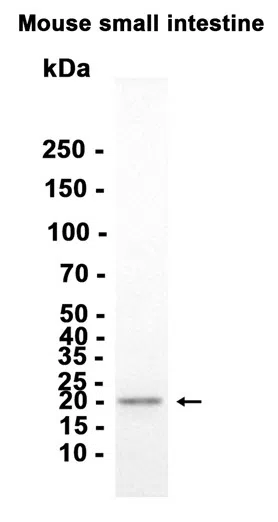
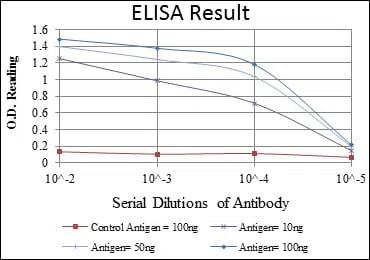
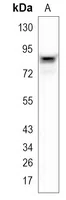
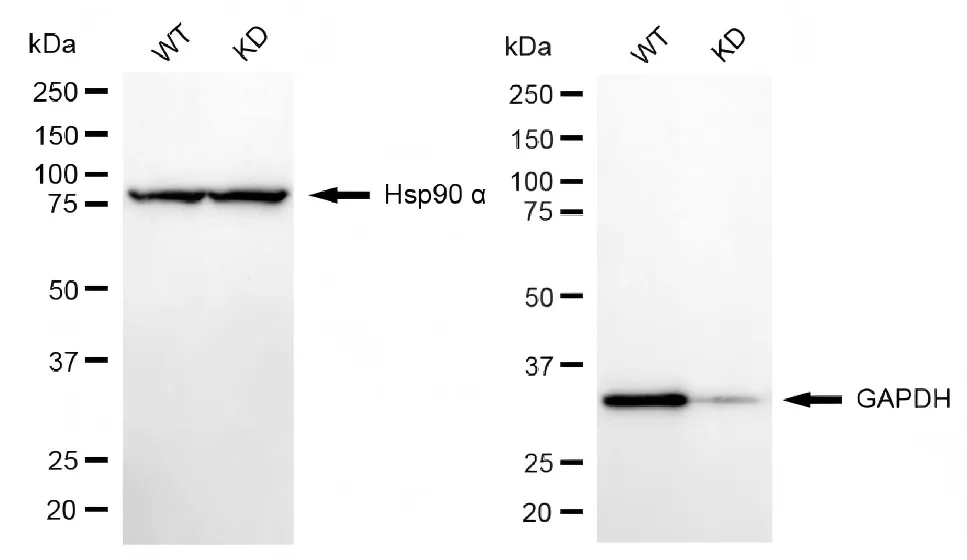
EnkiLife offers the RAI3 Rabbit Polyclonal Antibody. This antibody reacts with Human,Mouse,Rat species and is suitable for WB,ELISA application. Alternative Names of Immunogen: GPRC5A; GPCR5A; RAI3; RAIG1; Retinoic acid-induced protein 3; G-protein coupled receptor family C group 5 member A; Orphan G-protein-coupling receptor PEIG-1; Retinoic acid-induced gene 1 protein; RAIG-1. The product boasts remarkable high specificity, outstanding reproducibility, and exceptional affinity, making it a reliable and superior choice for your needs. Dilution Ratio: WB 1:500-1:2000,ELISA 1:5000-1:20000 Background: This gene encodes a member of the type 3 G protein-coupling receptor family, characterized by the signature 7-transmembrane domain motif. The encoded protein may be involved in interaction between retinoid acid and G protein signalling pathways. Retinoic acid plays a critical role in development, cellular growth, and differentiation. This gene may play a role in embryonic development and epithelial cell differentiation. [provided by RefSeq, Jul 2008],function:Unknown. This G-protein coupled receptor could be involved in modulating differentiation and maintaining homeostasis of epithelial cells. The comparable expression level in fetal lung and kidney with adult tissues suggests a possible role in embryonic development and maturation of these organs. This retinoic acid-inducible GPCR provide evidence for a possible interaction between retinoid and G-protein signaling pathways.,induction:By all-trans retinoic acid (ATRA).,similarity:Belongs to the G-protein coupled receptor 3 family.,subcellular location:Localized in the plasma membrane and perinuclear vesicles.,tissue specificity:Expressed at high level in fetal and adult lung tissues. Constitutively expressed in fetal kidney and adult placenta, kidney, prostate, testis, ovary, small intestine, colon, stomach, and spinal chord at low to moderate levels. Not detectable in fetal heart, brain, and liver and adult heart, brain, liver, skeletal muscle, pancreas, spleen, thymus, and peripheral leukocytes. According to PubMed:10783259: expressed at low but detectable level in pancreas and heart.,
More from EnkiLife