Recombinant Mouse PVR (C-mIgG2AFc)
PHM2271-500ug · 500ug
Verified Partner
Sign in to see pricing and request a quote.
Brand Store Product
No external links. Get your quote directly here.

Description
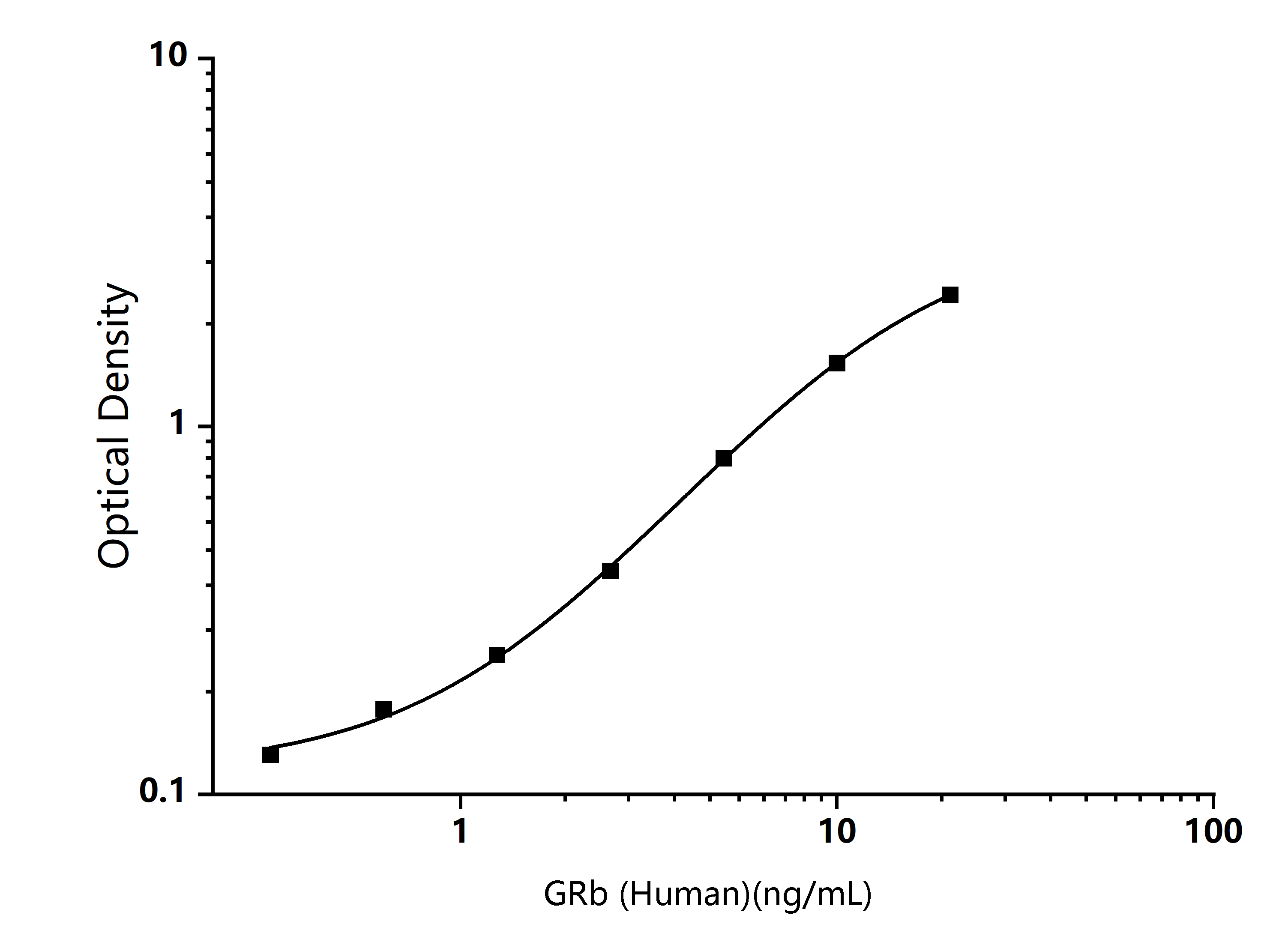
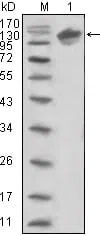
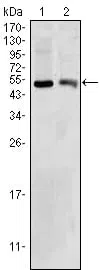
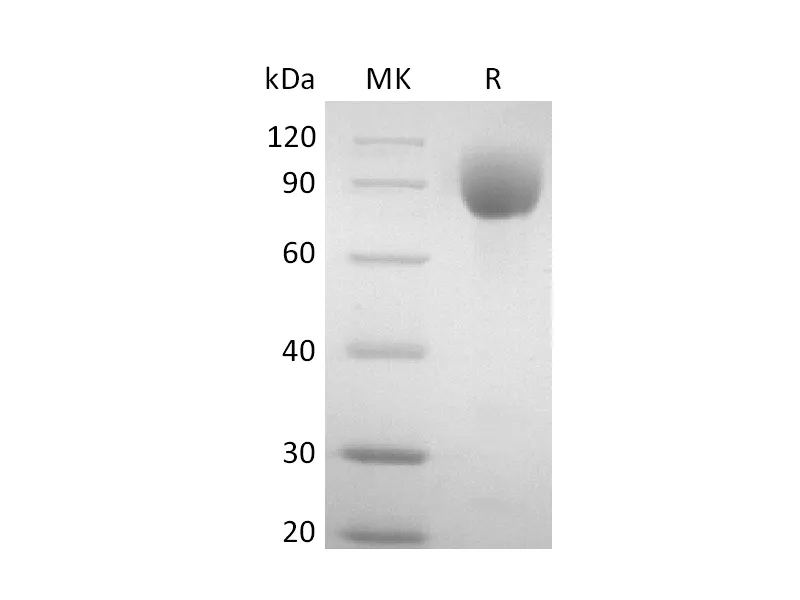
EnkiLife provides the Recombinant Mouse PVR (C-mIgG2AFc) protein,aslo know as Poliovirus receptor,CD155 antigen,Nectin-like protein 5,Nectin-2,Tage4 receptor,Pvr,PVR,Necl5,CD155, which features high purity, high activity, and high stability. It can be applied in scientific research, biopharmaceuticals, and other fields.Purity:Greater than 95% as determined by reducing SDS-PAGE;Endotoxin Level:<1 EU/µg as determined by LAL test.;Construction:Recombinant Mouse Poliovirus Receptor is produced by our Mammalian expression system and the target gene encoding Asp29-Leu348 is expressed with a mouse IgG2a Fc tag at the C-terminus.Accession:NP_081790. Expression Host:Human Cells.Species:Mouse.Predicted Molecular Mass:61.9 KDa. Background:Mouse poliovirus receptor (PVR, CD155) is a type I transmembrane (TM) glycoprotein that is a member of the nectin-related family of adhesion proteins within the immunoglobulin superfamily. It binds other molecules including vitronectin, Nectin3, DNAM1, CD96, and TIGIT, but does not bind homotypically. CD155 includes a 28 aa signal sequence, a 318 aa extracellular domain (ECD) with one N-terminal V-type and two C2-type Ig-like domains, a 24 aa TM segment and a 38 aa cytoplasmic tail. Epithelial, endothelial, and many immune cells show low CD155 expression. It is up-regulated on endothelia by IFNγ, and is highly expressed on immature thymocytes, lymph node dendritic cells, and tumor cells of epithelial and neuronal origin. On migrating cells, it is concentrated at the leading edge, where it binds basement membrane vitronectin, recruits Nectin-3-expressing cells, and cooperates with PDGF and integrin αvβ3 to promote cell migration. Binding of monocyte DNAM-1 to endothelial cell CD155 promotes transendothelial migration. Enhanced CD155 expression in tumor cells contributes to loss of contact inhibition and increased migration, but also allows tumor cell recognition and killing by DNAM-1or CD96 expressing NK cells.
More from EnkiLife