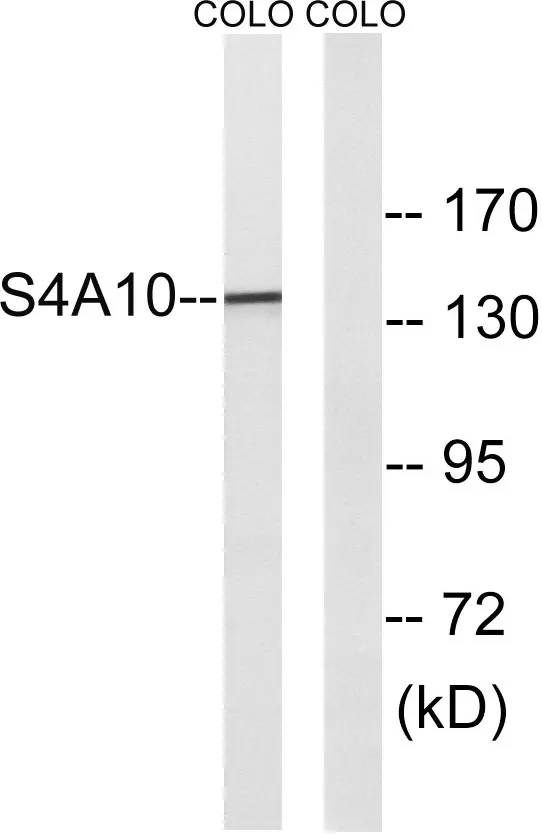
SLC4A8/10 Rabbit Polyclonal Antibody
APRab17959-20μL · 20μL
Verified Partner
Sign in to see pricing and request a quote.
Brand Store Product
No external links. Get your quote directly here.

Description
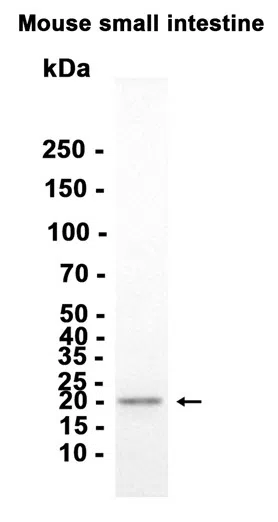
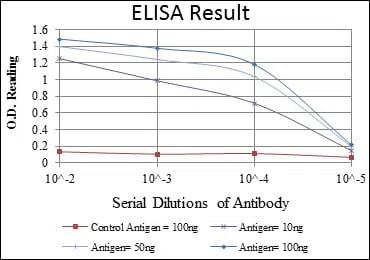
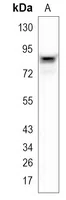
EnkiLife offers the SLC4A8/10 Rabbit Polyclonal Antibody. This antibody reacts with Human,Mouse,Rat species and is suitable for WB,IHC,ICC/IF,ELISA application. Alternative Names of Immunogen: SLC4A8; KIAA0739; NBC; NBC3; NDCBE1; Electroneutral sodium bicarbonate exchanger 1; Electroneutral Na(+)-driven Cl-HCO3 exchanger; Solute carrier family 4 member 8; k-NBC3; SLC4A10; NCBE; Sodium-driven chloride bicarbonate exchanger; Solute. The product boasts remarkable high specificity, outstanding reproducibility, and exceptional affinity, making it a reliable and superior choice for your needs. Dilution Ratio: WB 1:500-1:2000,IHC 1:100-1:300,ICC/IF 1:50-1:200,ELISA 1:20000-1:40000 Background: The protein encoded by this gene is a membrane protein that functions to transport sodium and bicarbonate ions across the cell membrane. The encoded protein is important for pH regulation in neurons. The activity of this protein can be inhibited by 4,4'-Di-isothiocyanatostilbene-2,2'-disulfonic acid (DIDS). Several transcript variants encoding different isoforms have been found for this gene. [provided by RefSeq, Apr 2012],function:Mediates electroneutral sodium- and carbonate-dependent choride-HCO3(-) exchange with a Na(+):HCO3(-) stoichiometry of 2:1. Plays a major role in pH regulation in neurons. May be involved in cell pH regulation by transporting HCO3(-) from blood to cell. Enhanced expression in severe acid stress could be important for cell survival by mediating the influx of HCO3(-) into the cells. Also mediates lithium-dependent HCO3(-) cotransport. May be regulated by osmolarity.,miscellaneous:Activity is inhibited by 4,4'-Di-isothiocyanatostilbene-2,2'-disulfonic acid (DIDS - an inhibitor of several anionic channels and transporters).,similarity:Belongs to the anion exchanger (TC 2.A.31) family.,tissue specificity:Expressed in the pyramidal cells of the hippocampus (at protein level). Highly expressed in all major regions of the brain, spinal column and in testis, and moderate levels in trachea, thyroid and medulla region of kidney. Low expression levels observed in pancreas and kidney cortex.,
More from EnkiLife