TTR(1D7)Mouse Monoclonal Antibody
AMM19411-100μL · 100μL
Verified Partner
Sign in to see pricing and request a quote.
Brand Store Product
No external links. Get your quote directly here.

Description
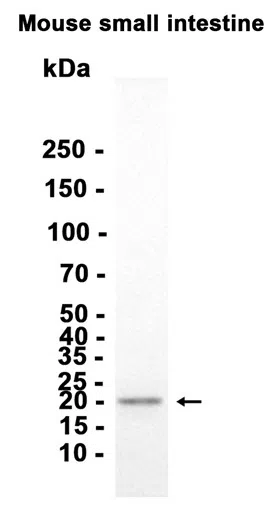
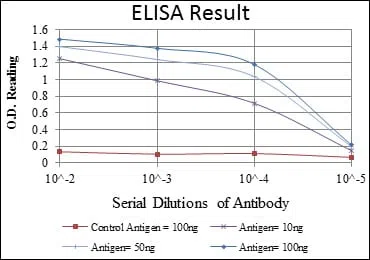
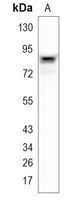
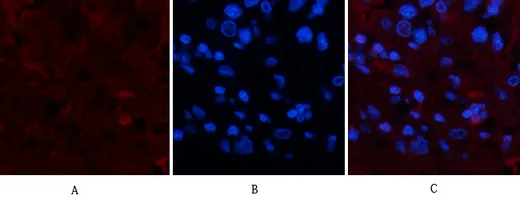
EnkiLife offers the TTR(1D7)Mouse Monoclonal Antibody. This antibody reacts with Human species and is suitable for WB,IHC,ICC/IF application. Alternative Names of Immunogen: Transthyretin (ATTR) (Prealbumin) (TBPA). The product boasts remarkable high specificity, outstanding reproducibility, and exceptional affinity, making it a reliable and superior choice for your needs. Dilution Ratio: WB 1:500-1:2000,IHC 1:50-1:300,ICC/IF 1:50-1:200 Background: This gene encodes transthyretin, one of the three prealbumins including alpha-1-antitrypsin, transthyretin and orosomucoid. Transthyretin is a carrier protein; it transports thyroid hormones in the plasma and cerebrospinal fluid, and also transports retinol (vitamin A) in the plasma. The protein consists of a tetramer of identical subunits. More than 80 different mutations in this gene have been reported; most mutations are related to amyloid deposition, affecting predominantly peripheral nerve and/or the heart, and a small portion of the gene mutations is non-amyloidogenic. The diseases caused by mutations include amyloidotic polyneuropathy, euthyroid hyperthyroxinaemia, amyloidotic vitreous opacities, cardiomyopathy, oculoleptomeningeal amyloidosis, meningocerebrovascular amyloidosis, carpal tunnel syndrome, etc. [provided by RefSeq, Jan 2009],disease:Defects in TTR are a cause of hyperthyroxinemia [MIM:176300].,disease:Defects in TTR are the cause of amyloidosis type 1 (AMYL1) [MIM:176300]. AMYL1 is a hereditary generalized amyloidosis due to transthyretin amyloid deposition. Protein fibrils can form in different tissues leading to amyloid polyneuropathies, amyloidotic cardiomyopathy, carpal tunnel syndrome, systemic senile amyloidosis.,disease:Defects in TTR are the cause of amyloidosis type 7 (AMYL7) [MIM:105210]; also known as leptomeningeal amyloidosis or meningocerebrovascular amyloidosis. AMYL7 is a form of hereditary transthyretin amyloidosis characterized by primary involvement of the central nervous system. Neuropathologic examination shows amyloid in the walls of leptomeningeal vessels, in pia arachnoid, and subpial deposits. Some patients also develop vitreous amyloid deposition that leads to visual impairment (oculoleptomeningeal amyloidosis). Clinical features include seizures, stroke-like episodes, dementia, psychomotor deterioration, variable amyloid deposition in the vitreous humor. Mild systemic amyloidosis may occurr.,domain:Each monomer has two 4-stranded beta sheets and the shape of a prolate ellipsoid. Antiparallel beta-sheet interactions link monomers into dimers. A short loop from each monomer forms the main dimer-dimer interaction. These two pairs of loops separate the opposed, convex beta-sheets of the dimers to form an internal channel.,function:Thyroid hormone-binding protein. Probably transports thyroxine from the bloodstream to the brain.,miscellaneous:About 40% of plasma transthyretin circulates in a tight protein-protein complex with the plasma retinol-binding protein (RBP). The formation of the complex with RBP stabilizes the binding of retinol to RBP and decreases the glomerular filtration and renal catabolism of the relatively small RBP molecule. There is evidence for 2 binding sites for RBP, one possibly being a region that includes Ile-104, located on the outer surface of the transthyretin molecule.,miscellaneous:Two binding sites for thyroxine are located in the channel. Less than 1% of plasma prealbumin molecules are normally involved in thyroxine transport. L-thyroxine binds to the transthyretin by an order of magnitude stronger than does the triiodo-L-thyronine. Thyroxine-binding globulin is the major carrier protein for thyroid hormones in man.,online information:Transthyretin entry,similarity:Belongs to the transthyretin family.,subunit:Homotetramer.,tissue specificity:Most abundant in the choroid plexus. Also present in the liver.,
More from EnkiLife