
UBE3A (15N18) Rabbit Monoclonal Antibody
AMRe19533-100μL · 100μL
Verified Partner
Sign in to see pricing and request a quote.
Brand Store Product
No external links. Get your quote directly here.
Description
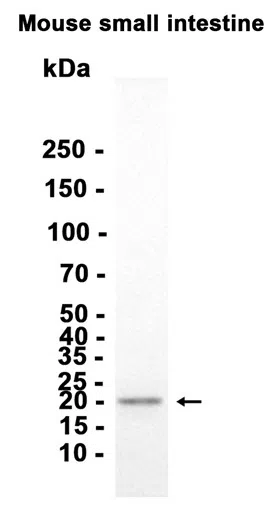
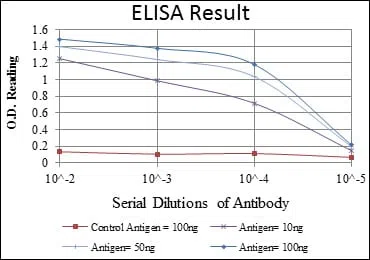
EnkiLife offers the UBE3A (15N18) Rabbit Monoclonal Antibody. This antibody reacts with Human,Mouse,Rat species and is suitable for WB application. Alternative Names of Immunogen: Ubiquitin-protein ligase E3A; UBE3A; E6AP; EPVE6AP; HPVE6A;. The product boasts remarkable high specificity, outstanding reproducibility, and exceptional affinity, making it a reliable and superior choice for your needs. Dilution Ratio: WB 1:1000-1:5000 Background: E3 ubiquitin-protein ligase which accepts ubiquitin from an E2 ubiquitin-conjugating enzyme in the form of a thioester and transfers it to its substrates. Several substrates have been identified including the RAD23A and RAD23B, MCM7 (which is involved in DNA replication), annexin A1, the PML tumor suppressor, and the cell cycle regulator CDKN1B. E3 ubiquitin-protein ligase which accepts ubiquitin from an E2 ubiquitin-conjugating enzyme in the form of a thioester and transfers it to its substrates (PubMed:10373495, PubMed:16772533, PubMed:19204938, PubMed:19233847, PubMed:19325566, PubMed:19591933, PubMed:22645313, PubMed:24273172, PubMed:24728990). Several substrates have been identified including the ARNTL/BMAL1, ARC, RAD23A and RAD23B, MCM7 (which is involved in DNA replication), annexin A1, the PML tumor suppressor, and the cell cycle regulator CDKN1B (PubMed:10373495, PubMed:19204938, PubMed:19325566, PubMed:19591933, PubMed:22645313, PubMed:24728990). Additionally, may function as a cellular quality control ubiquitin ligase by helping the degradation of the cytoplasmic misfolded proteins (PubMed:19233847). Finally, UBE3A also promotes its own degradation in vivo. Plays an important role in the regulation of the circadian clock: involved in the ubiquitination of the core clock component ARNTL/BMAL1, leading to its proteasomal degradation (PubMed:24728990). Acts as transcriptional coactivator of progesterone receptor PGR upon progesterone hormone activation (PubMed:16772533). Acts as a regulator of synaptic development by mediating ubiquitination and degradation of ARC (By similarity). Synergizes with WBP2 in enhancing PGR activity (PubMed:16772533).
More from EnkiLife